
Wellington Matariki 2026: Māori New Year Waterfront Festival, Astronomy Events & Luxury Hotel Packages
Wellington prepares for Matariki 2026 on July 10 with a four-day waterfront festival, planetarium star talks, and luxury hotel packages celebrating the Māori New Year.

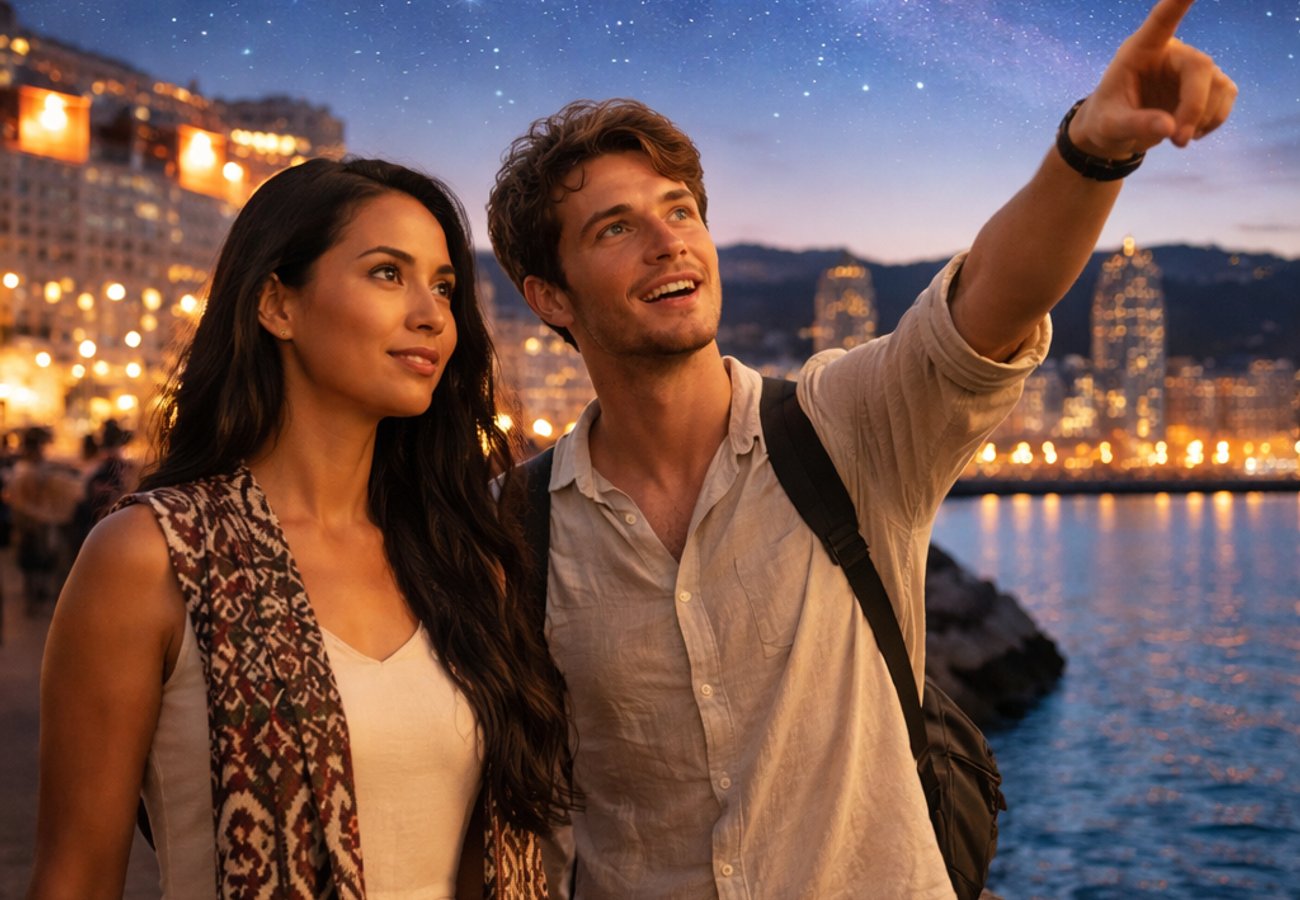
Image generated by AI
Wellington is positioning itself as the country's premier destination for marking Matariki, the Māori New Year, when the official public holiday falls on Friday, 10 July 2026. A four-day waterfront festival, planetarium-based astronomy sessions, and themed luxury accommodation packages form the backbone of a programme that blends indigenous cultural practice with contemporary tourism offerings.
The capital's approach reflects how Matariki has evolved since becoming New Zealand's first public holiday honouring Māori culture in 2022. What was once a locally observed tradition has grown into a nationally coordinated celebration that cities now compete to host — and Wellington has built a formula that pairs free public events with premium hospitality, drawing both domestic travellers and international visitors into the winter season.
A Holiday Governed by the Stars
Matariki is observed according to the Māori lunar calendar, triggered by the pre-dawn reappearance of the Matariki star cluster — known in Western astronomy as the Pleiades. In regions where that cluster is harder to see, the rising of Puanga (Rigel) serves as the alternative marker, a distinction that several iwi have maintained for generations.
The celestial timing means the holiday date shifts each year but always lands on a Friday. In 2026, that date is 10 July. The celebration carries four layered purposes: remembrance of those who have passed, gratitude for the present, renewal, and planning for the year ahead. The brightness and visibility of the stars have historically functioned as an environmental indicator, used to read harvest prospects and seasonal conditions.
Matariki Ahi Kā Transforms the Waterfront
The centrepiece of Wellington's programme is Matariki Ahi Kā, a free waterfront celebration running from 9 to 12 July at Odlin's Plaza. Each evening from 6 p.m., the venue shifts into an immersive environment built around fire installations, large-scale light projections, live cultural performance, and storytelling rooted in Māori heritage.
Food stalls serving local cuisine operate alongside ceremonies that honour loved ones who have died — a practice central to Matariki's remembrance theme. Organisers have structured the event to be family-friendly, with the explicit aim of creating a space where residents and visitors can gather to reflect on the past, acknowledge the present, and look toward the future together.
The design pairs traditional ritual with contemporary artistic execution. Rather than staging a static cultural display, the festival uses the waterfront's open space as a canvas, turning a functional harbour precinct into a temporary cultural hub for four consecutive evenings.
Museums and Planetarium Sessions Deepen Understanding
Wellington's cultural institutions are running complementary programming that explains the science and indigenous knowledge behind Matariki. Space Place is hosting Matariki Star Talks — interactive planetarium presentations that detail how Māori traditionally used stellar navigation for wayfinding, seasonal planning, and ceremony.
A dedicated programme called Matariki Together is designed for shared participation, encouraging visitors to engage with the narratives attached to specific stars while learning Māori astronomical perspectives. The sessions also address the role of Puanga, giving visitors context on why different iwi mark the new year through different celestial markers depending on regional visibility.
This museum layer matters because it moves Matariki beyond spectacle into education. Visitors who attend the waterfront festival and then visit Space Place leave with both the experiential and explanatory dimensions of the celebration — an integration that few destinations offer at this scale.
Luxury Hotels Build Themed Packages Around the Holiday
Wellington's hospitality sector has moved to capture the long-weekend travel demand with Matariki-inspired accommodation packages. Premium hotels are bundling overnight stays with curated dining, seasonal menus featuring Māori-inspired cuisine, and locally crafted cocktails — all positioned with convenient access to the waterfront festivities.
The strategy targets two audiences simultaneously. Domestic travellers from across New Zealand are using the public holiday as a reason to take a winter city break. International visitors, meanwhile, gain a structured way to experience indigenous culture through accommodation that is already integrated with the celebration's geographic footprint.
Tourism operators are forecasting increased visitor numbers across the long weekend. The combination of free public programming, ticketed museum experiences, and premium lodging gives Wellington a multi-tiered offering that can absorb different traveller budgets without diluting the cultural focus.
National Recognition Has Grown Steadily Since 2022
Since Matariki became a statutory public holiday in 2022, it has developed into one of New Zealand's most identifiable national celebrations. Cities and towns across the country now organise dawn ceremonies, cultural performances, educational workshops, and community gatherings that reflect local iwi traditions.
Wellington has emerged as a leading host city, with its waterfront events consistently drawing thousands of attendees. Government and cultural leaders have framed the holiday as one that belongs to all New Zealanders — inviting participation from communities of every background while maintaining respect for Māori customs and knowledge systems.
Officials also use the annual observance to surface broader conversations about environmental stewardship, cultural identity, and community wellbeing. Those values sit at the centre of Matariki's meaning, and the public holiday format has given them a fixed national platform.
Wellington Matariki 2026 Event Programme
| Event / Experience | Dates | Venue | Format | Key Features |
|---|---|---|---|---|
| Matariki Ahi Kā | 9–12 July 2026 | Odlin's Plaza, Wellington Waterfront | Free, evening sessions from 6 p.m. | Fire installations, light projections, live cultural performance, storytelling, food stalls, remembrance ceremonies |
| Matariki Star Talks | Around public holiday period | Space Place, Wellington | Planetarium presentations | Interactive sessions on Māori astronomy, stellar navigation, seasonal planning |
| Matariki Together | Around public holiday period | Space Place, Wellington | Family-friendly programme | Shared participation in star narratives, Māori astronomical perspectives |
| Puanga Exhibitions | Around public holiday period | Museums across Wellington | Guided experiences and displays | Focus on Puanga (Rigel) as alternative New Year marker for certain iwi |
| Matariki Luxury Hotel Packages | Long weekend (10–12 July 2026) | Participating premium hotels, Wellington | Themed accommodation and dining | Overnight stays, Māori-inspired cuisine, locally crafted cocktails, festival access |
| Official Public Holiday | Friday, 10 July 2026 | Nationwide | Statutory holiday | First New Zealand public holiday celebrating Māori culture (established 2022) |
Key Takeaways
- Matariki 2026 falls on Friday, 10 July, governed by the Māori lunar calendar and the reappearance of the Pleiades star cluster.
- Wellington's headline event, Matariki Ahi Kā, runs 9–12 July at Odlin's Plaza with free evening programming from 6 p.m.
- Space Place is offering planetarium-based star talks and family sessions that explain both Matariki and Puanga astronomical traditions.
- Premium hotels are packaging stays with Māori-inspired dining and festival access, targeting domestic and international winter travellers.
- Matariki has grown into a nationally significant celebration since becoming a public holiday in 2022, with Wellington positioned as a leading host city.
FAQ
What date is Matariki 2026 in New Zealand? The official public holiday falls on Friday, 10 July 2026. The date changes each year because it follows the Māori stellar-lunar calendar, but it is always observed on a Friday.
Where is the main Matariki festival in Wellington? The primary event is Matariki Ahi Kā at Odlin's Plaza on the Wellington Waterfront, running from 9 to 12 July with evening sessions starting at 6 p.m. Entry is free.
What is the difference between Matariki and Puanga? Matariki is marked by the rising of the Pleiades star cluster. Puanga refers to the star Rigel, which some iwi use as the New Year marker in regions where the Matariki cluster is less visible.
Is Matariki a public holiday for all New Zealanders? Yes. Matariki became a statutory public holiday in 2022, making it the first national holiday in New Zealand dedicated to celebrating Māori culture and traditions.
Are the Wellington Matariki events suitable for families? Yes. The waterfront festival, planetarium sessions, and museum programmes are all designed to be family-friendly, with interactive activities and shared experiences for all ages.
Wellington's 2026 Matariki programme shows how a culturally rooted observance can scale into a destination-defining event without losing its meaning.
Related Travel Guides
Disclaimer
This article is for informational and educational purposes only. It does not constitute legal, financial, or professional advice. While we strive to provide accurate and up-to-date information, travel policies, regulations, and conditions change rapidly. Always verify information with official sources before making travel decisions. Nomad Lawyer makes no representations about the accuracy, reliability, completeness, or suitability of the information provided. Readers should consult qualified professionals for advice specific to their circumstances. The views expressed in this article are those of the author and do not necessarily reflect the views of Nomad Lawyer.
Preeti Gunjan
Contributor & Community Manager
A passionate traveller and community builder. Preeti helps grow the Nomad Lawyer community, fostering engagement and bringing the reader experience to life.
Learn more about our team →