
Washington D.C. Airspace Complete Shutdown July 4 2026: Reagan National Airport Halts All Flights for America 250
The FAA announces a historic airspace closure over Washington D.C. on July 4, 2026, suspending all flights at Reagan National Airport during Independence Day and America 250 celebrations.

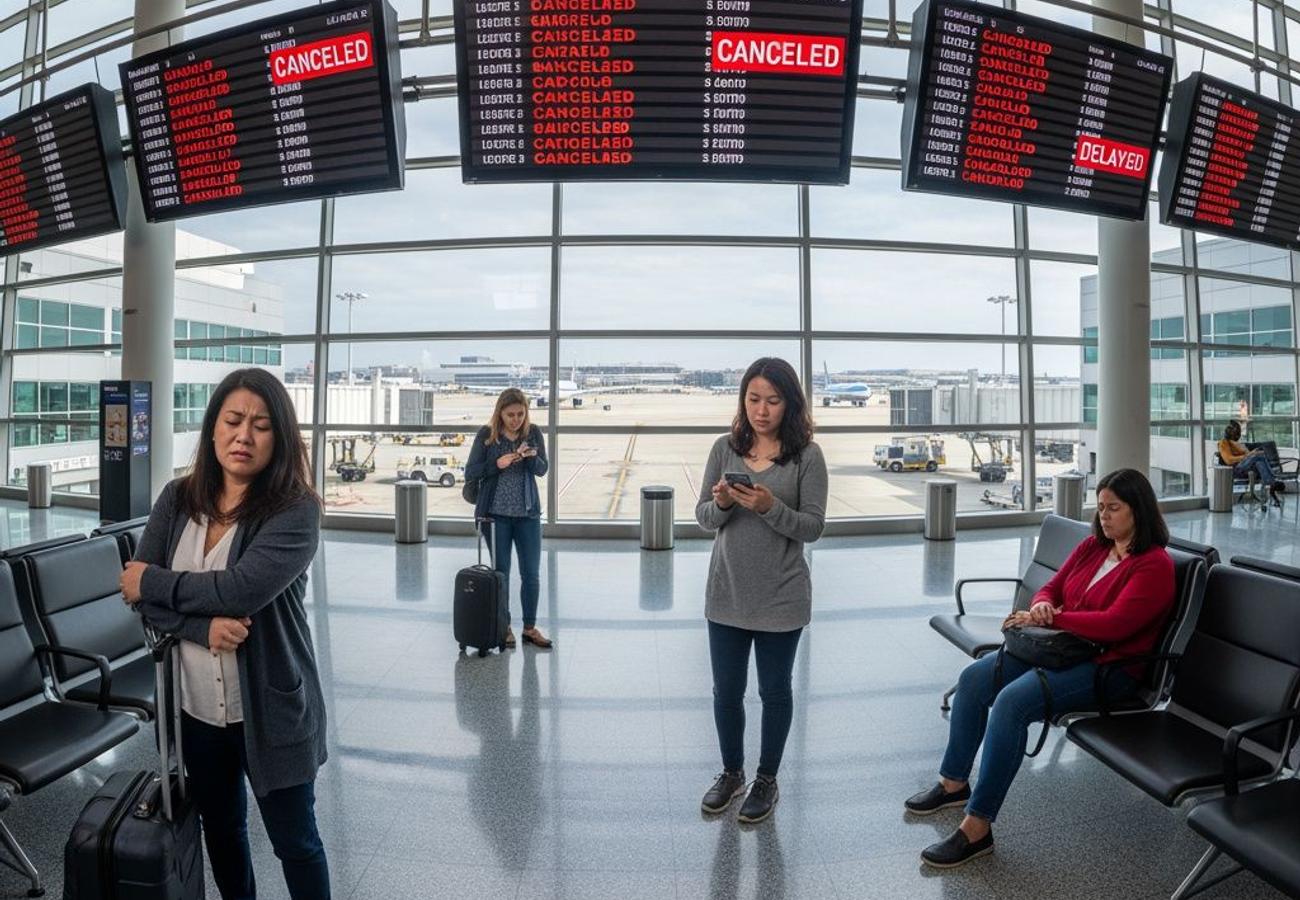
Image generated by AI
The Historic July 4 Airspace Lockdown is Coming to Washington D.C.
On July 4, 2026, the skies above the nation's capital will go dark. The Federal Aviation Administration (FAA) has announced a sweeping airspace closure over Washington D.C., resulting in a complete suspension of all flight operations at Ronald Reagan Washington National Airport (DCA) during peak Independence Day festivities and America 250 semiquincentennial celebrations.
This isn't a routine holiday procedure. The scale and duration of these Temporary Flight Restrictions (TFRs) exceed standard year-end holiday protocols, marking one of the most comprehensive airspace shutdowns the region has experienced in recent memory.
What Are Temporary Flight Restrictions and Why Are They Being Imposed?
Temporary Flight Restrictions are FAA-authorized regulatory actions that establish controlled zones where aircraft operations are severely limited or entirely suspended during specific periods. Think of them as no-fly zones created for safety and security.
The FAA deploys TFRs for natural disasters, major sporting events, VIP movements, wildfire responses, and security-sensitive occasions. In this case, the restrictions align with planned military flyovers, massive public gatherings, and enhanced security postures surrounding federal landmarks hosting large assemblies.
Reddit: "I was supposed to fly out of DCA on July 4. Just changed my trip to July 5. Not worth the hassle." — r/travel
The controlled airspace surrounding Washington D.C. is already among the most restrictive in the nation. Since the early 2000s, DCA has operated within a Special Flight Rules Area and Flight Restricted Zone designed to protect government institutions, military installations, and critical national infrastructure.
The July 4 TFRs dramatically tighten these existing constraints.
Timeline: What Travelers Need to Know
Flight operations at Reagan National Airport will remain normal through the morning of July 4, 2026. The TFR window opens midday and extends through much of the afternoon, during which zero departures or arrivals are authorized at DCA.
Airlines have already begun adjusting flight schedules. The FAA has coordinated with air carriers to minimize passenger disruption, but changes are inevitable.
Key travel dates:
- July 3: Normal operations at DCA
- July 4 (midday-afternoon): Complete flight suspension
- July 5: Normal operations resume
Passengers should verify all itineraries directly with their airlines immediately. Don't assume your July 4 flight is proceeding as scheduled.
The Exception: Military and Preapproved Aircraft Only
Not every aircraft will be grounded. Authorized flights under the TFR may include military aircraft operating under specific security protocols and flights with preapproved coordination through FAA and Department of Homeland Security channels.
Commercial passenger flights, however, remain completely prohibited during the active TFR window. General aviation is also suspended unless otherwise coordinated by aviation authorities. This isn't a gray area—the restrictions are categorical.
Your Alternative: Nearby Airports Outside the Restricted Zone
Travelers with flexibility should consider flying into or out of airports beyond the immediate restricted airspace. Two major hubs remain fully operational:
- Washington Dulles International Airport (IAD) — approximately 26 miles west
- Baltimore/Washington International Thurgood Marshall Airport (BWI) — approximately 30 miles northeast
These facilities operate outside the comprehensive flight suspension zone and are expected to maintain normal operational status throughout the holiday period. Many travelers opt for ground transportation (rental cars, shuttles, or trains) between these airports and downtown Washington, D.C., rather than risk schedule chaos at DCA.
The MARC commuter rail and Amtrak Northeast Regional both provide connections from BWI to Union Station, cutting through the travel uncertainty entirely.
How the FAA Communicates TFR Information to Pilots
The FAA doesn't keep these restrictions secret. TFR notices are disseminated through Notices to Air Missions (NOTAMs) that list exact coordinates, altitudes, and active timeframes. Pilots are legally required to check NOTAMs before every flight to ensure compliance.
The Washington Air Route Traffic Control Center and the FAA's security partners coordinate enforcement across multiple agencies, including the Department of Homeland Security. The goal is simple: create a safe environment for military flyovers, public gatherings, and enhanced security operations.
For real-time TFR information, pilots access the FAA's official TFR search tool, which displays all active restrictions nationwide.
National Security Coordination at Scale
The comprehensive restrictions underscore federal commitment to balancing national celebration with robust protective measures. Large-scale public events in sensitive locations demand coordinated security protocols across multiple agencies.
Airspace restrictions serve dual purposes: they facilitate authorized aerial displays without interference from commercial traffic and mitigate risks from unauthorized aircraft. The July 4 closure reflects the scale of America 250 commemorations—a national event, not a routine holiday.
Federal agencies have been planning this coordination for months. The timing, boundaries, and enforcement measures have been carefully calibrated.
What Passengers Should Do Right Now
Immediate action items:
- Check your airline's website for schedule changes affecting July 4 flights at DCA
- Contact your airline directly if you're booked on July 4
- Consider rebooking for July 3 or 5 if your travel is flexible
- Explore alternative airports (IAD or BWI) with ground transportation factored in
- Monitor the FAA's official advisories as July 4 approaches
Airline notices and official aviation advisories provide the most accurate, up-to-date information regarding TFR-related operational changes. Don't rely on third-party travel sites—go straight to your carrier or the FAA.
Passengers with confirmed flights on July 3 or July 5 can proceed as planned, subject to normal airline and airport procedures. But July 4 at DCA is a different story. Plan ahead, verify early, and consider your alternatives.
The skies over Washington D.C. will be locked down for a reason. Make sure your travel plans don't get caught in the closure.
The intersection of national celebration and aviation security demands passenger awareness—plan your Independence Day travel now.
Related Travel Guides
Disclaimer
This article is for informational and educational purposes only. It does not constitute legal, financial, or professional advice. While we strive to provide accurate and up-to-date information, travel policies, regulations, and conditions change rapidly. Always verify information with official sources before making travel decisions. Nomad Lawyer makes no representations about the accuracy, reliability, completeness, or suitability of the information provided. Readers should consult qualified professionals for advice specific to their circumstances. The views expressed in this article are those of the author and do not necessarily reflect the views of Nomad Lawyer.
Raushan Kumar
Founder & Lead Developer
Full-stack developer with 11+ years of experience and a passionate traveller. Raushan built Nomad Lawyer from the ground up with a vision to create the best travel and law experience on the web.
Learn more about our team →