
Virginia Leads US Data Center Boom as Wyoming and Iowa Surge in Infrastructure Density 2026
Virginia maintains its status as the US data center capital, but population-adjusted data reveals Wyoming and Iowa as unexpected leaders in digital infrastructure density.

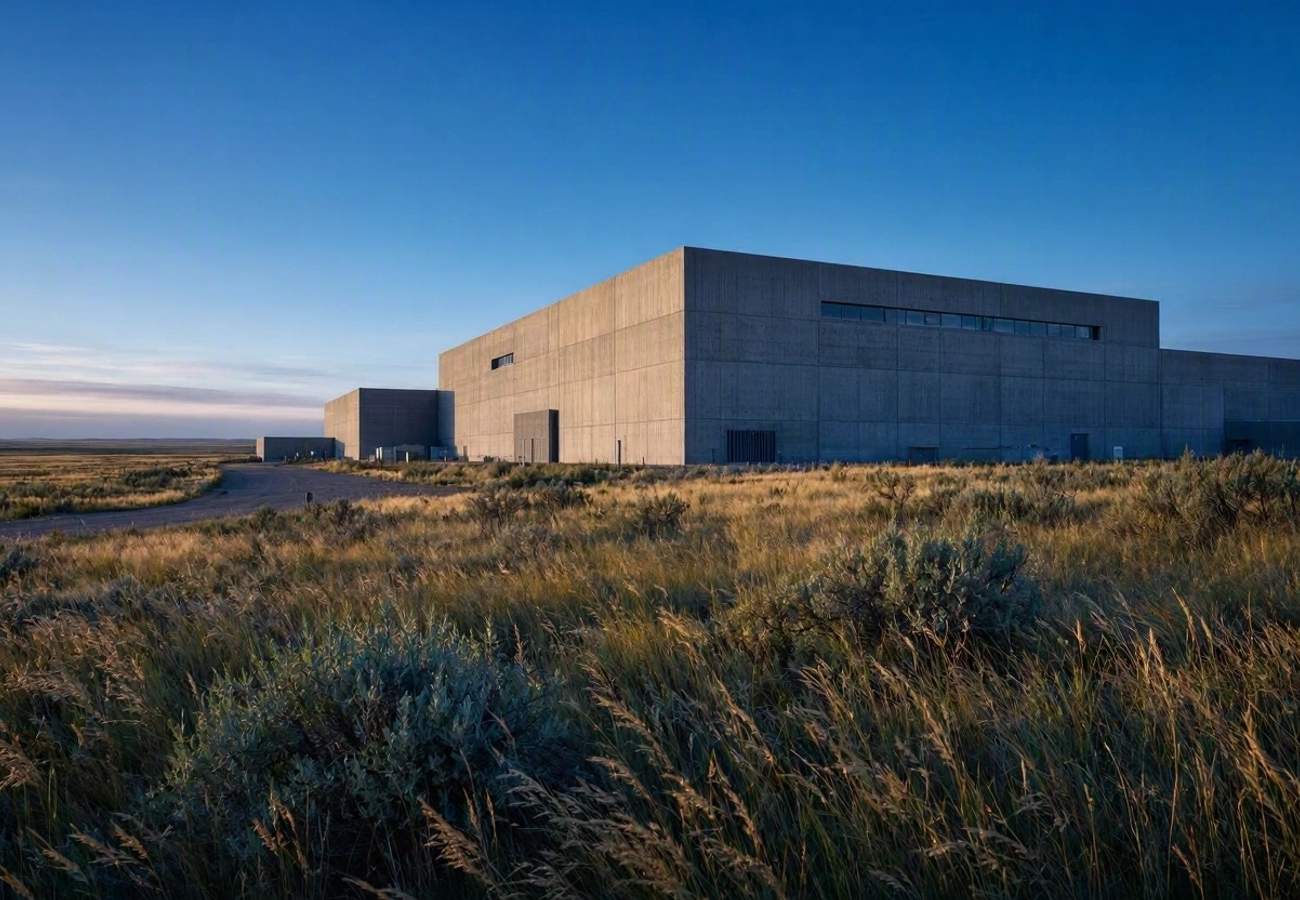
Image generated by AI
[Virginia, October 25, 2026] — Virginia has secured its position as the primary hub for United States data center infrastructure, though new population-adjusted metrics reveal a surprising surge in digital density across Wyoming and Iowa. While traditional tech hubs continue to grow, the geographical distribution of the American digital economy is shifting toward rural states that offer strategic advantages in land and energy.
Analysis conducted by Jones & Swanson, utilizing data from Data Center Map, confirms Virginia as the national leader with 674 listed facilities. However, the report highlights a critical divergence between total facility counts and "density"—the number of centers relative to the resident population. This metric elevates smaller states, suggesting that the backbone of the US cloud and AI infrastructure is becoming increasingly decentralized.
The Shift to Rural Digital Hubs
The expansion is no longer confined to coastal metropolitan areas. According to research released by the Pew Research Center in April 2026, 67% of all planned data centers in the US are slated for rural locations. More strikingly, 39% of these planned facilities are designated for counties that currently possess zero data center infrastructure.
This migration is driven by the immense power and cooling requirements of artificial intelligence and cloud computing. As urban grids reach capacity, developers are moving toward regions with available land and untapped energy resources. This shift is placing unprecedented pressure on regional power grids, with the U.S. Energy Information Administration (EIA) reporting new summer peak electricity demand levels across the PJM, ERCOT, and Southwest Power Pool regions as of October 15, 2026.
US Data Center Density and Volume Rankings 2026
The following data illustrates the gap between total facility volume and population-adjusted density, highlighting the emergence of "surprise" leaders in the digital space.
| Rank | State | Listed Facilities | Facilities per 100k Residents |
|---|---|---|---|
| 1 | Virginia | 674 | 7.59 |
| 2 | Wyoming | 31 | 5.27 |
| 3 | Iowa | 116 | 3.58 |
| 4 | Oregon | 135 | 3.16 |
| 5 | North Dakota | 23 | 2.88 |
In contrast, heavyweights like Texas and California show a significant drop-off when adjusted for population. Texas, despite having 537 facilities (the second-highest total), ranks 15th in density with only 1.69 facilities per 100,000 residents. California, ranking third in total volume with 296 facilities, plummets to 40th place in population-adjusted density.
What This Means for Travelers
The "Data Center Boom" is not merely a tech story; it is a catalyst for regional economic shifts that directly impact business travel, hospitality, and local logistics.
1. Surge in Specialized Business Travel The construction of these facilities requires a massive influx of specialized engineers, technicians, and consultants. Rural towns in Wyoming and Iowa are seeing a spike in demand for mid-to-long-term corporate housing and boutique hotel stays.
2. Hospitality Pressure in Rural Zones Counties previously ignored by major hotel chains are now becoming hotspots. Travelers should expect limited availability and higher rates in rural "tech corridors" during peak construction phases.
3. Infrastructure Strain The massive electricity requirements of these centers can lead to localized grid instability. Travelers utilizing electric vehicles (EVs) in these emerging hubs may find charging infrastructure lagging behind the rapid pace of industrial development.
Capacity Trends and Grid Challenges
While facility counts provide a snapshot of distribution, operating capacity reveals the true scale of the industry. Data from CBRE indicates that Northern Virginia remains the global heavyweight, recording 4,496.5 megawatts of operating capacity in the first half of 2026. For comparison, Atlanta recorded 1,803.2 megawatts.
However, the industry is facing a supply crunch. Vacancy rates across eight primary US markets have dropped to 1.4%, signaling that existing capacity is almost entirely exhausted. This scarcity is accelerating the push into the rural markets mentioned above. Total operating inventory across these primary markets hit 10,903 megawatts by mid-2026, an annual growth rate of 33.7%.
FAQ: US Data Center Expansion 2026
Why are data centers moving to states like Wyoming and Iowa? These states offer vast tracts of available land and, more importantly, access to energy sources and cooling environments that are more sustainable or affordable than those found in saturated markets like Northern Virginia or Silicon Valley.
How does this affect local hotel and rental prices? The influx of construction crews and tech consultants creates a "bubble" of demand in rural areas. This often leads to temporary price hikes for hotels and short-term rentals (Airbnbs) in counties where these facilities are being built.
Is the increase in data centers causing power outages for residents? While the U.S. Energy Information Administration (EIA) noted record peak demands, these are largely attributed to extreme summer heat. However, the long-term integration of massive data centers requires significant grid upgrades to prevent instability.
What is the difference between "listed facilities" and "density"? Listed facilities is the raw count of data centers in a state. Density is that number divided by the population (per 100,000 people), showing how concentrated the infrastructure is relative to the local population.
The digital map of America is being redrawn, one server farm at a time.
Related Travel Guides
Disclaimer
This article is for informational and educational purposes only. It does not constitute legal, financial, or professional advice. While we strive to provide accurate and up-to-date information, travel policies, regulations, and conditions change rapidly. Always verify information with official sources before making travel decisions. Nomad Lawyer makes no representations about the accuracy, reliability, completeness, or suitability of the information provided. Readers should consult qualified professionals for advice specific to their circumstances. The views expressed in this article are those of the author and do not necessarily reflect the views of Nomad Lawyer.
Preeti Gunjan
Contributor & Community Manager
A passionate traveller and community builder. Preeti helps grow the Nomad Lawyer community, fostering engagement and bringing the reader experience to life.
Learn more about our team →