
Virgin Australia's H2 2026 Network Overhaul: International Comeback, Canberra First, and Domestic Cuts Reshape Routes
Virgin Australia executes massive network restructuring in second half 2026, restoring long-haul services via Qatar Airways partnership while suspending regional routes and launching historic Canberra international service.

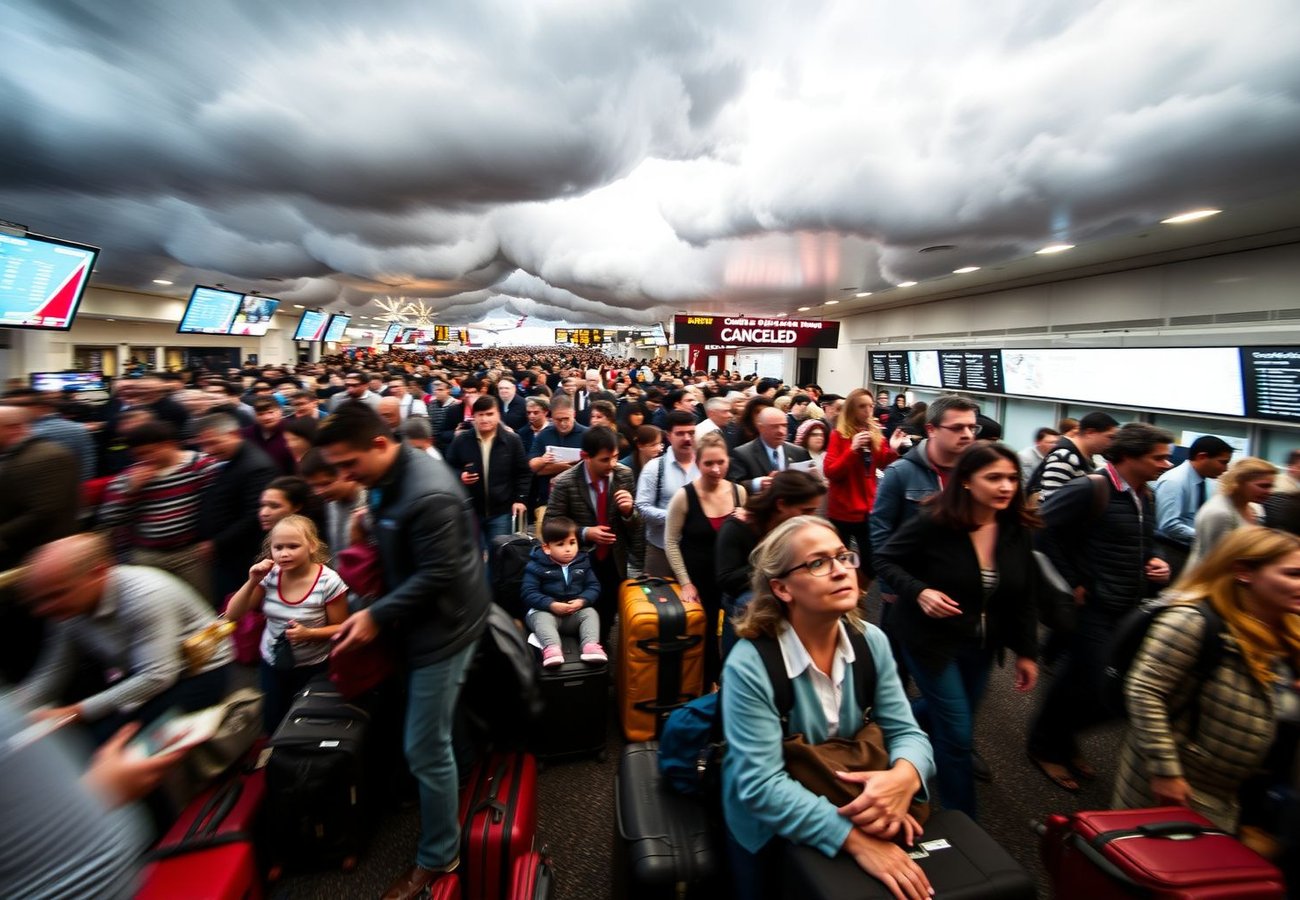
Image generated by AI
International Long-Haul Returns Through Qatar Airways Partnership
Virgin Australia is executing one of its boldest network reshuffles in years, with the second half of 2026 marking a definitive return to long-haul international operations after a prolonged absence from that market segment.
The airline has inked a commercial partnership with Qatar Airways to restore daily long-haul services from Sydney beginning 15 June 2026, continuing through the remainder of the year. These flights operate using Qatar Airways Boeing 777-300ER aircraft with Qatar Airways flight crews, giving Virgin Australia passengers seamless access to the Middle Eastern carrier's extensive global network.
Melbourne followed suit on the same date, with daily services also extended throughout the winter operating season. Both routes feature access to Qatar Airways' Qsuite Business Class cabins, positioning Virgin Australia as a gateway to Europe, the Middle East, Africa, and Asia for Australian travelers seeking premium long-haul connectivity.
The arrangement represents a strategic pivot: rather than investing in owned aircraft and crews for long-haul operations, Virgin Australia has chosen partnership-based capacity expansion. This approach accelerates network recovery while minimizing capital expenditure during a period of broader industry volatility.
Perth's Delayed International Return
Not all major gateways have recovered at the same pace.
Perth remains in holding pattern territory. Routes from Western Australia's largest city remain temporarily suspended following airspace disruptions earlier in 2026. The airline now projects earliest resumption on 15 September 2026—a three-month delay from the original timeline.
Despite the postponement, Perth retains strategic importance in Virgin Australia's broader international architecture. Preparations for route reinstatement continue as operational and airspace conditions normalize.
Canberra Makes Historic International Breakthrough
Here's the headline that surprised the market: Virgin Australia launched its first-ever international service from Canberra on 22 June 2026.
This represents a watershed moment for the Australian Capital Territory, which had never operated direct international flights under the Virgin Australia brand. The service operates three times weekly using a Boeing 737-800 and has been deliberately woven into the airline's holiday package strategy.
Between August and December 2026, promotional campaigns will intensify around this route, reflecting considerable confidence in tourism potential. Canberra-based travelers can now access international destinations without mandatory connections through Sydney or Melbourne—a significant convenience factor that could reshape regional travel patterns.
Reddit: "Finally! Canberra getting direct international flights means we don't need to sit in Sydney airport for six hours anymore." — r/AustralianAviation
Holiday Capacity Explosions Across Multiple Gateways
Alongside international recovery, Virgin Australia has weaponized its fleet for leisure demand.
Sydney receives two dedicated holiday-focused expansion windows: 18 August to 8 September 2026 and a longer 3 November to 9 December 2026 block. These periods feature elevated frequencies and additional seat capacity targeting tropical and leisure destinations.
Brisbane gets its dedicated push from 3 November to 1 December 2026, while Melbourne operates expanded holiday service from 2 to 15 September 2026 and again from 11 November to 8 December 2026.
Coolangatta, the gateway to Gold Coast leisure travel, receives two separate capacity surges: 17 August to 15 September 2026 and 19 October to 7 December 2026. The destination's dominance in the Australian leisure market has cemented its priority status within Virgin Australia's holiday strategy.
These aren't modest increases. They represent deliberate fleet reallocation to capture seasonal demand spikes when Australian travelers target warm-weather, tropical, and international beach destinations.
The Painful Pruning: Which Routes Are Getting Cut
Growth requires sacrifice, and Virgin Australia is making difficult decisions about underperforming routes.
The Brisbane to Apia, Samoa service faces indefinite suspension beginning 25 August 2026. This move signals a strategic retreat from Pacific island connectivity—a significant adjustment given the route's leisure appeal and historical importance to Virgin Australia's network.
Ayers Rock (Uluru) services are being eliminated entirely. Brisbane to Ayers Rock flights suspend 24 October 2026, while Melbourne to Ayers Rock services cease 25 October 2026. The airline has determined that domestic remote-destination traffic doesn't justify aircraft allocation in a capacity-constrained environment.
Seasonal services have also faced the axe. The Adelaide to Hobart route is being removed from the late-2026 schedule permanently, while Perth to Launceston seasonal operations have been discontinued.
These suspensions reflect a brutal calculus: aircraft resources flow toward high-yield, high-frequency markets where demand justifies the operational footprint. Regional routes with seasonal or tourism-dependent traffic fall to the bottom of the priority stack.
What This Means for Australian Travelers
Virgin Australia's H2 2026 strategy reveals a airline making calculated bets on international partnership expansion, leisure travel growth, and network efficiency over comprehensive coverage.
The Qatar Airways partnership significantly expands Virgin Australia's reach without corresponding balance-sheet pressure. Passengers from Sydney and Melbourne gain nearly unlimited global connectivity through a trusted premium carrier—though with operational control resting in Qatar's hands.
Canberra's international launch directly benefits ACT residents and could shift regional hub dynamics, though the three-times-weekly frequency suggests a cautious ramp-up rather than aggressive network dominance.
The domestic route cuts acknowledge market reality: aircraft utilization in low-demand regional routes generates insufficient returns. By concentrating capacity during high-yield holiday periods and international gateways, Virgin Australia prioritizes profitability over comprehensive domestic network presence.
This approach mirrors strategies employed by major global carriers optimizing networks post-pandemic, where data-driven capacity allocation has replaced legacy route maintenance.
The Competitive Landscape Shift
Virgin Australia's moves directly challenge competitor positioning. Qantas and Jetstar previously dominated Australian leisure travel capacity. By flooding specific periods with additional flights, Virgin Australia forces competitive responses—either matching capacity or losing market share to a more aggressive rival.
The Canberra international service potentially redirects traffic from Canberra Airport's existing international agreements with Qantas and Air China. Virgin Australia's entry creates genuine choice for regional travelers, a development that benefits consumers through pricing pressure and frequency options.
The international partnership with Qatar Airways also positions Virgin Australia as the primary conduit for Australian travelers seeking deep-reach connectivity to African, Middle Eastern, and European destinations—markets where point-to-point Qantas service remains limited.
Looking Ahead to Late 2026
The final six months of 2026 will test whether Virgin Australia's strategic gamble delivers results.
If the Qatar Airways partnership generates strong load factors and yield per seat, international expansion will likely accelerate into 2027. If Canberra's international service proves popular, the airline may increase frequency and route breadth from the capital.
Conversely, if regional route suspensions trigger political pressure or unexpected demand surges, Virgin Australia may face difficult decisions about reversing cuts before 2027 schedules are finalized.
What's certain: Virgin Australia has fundamentally repositioned itself from a struggling domestic carrier toward an international-focused leisure and business travel provider. Whether that transformation succeeds depends on execution during a volatile second half of 2026.
Virgin Australia's biggest strategic bet in years is now live—watch how passengers, competitors, and shareholders respond over the next six months.
Related Travel Guides
Kazakhstan's SCAT Airlines Executes Massive Fleet Expansion with Dual Boeing 737 MAX 8 Deliveries
Rolls-Royce Trent 900 Engine So Advanced It Forced Complete Aircraft Redesign for Airbus A380
Disclaimer
This article is for informational and educational purposes only. It does not constitute legal, financial, or professional advice. While we strive to provide accurate and up-to-date information, travel policies, regulations, and conditions change rapidly. Always verify information with official sources before making travel decisions. Nomad Lawyer makes no representations about the accuracy, reliability, completeness, or suitability of the information provided. Readers should consult qualified professionals for advice specific to their circumstances. The views expressed in this article are those of the author and do not necessarily reflect the views of Nomad Lawyer.
Kunal K Choudhary
Co-Founder & Contributor
A passionate traveller and tech enthusiast. Kunal contributes to the vision and growth of Nomad Lawyer, bringing fresh perspectives and driving the community forward.
Learn more about our team →