
Virgin Australia Cuts Domestic Flights 3% Amid Profit Surge
Virgin Australia trims domestic capacity by 3% following a A$404 million profit report, signaling a disciplined approach to supply and demand.

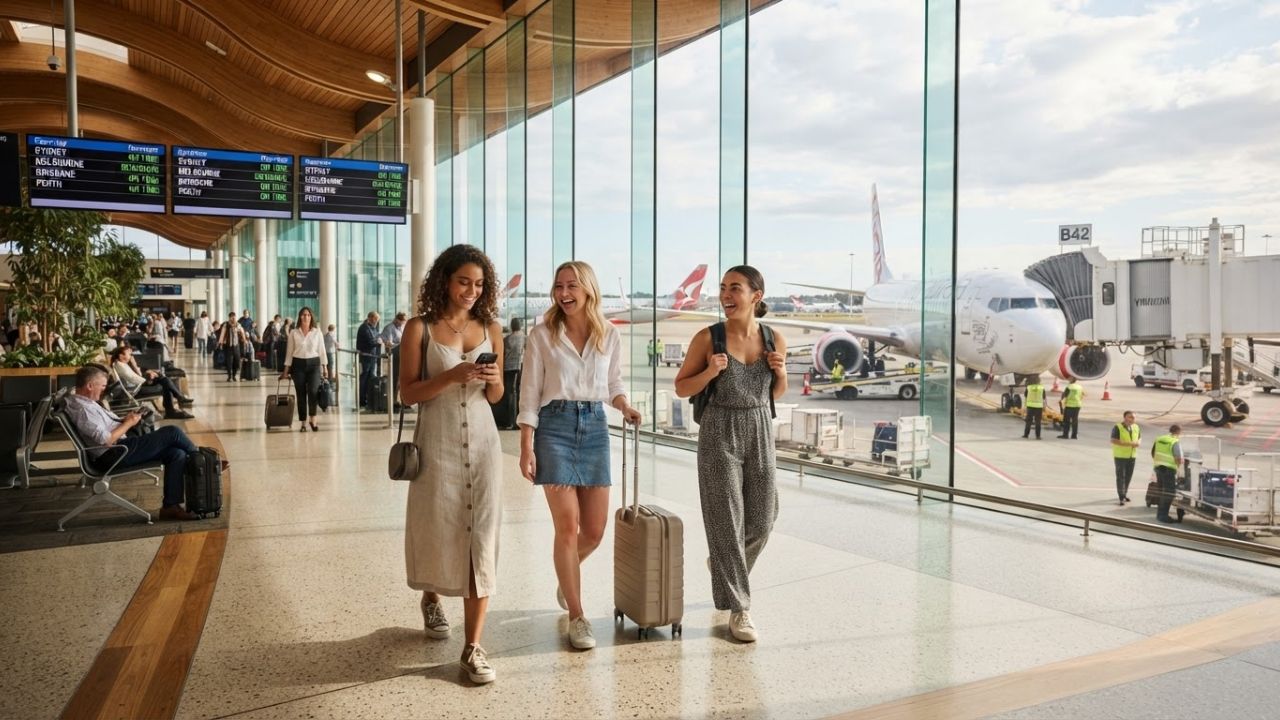
Image generated by AI
Virgin Australia will reduce its domestic flight capacity by 3 percent after reporting an underlying net profit after tax of A$404 million for the financial year ending June 30, 2026. The 21.9 percent profit surge signals a disciplined shift in the Australian travel market toward balancing seat supply with passenger demand.
The Local Trend Revealed
Aviation operators in Australia are transitioning from passenger-volume expansion to network efficiency to offset elevated operating costs. Monitored by the Australian Competition and Consumer Commission (ACCC) and the Department of Infrastructure, Transport, Regional Development, Communications and the Arts, this corporate strategy indicates several key market movements:
- Capacity Reduction: Virgin Australia is reducing domestic seat capacity by 3 percent in the first half of the new financial year ending December 2026.
- Profit Milestones: The carrier reported an underlying net profit after tax of A$404 million for the year ended 30 June 2026, exceeding the A$383.4 million Visible Alpha consensus estimate.
- RASK Increases: Revenue per available seat kilometer (RASK) is projected to rise by 6 percent to 8 percent over the six months ending December 2026, surpassing the consensus forecast of 5.15 percent.
- Qantas Capacity Trends: Qantas announced a similar domestic capacity reduction of approximately 3 percent, while forecasting a first-half RASK increase of 8 percent to 10 percent, despite reporting a 14 percent annual profit decline to A$2.06 billion due to fuel costs.
- Declared Dividend: Following its ASX relisting in June 2025, Virgin Australia declared a fully franked dividend of 7.6 Australian cents per share, supported by net debt levels of A$989 million (0.9 times underlying EBITDA).
- Leisure Destinations: The carrier continues to expand holiday packages for popular international routes, including Bali, Vanuatu, Fiji, and Queenstown.
Local Community & Environmental Value
For the visitor, the real impact of balanced airline capacity is supporting regional economies directly. When traveling to destinations like the Hunter Valley or Queensland's Scenic Rim, buying fresh produce at farmers' markets and purchasing crafts from local artisans ensures that travel spending stays within regional communities.
Environmental protection is advanced by optimizing aircraft load factors. Trimming capacity by 3 percent helps lower emissions per passenger by ensuring planes fly with fewer empty seats. Buying carbon offset credits during booking directly supports land restoration and reforestation projects in the Australian Outback, satisfying environmental guidelines monitored by Tourism Australia.
Visitor Insider Tips for Australia Air Travel
Travel specialists recommend the following practices during capacity adjustments:
- Book Choices Early: With fewer domestic seats available on key corridors like Sydney (SYD) to Melbourne (MEL), book flights at least 21 days in advance to lock in lower-tier "Choice" fares before only higher-priced "Flex" tickets remain.
- Join Loyalty Programs: Join the Velocity Frequent Flyer program before booking to access priority seating options and earn points on domestic and leisure routes.
- Transiting Sydney Airport: If transiting through Sydney Airport Terminal 2, head to the regional gate seating zones for quieter environments and faster Wi-Fi connections than the main central lounge areas.
- Observe the Off-Peak Window: Plan domestic travel during the late winter and early spring shoulder seasons (mid-October to late November). You will avoid school holiday rushes in September and summer peak pricing in December, securing lower hotel rates.
- Sample Regional Culinary Specialties:
- In Sydney: Try fresh Rock Oysters at coastal markets.
- In Melbourne: Sample specialty Flat White Coffee at independent laneway cafes.
- In Brisbane: Taste fresh Moreton Bay Bugs (slipper lobsters cooked with garlic butter).
- Observe Indigenous Heritage Etiquette: Respect local cultural traditions. When visiting protected areas like Uluru-Kata Tjuta National Park, observe "No Photography" signs at sacred sites. Tipping is not mandatory in Australia, but leaving 10 percent in sit-down restaurants for excellent service is appreciated.
- Explore Under-the-Radar Escapes: Skip the crowded Gold Coast beaches and visit Tamborine Mountain in the Scenic Rim to walk through rainforest canopies and visit local artisan cheese rooms.
Tourism Outlook
The long-term impact of airline profit growth and capacity discipline is a more stable tourism corridor across Australia. By matching seat supply with demand and expanding regional connections, domestic airlines aim to protect profit margins while providing sustainable transport access to regional holiday centers.
FAQ: Virgin Australia Domestic Capacity Cuts
Why is Virgin Australia cutting domestic flight capacity by 3 percent? The airline is reducing capacity to manage operational costs and optimize revenue per seat, matching passenger supply with demand while protecting profit margins.
What was Virgin Australia's profit for the financial year ending June 30, 2026? The carrier reported an underlying net profit after tax of A$404 million, representing a 21.9 percent increase from the previous year.
Is Qantas also cutting domestic flights? Yes. Qantas is implementing a similar domestic capacity reduction of approximately 3 percent for the first half of the new financial year.
What dividend was declared by Virgin Australia? The airline declared a fully franked dividend of 7.6 Australian cents per share, its first dividend since its June 2025 relisting.
Related Travel Guides
Disclaimer
This article is for informational and educational purposes only. It does not constitute legal, financial, or professional advice. While we strive to provide accurate and up-to-date information, travel policies, regulations, and conditions change rapidly. Always verify information with official sources before making travel decisions. Nomad Lawyer makes no representations about the accuracy, reliability, completeness, or suitability of the information provided. Readers should consult qualified professionals for advice specific to their circumstances. The views expressed in this article are those of the author and do not necessarily reflect the views of Nomad Lawyer.
Raushan Kumar
Founder & Lead Developer
Full-stack developer with 11+ years of experience and a passionate traveller. Raushan built Nomad Lawyer from the ground up with a vision to create the best travel and law experience on the web.
Learn more about our team →