
US-India Direct Flight Network Surges: Connecting Chicago and Bangalore Hubs
A historic expansion of the direct US-to-India aviation corridor in late 2026 bridges cities like Chicago, Boston, and Seattle with Bengaluru, bypassing congested hubs.

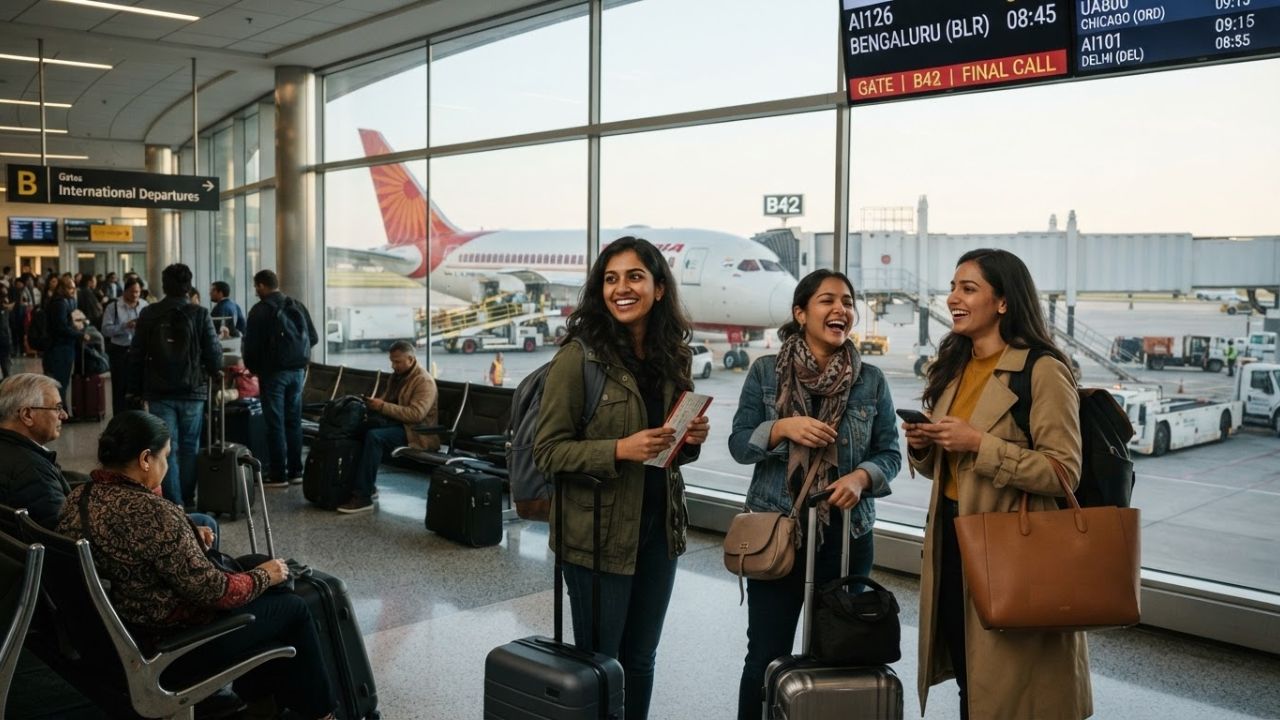
Image generated by AI
A monumental expansion of the US-to-India aviation network is underway in late 2026, driven by a 2005 Open Skies agreement that has eliminated flight caps to connect cities like Chicago and Bangalore directly. The direct routes between major North American cities and South Asian tech hubs are transforming transcontinental journeys, replacing long layovers with direct operations.
The Open Skies Regulatory Foundation and Direct Route Expansion
Underpinning this direct route expansion is the highly liberalized Air Services Agreement signed by both nations. According to official guidelines from the Indian Ministry of Civil Aviation and the United States Department of Transportation (DOT), the Open Skies policy formally adopted in 2005 acts as the foundation for modern flight connectivity.
By removing restrictions on flight frequencies, carrier capacity, and specific points of call, this bilateral framework allowed commercial airlines to establish unlimited services across both territories. The removal of these bureaucratic barriers created a market where direct flight corridors could expand, shifting the structural dynamics of modern transcontinental aviation.
Surging Demand Drives Direct Links Beyond Primary Hubs
Historically, international passengers flying between the two countries were routed through heavily congested primary gateways like Delhi (DEL) and Mumbai (BOM), requiring exhausting domestic transfers immediately after an intercontinental flight. Today, modern digital booking services are shifting this pattern by offering direct connections to secondary regional centers.
Travelers can now secure direct itineraries connecting to the industrial hub of Ahmedabad (AMD), the cultural centers of Kolkata (CCU), and the healthcare and automotive manufacturing corridors of Chennai (MAA). This expansion also integrates technology hubs like Hyderabad (HYD) and Bangalore (BLR), alongside regional heritage centers like Jaipur and Jodhpur.
Industry statistics from late 2026 show that the Indian aviation market is capturing a larger share of global airline capacity. This regional growth is supported by a rising middle class and infrastructure upgrades implemented by local airport authorities.
Local Community Empowerment and Carbon-Reduction Aviation Initiatives
By connecting travelers directly to regional secondary gateways, this aviation trend supports local economies outside of major metropolitan hubs. Passengers are able to bypass large airport commercial centers, directly spending their travel funds on regional homestays, local tour companies, and independent neighborhood restaurants.
To support local micro-economies, visitors can choose accommodations certified by regional heritage associations or purchase local handicrafts verified by the Indian Ministry of Tourism.
Environmental sustainability is also a key driver in modern fleet deployments. Airlines are utilizing fuel-efficient, wide-body aircraft like the Boeing 787 Dreamliner and the Airbus A350 on these ultra-long-haul routes.
According to data monitored by the Federal Aviation Administration (FAA), these advanced aircraft reduce fuel burn and carbon emissions by up to 20 to 25 percent compared to older wide-body models. This development directly addresses the demand for sustainable yet swift intercontinental travel options.
Local Insider Travel Tips for Chicago and Bengaluru Visitors
For travelers preparing to fly between these two major global hubs, local destination specialists suggest several strategies to enhance the journey:
- Time Your Visit Wisely: The best off-peak window to visit Bangalore is from September to November. During this post-monsoon period, the weather remains pleasant, and you avoid the heavy winter holiday crowds. For Chicago, visit during the autumn window of mid-September to October to experience the foliage before the freezing winter winds arrive.
- Savor Local Culinary Specialties: In Bangalore, bypass the hotel breakfasts and head to Vidyarthi Bhavan in Gandhi Bazaar for a traditional Masala Dosa paired with local Filter Coffee. In Chicago, sample a classic Chicago-style Hot Dog from an independent neighborhood stand (remember that adding ketchup is a major local taboo).
- Explore Under-the-Radar Retreats: While in Bangalore, visit the historical Devanahalli Fort, located just a short distance from the international airport, which offers a quiet look at the region's heritage. In Chicago, take a peaceful stroll through the Alfred Caldwell Lily Pool in Lincoln Park to escape the city noise.
- Observe Cultural Etiquette: When visiting corporate offices in Bangalore's tech sectors, a standard handshake is expected. However, when entering traditional temples or homes, always remove your shoes, dress modestly to cover shoulders and knees, and use a polite Namaste greeting to show respect.
- Utilize Digital Verification Systems: To ensure a frictionless journey, register your travel documents on the official airline portals before arriving at the departure gate. The integration of automated passport verification and expedited customs processing has streamlined airport transit times at both Chicago O'Hare and Bengaluru Kempegowda.
FAQ: US-India Flight Network Upgrades
What is the impact of the Open Skies Agreement on US-India travel? The Open Skies Agreement, signed in 2005, removed all governmental caps on flight frequencies, carrier capacity, and destination cities, allowing airlines to establish unlimited direct flights between the US and India.
Which secondary Indian cities now have direct connectivity links? Travelers can access direct flight routes to secondary regional destinations including Bangalore, Hyderabad, Ahmedabad, Chennai, and Kolkata, bypassing the need to transfer through Delhi or Mumbai.
How do newer wide-body aircraft help the environment on long-haul routes? Airlines are using advanced wide-body aircraft like the Boeing 787 and Airbus A350, which are designed to reduce carbon emissions and fuel consumption by 20 to 25 percent compared to older long-haul jets.
What is the best time of year to travel to Bangalore to avoid peak season? The ideal off-peak window is between September and November, offering comfortable temperatures and lower accommodation rates before the winter peak season begins.
Related Travel Guides
Disclaimer
This article is for informational and educational purposes only. It does not constitute legal, financial, or professional advice. While we strive to provide accurate and up-to-date information, travel policies, regulations, and conditions change rapidly. Always verify information with official sources before making travel decisions. Nomad Lawyer makes no representations about the accuracy, reliability, completeness, or suitability of the information provided. Readers should consult qualified professionals for advice specific to their circumstances. The views expressed in this article are those of the author and do not necessarily reflect the views of Nomad Lawyer.
Kunal K Choudhary
Co-Founder & Contributor
A passionate traveller and tech enthusiast. Kunal contributes to the vision and growth of Nomad Lawyer, bringing fresh perspectives and driving the community forward.
Learn more about our team →