
Virgin Atlantic Concorde: Branson's Decades-Long Supersonic Revival Bid
Sir Richard Branson continues pursuing Virgin Atlantic's supersonic ambitions in 2026, facing regulatory hurdles and financial constraints two decades after Concorde's 2003 retirement from British Airways operations.

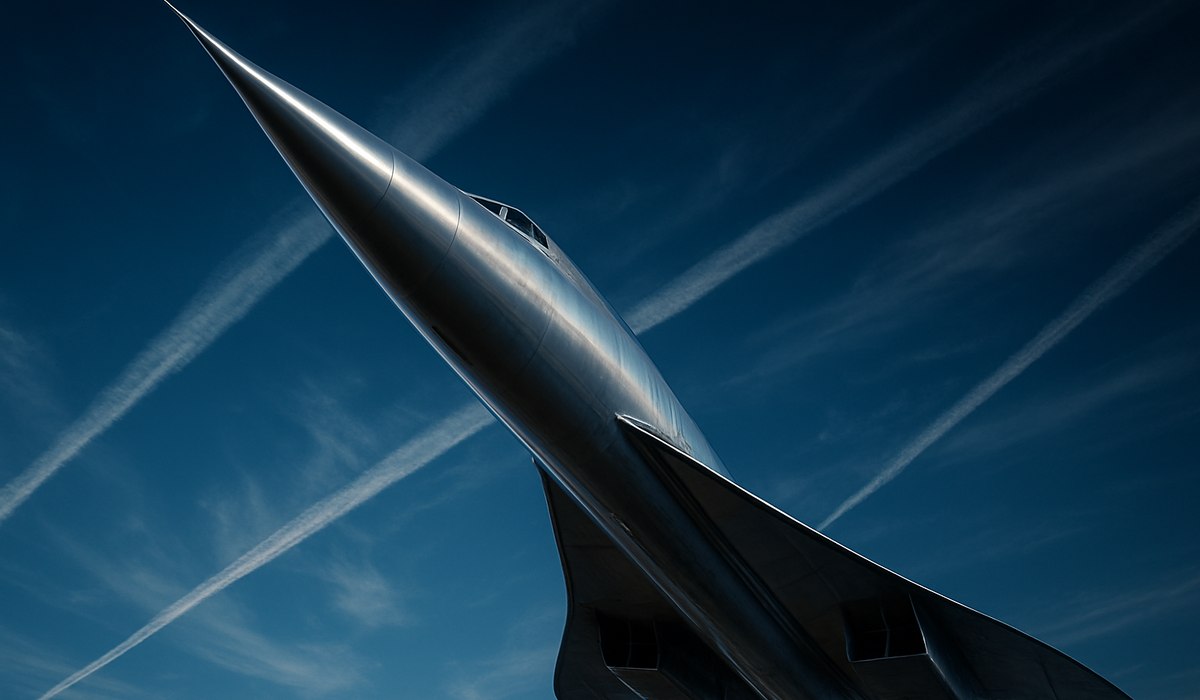
Image generated by AI
Branson's Unwavering Supersonic Dream
Sir Richard Branson has spent more than two decades pursuing one of aviation's most ambitious goals: resurrecting supersonic commercial flight through Virgin Atlantic. Despite Concorde's retirement in 2003 after three decades of transatlantic service, the billionaire entrepreneur remains committed to making ultrafast travel commercially viable again. His quixotic quest has survived changing market conditions, technological skepticism, and repeated financial setbacks—positioning him as aviation's most persistent visionary chasing the dream of two-hour New York flights.
The Branson Blueprint: From British Airways Acquisitions to Modern Supersonic
Virgin Atlantic's founder first explored purchasing retired Concorde aircraft directly from British Airways in the early 2000s. Though initial acquisition attempts proved unsuccessful due to regulatory complications and the aircraft's prohibitive operating costs, Branson pivoted toward partnering with next-generation supersonic developers. Rather than operating vintage Concordes, Virgin Atlantic now invests in startup technologies promising cleaner, more economical hypersonic travel. These ventures represent a fundamental shift from nostalgic restoration toward innovative engineering solutions.
The airline has publicly committed resources to supersonic development partnerships, viewing 2026 as a critical inflection point. Industry analysts note that Branson's persistence reflects broader confidence in eventual regulatory approval, despite persistent skepticism from traditional aviation sectors and environmental advocates. His track record of unconventional business success lends credibility to assertions that supersonic viability depends on technological breakthrough rather than mere capital allocation.
Regulatory Hurdles: The Sonic Boom Question
Environmental regulations pose the primary obstacle to Virgin Atlantic's supersonic ambitions. Sonic boom restrictions over land remain the decisive factor limiting operational routes and economic viability. Federal Aviation Administration guidelines currently prohibit supersonic flight within United States airspace, effectively eliminating the most profitable potential markets. Transatlantic routes would require careful corridor negotiation with European authorities, who maintain equally stringent environmental standards.
According to the FAA website at faa.gov, supersonic flight approval requires demonstrating compliance with noise mitigation protocols exceeding current commercial aviation standards. These regulatory barriers explain why next-generation platforms focus heavily on boom reduction technology rather than pure speed maximization. Virgin Atlantic acknowledges these constraints while maintaining optimism about regulatory evolution as environmental technologies mature.
Financial Realities: The Billion-Dollar Question
Developing commercially viable supersonic aircraft demands capital investment rivaling major automotive manufacturing initiatives. Industry projections suggest bringing a new supersonic platform to market requires three to five billion dollars in combined research and certification costs. Current development partnerships distribute these expenses across multiple stakeholders, but profitability timelines remain uncertain.
Ticket pricing represents another critical unknown. Early supersonic service historically commanded premium fares—Concorde tickets often exceeded transatlantic economy prices by 400-500 percent. Modern supersonic operators must balance luxury positioning against accessible pricing models that achieve operational scale. Virgin Atlantic's business model hinges on developing aircraft with significantly lower operating costs than Concorde's highly fuel-inefficient engines, which consumed approximately 5,600 gallons per hour during cruise.
The Aviation Industry Response
Major carriers have adopted cautious stances toward supersonic revival. Airlines including British Airways, which operated Concorde for decades, express skepticism about near-term commercial viability while monitoring technological developments. Established carriers worry that supersonic service would cannibalize premium long-haul traffic without generating sufficient new demand. Environmental commitments embedded in recent fleet modernization plans further discourage traditional airlines from supersonic investments.
Startup manufacturers like Boom Supersonic and Hermeus Corporation represent alternative development pathways outside traditional aviation structures. These companies pursue government contracts and venture capital funding rather than relying on established airline support. Virgin Atlantic's partnership positioning allows Branson's enterprise to evaluate emerging technologies without bearing full development responsibility, managing financial risk while maintaining strategic optionality.
Key Data Table: Supersonic Aviation Timeline & Metrics
| Metric | Concorde Era (1976-2003) | Modern Supersonic Development | Current Status 2026 |
|---|---|---|---|
| Cruise Speed | Mach 2.02 (1,350 mph) | Mach 1.7-2.2 (proposed) | Testing phase |
| Flight Range | 3,600 nautical miles | 4,000+ nautical miles | Design stage |
| Fuel Consumption | 5,600 gal/hour | 2,000 gal/hour (target) | Under development |
| Ticket Premium | 400-500% vs economy | 300-400% (projected) | Uncertain |
| Regulatory Status | Banned over land (US/Europe) | Sonic boom exemptions pending | FAA review ongoing |
| Virgin Atlantic Role | Observer/historical stakeholder | Development partner/investor | Active evaluation 2026 |
Branson's Quixotic Journey: From Defeat to Diversification
The Virgin Atlantic Concorde narrative reveals much about Branson's business philosophy. Rather than accepting the 2003 Concorde retirement as permanent, he reframed the challenge as a development opportunity. Each acquisition failure, regulatory rejection, and technology pivot strengthened resolve rather than diminishing commitment. This quixotic persistence defines Branson's brand, making supersonic revival inseparable from corporate identity.
Two decades of pursuit haven't yielded operational service, yet Branson maintains public optimism about mid-to-late 2030s commercial launches. Skeptics question whether genuine technological progress justifies continued investment, or whether the billionaire pursues a romantic fantasy disconnected from market realities. Current aviation industry consensus leans toward gradual regulatory accommodation rather than imminent commercial deployment.
What This Means for Travelers
If Virgin Atlantic's supersonic initiatives succeed, travelers can anticipate transformative changes to long-distance air travel economics and scheduling. Current implications for booking decisions remain minimal, but strategic awareness proves valuable for frequent international flyers.
Traveler Action Checklist:
- Monitor industry developments through aviation news sources tracking supersonic certification progress—bookmark the FAA website for regulatory updates affecting future routes
- Evaluate current premium options on transatlantic routes, as supersonic tickets will command luxury pricing initially, making 2026 direct bookings the economic choice for most travelers
- Subscribe to Virgin Atlantic announcements regarding partnership developments, as early supersonic service details will reach frequent flyer members first
- Review transatlantic schedule flexibility in upcoming bookings, since supersonic routes may eventually reduce conventional flight frequency on premium corridors
- Document current flight experiences on legacy long-haul routes before potential service transformations, capturing baseline understanding of international aviation as technology evolves
- Track competitor announcements from other major airlines considering supersonic partnerships, as industry-wide adoption would fundamentally reshape transatlantic travel markets
FAQ: Virgin Atlantic Concorde and Supersonic Aviation
What happened to the original Concorde aircraft? British Airways retired all Concorde operations on October 24, 2003, after 27 years of transatlantic service. The aircraft proved economically unsustainable following the 2000 Air France crash, reduced passenger demand post-9/11, and escalating maintenance costs. Several examples now reside in museums worldwide, including the Science Museum in London and the Smithsonian Institution.
Has Virgin Atlantic actually purchased any Concorde aircraft? No—Virgin Atlantic has not acquired operational Concorde examples. Sir Richard Branson explored acquisition possibilities in the early 2000s, but regulatory complications, restoration costs exceeding $500 million per aircraft, and operational licensing barriers made purchases commercially impractical. Current Virgin Atlantic strategy focuses on next-generation supersonic partnerships rather than vintage aircraft resurrection.
When might supersonic service actually launch? Industry projections suggest earliest possible
Disclaimer
This article is for informational and educational purposes only. It does not constitute legal, financial, or professional advice. While we strive to provide accurate and up-to-date information, travel policies, regulations, and conditions change rapidly. Always verify information with official sources before making travel decisions. Nomad Lawyer makes no representations about the accuracy, reliability, completeness, or suitability of the information provided. Readers should consult qualified professionals for advice specific to their circumstances. The views expressed in this article are those of the author and do not necessarily reflect the views of Nomad Lawyer.
Raushan Kumar
Founder & Lead Developer
Full-stack developer with 11+ years of experience and a passionate traveller. Raushan built Nomad Lawyer from the ground up with a vision to create the best travel and law experience on the web.
Learn more about our team →