
Villa Vie Residences Suspends Odyssey World Cruise in Cambodia as Soaring Geopolitical Fuel Costs Trigger Financial Restructuring

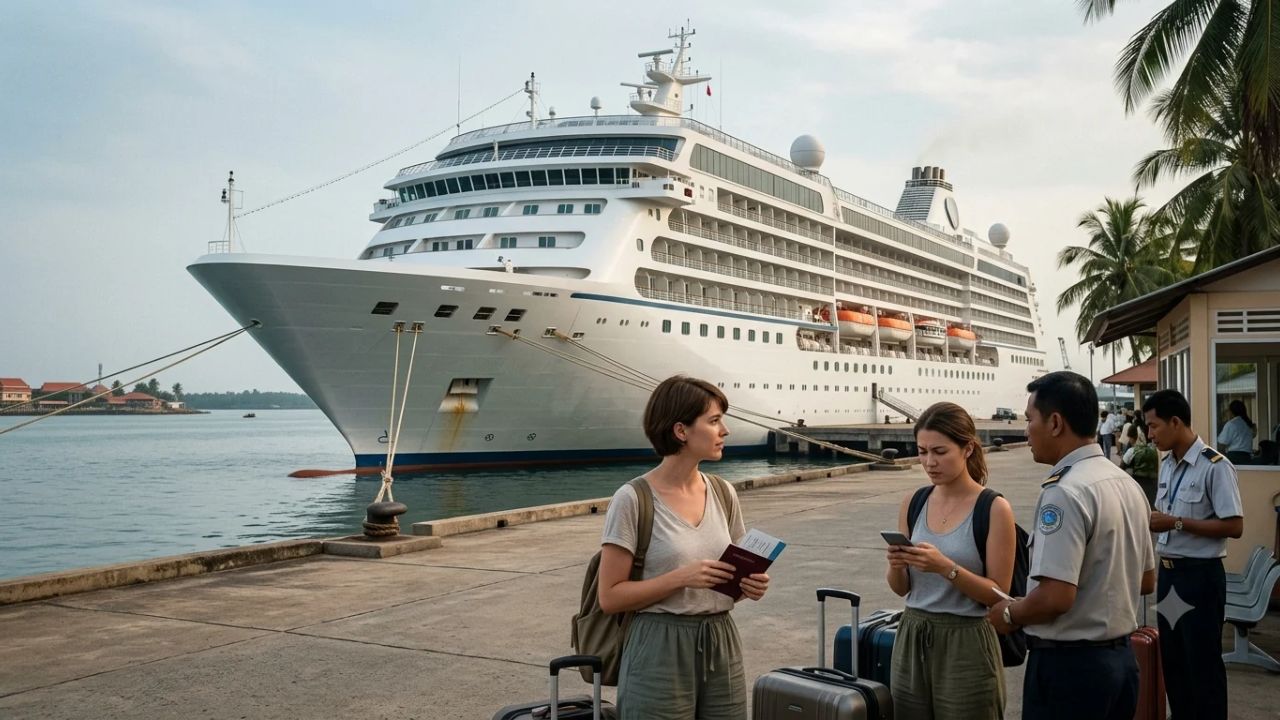
Villa Vie Residences has abruptly suspended operations of its 650-passenger residential cruise ship Odyssey in Cambodia, stranding residents and travelers as marine gasoil costs surge more than 300 percent amidst escalating Middle Eastern geopolitical conflict, forcing the startup into a 60-day recapitalization and restructuring process.
The operational halt, announced on 27 October 2026, marks a dramatic disruption for the pioneering residential cruise concept. Moored in Cambodian waters, the vessel's multi-year global voyage has ground to a standstill. While company management confirmed it would cover temporary onshore hotel lodging and local transport within Cambodia, it explicitly stated that funding for passengers to book outbound international flights home would not be provided. The crisis exposes the acute vulnerability of long-duration residential maritime models to macroeconomic energy shocks, leaving buyers who invested hundreds of thousands of dollars facing legal and financial uncertainty.
The Cambodian Standoff and Passenger Disembarkation Logistics
The immediate human impact of the suspension unfolded at Cambodia's coastal port facilities, where the 24,000-gross-ton Odyssey had docked as part of its scheduled Southeast Asian transit. Following the operational halt, Villa Vie Residences initiated coordinated disembarkation procedures for the hundreds of residents currently aboard.
While the operator pledged to arrange temporary hotel accommodation and local shuttle services in Cambodia, the absence of onward repatriation funding has stranded many residents in an unfamiliar jurisdiction. Passengers who sold land-based homes, invested life savings into cabin titles, or committed to multi-year rental contracts are now forced to navigate emergency consular assistance, visa expiration deadlines, and expensive commercial airfares out of Phnom Penh or Sihanoukville at their own personal expense.
[Villa Vie Odyssey Voyage Timeline]
Belfast Departure (Oct 2024) -> Tonga & Pacific Transit -> Australia (March 2026) -> Cambodia Suspension (Oct 2026)
                                                                                            |
                                         +--------------------------------------------------+
                                         v
       [300%+ Marine Gasoil Surge] -> [Monthly Costs Spike to $3M] -> [60-Day Restructuring Window]
                                         |
                                         v
       [Temporary Cambodian Hotel Lodging] | [No Outbound Flight Funding Provided to Residents]
Anatomy of an Energy Shock: Geopolitical Conflict and Bunkering Spikes
The primary catalyst behind the sudden operational collapse is an unprecedented spike in marine bunker fuel expenditure. According to Villa Vie Residences founder Mikael Petterson, the company's fuel procurement costs surged by more than 300 percent in the wake of escalating hostilities involving the United States, Israel, and Iran.
The geopolitical confrontation severely disrupted energy shipping corridors through the Strait of Hormuz, triggering immediate global price shocks across refined petroleum products. Because the Odyssey operates on marine gasoil (MGO)—a higher-grade, lower-sulfur distillate fuel—the vessel was acutely exposed to spot market volatility in Southeast Asia's maritime hubs.
| Financial & Operational Metric | Baseline Historical Parameters | October 2026 Crisis Peak | Percentage Escalation |
|---|---|---|---|
| Singapore Marine Gasoil (MGO) | ~US$680–$720 per metric tonne | US$1,321 per metric tonne | +85% to +94% (Near Double) |
| Monthly Fuel Allocation Per Cabin | Approximately US$1,800 | Up to US$8,000 | +344% Spike |
| Total Monthly Vessel Operating Costs | Approximately US$2.0 million | Approximately US$3.0 million | +50% Increase |
| Interim Cost Mitigation Fee | Included in standard fee | Proposed US$500 monthly surcharge | Emergency Operational Levy |
| Company Solvency Runway | Sustained via recurring fees | 60-day recapitalization window | Restructuring Deadline |
In Singapore, the world's preeminent marine bunkering hub through which the vessel procured fuel, marine gasoil climbed to US$1,321 per metric tonne. For a continuous-sailing residential vessel with constant hotel power loads and propulsion demands, historical monthly fuel costs of approximately US$1,800 per cabin suddenly exploded to as much as US$8,000 per cabin.
Company leadership attempted to mitigate consumption by reducing transit speeds and extending port stays to minimize engine running hours. However, with overall monthly operating expenses surging by 50 percent to US$3 million, operational cash flow deteriorated rapidly, rendering scheduled navigation commercially unsustainable.
The Residential Cruise Model Under Financial Scrutiny
The crisis highlights the structural risks inherent in the emerging residential cruise sector. Unlike conventional cruise lines—such as Royal Caribbean, Carnival, or MSC—which sell short one-to-two-week leisure vacations with customer payments collected months in advance, residential cruising operates on a hybrid real estate and long-haul transport model.
Villa Vie marketed the Odyssey—which originally departed Belfast, Northern Ireland, in October 2024 following extensive shipyard refurbishments—as a permanent floating community. Customers purchased cabins under three distinct commercial tiers:
- Permanent Cabin Ownership: Outright purchases priced from just under US$130,000 for interior staterooms up to US$440,000 for oceanfront balcony suites.
- Lease and Rent-to-Own Programmes: Multi-year rental agreements designed for digital nomads and retirees seeking extended global travel.
- Monthly Operational Fees: Ongoing maintenance fees ranging between US$2,000 and US$10,000 per month, intended to cover food, housekeeping, ship utilities, and standard marine operations.
[Conventional Cruise Model]
Short Vacation Booking -> Fixed Ticket Fare Paid in Advance -> Hedged Corporate Fuel Contracts -> Minimal Long-Term Consumer Asset Risk

[Residential Maritime Model]
Cabin Purchase ($130K–$440K) -> Monthly Fees ($2K–$10K) -> Vulnerable to Spot Fuel Spikes -> Resident Asset Stranded if Ship Halts
When operating costs diverge dramatically from fee projections, residential cruise operators face immediate liquidity deficits. Proposing an emergency US$500 monthly surcharge alongside supplementary fuel fees met resistance from residents, many of whom were living on fixed pensions. As monthly operating costs outstripped revenues, the business was unable to finance the bunker fuel required to clear Cambodian waters.
Ripple Effects Across Global Ports: Sri Lanka, India, and Australia
The suspension of the Odyssey sends shockwaves across the vessel's forward itinerary, impacting passengers and destinations across the Indian Ocean and South Asia.
The vessel had completed an extensive Pacific circuit throughout 2026, including calls in Tonga and an extended circumnavigation of Australia in March 2026. The ship's published itinerary had scheduled the vessel to conclude 2026 in India before proceeding to Sri Lanka in early 2027.
The disruption severely impacts segment travelers who planned their personal lives around scheduled port calls:
- Segment Travelers in Limbo: Passenger Kelly Kosmin sailed aboard the Odyssey during its initial legs before disembarking in Australia in March 2026. She had planned to rejoin the ship in Sri Lanka in early 2027, coordinating long-haul flights and independent travel around the vessel's arrival. Her situation illustrates how mid-voyage suspensions strand off-ship residents who have already committed funds to future segments.
- Port Authority and Vendor Disruptions: Scheduled port visits in Colombo and Indian coastal hubs face cancellation, depriving local shore excursion operators, transport providers, and maritime provisioning agents of anticipated commercial revenue.
Macroeconomic Headwinds Across the Global Travel Sector
Villa Vie Residences is not the only travel enterprise destabilized by the 2026 energy crisis. The compounding effects of geopolitical turmoil and volatile oil prices have reverberated across the international transport ecosystem:
- Aviation Sector Fallout: Elevated jet fuel expenditures contributed directly to the bankruptcy and operational collapse of US ultra-low-cost carrier Spirit Airlines in spring 2026.
- Corporate Cruise Margin Compression: On 27 October 2026, industry giant Royal Caribbean reported third-quarter financial results, noting that while gross passenger ticket yields remained resilient, soaring marine fuel expenses dampened overall operating margins.
- Bunkering Cost Inflation: High marine gasoil prices in Singapore and Rotterdam have forced global shipping lines and regional passenger ferries to impose emergency fuel adjustment factors (FAF), elevating freight and leisure travel tariffs worldwide.
While diversified mega-operators maintain credit lines, corporate fuel hedges, and deep balance-sheet reserves to weather localized energy shocks, thinly capitalised single-ship startups lack the fiscal cushioning required to absorb sustained fuel spikes.
Consumer Protection and Legal Vulnerabilities in Floating Real Estate
The Odyssey suspension casts a bright spotlight on the regulatory ambiguities governing residential cruise products. Traditional maritime vacationers benefit from statutory consumer protection mechanisms—such as the United Kingdom's ATOL and Package Travel Regulations or the US Federal Maritime Commission's passenger vessel bonding requirements—which ensure customer refunds and emergency repatriation in the event of operator insolvency.
In contrast, residential cruise contracts often occupy complex legal grey zones. Structured as long-term fractional real estate purchases, overseas charter leases, or maritime club memberships registered in offshore flag states, these agreements frequently lack statutory insolvency protections. Residents stranded in Cambodia face complex legal questions regarding maritime liens, vessel repossession by creditors, and the salvage value of their cabin investments should restructuring efforts fail.
Key Risk Factors in Residential World Cruising
| Column 1 |
|---|
| 1. Fuel Spot-Price Exposure: Lack of multi-year fuel hedging contracts. |
| 2. Absence of Statutory Repatriation: No mandatory consumer travel bonding. |
| 3. Dual Real Estate-Maritime Risk: Capital tied to a depreciating vessel. |
| 4. Jurisdictional Complexity: Flag state laws vs. local port authority claims. |
| 5. Operational Overhead Escalation: High fixed utility and staffing expenses. |
The 60-Day Restructuring Window: What Lies Ahead
Villa Vie Residences has initiated a critical 60-day evaluation period to seek emergency recapitalization, secure private equity financing, or execute a comprehensive corporate restructuring to resume operations.
For current residents, industry analysts outline three potential trajectories:
- Successful Recapitalization: The company secures external credit or mezzanine debt, agrees on restructured monthly maintenance fees with residents, procures discounted fuel supplies, and resumes its westward voyage toward India and Europe.
- Fleet Downsizing or Charter Sale: The vessel is leased or sold to a larger commercial operator, with cabin owners receiving equity shares or liquidated settlements under maritime bankruptcy proceedings.
- Total Operational Liquidation: If bridge financing fails within the 60-day window, maritime creditors or port authorities may enforce liens against the hull, leaving cabin purchasers to pursue recovery through international civil courts.
Travelers and maritime observers are monitoring the situation in Cambodia closely. The outcome of the Odyssey standoff will shape consumer confidence in long-term residential cruising, setting legal precedents for passenger protections, fuel risk governance, and operational transparency across the maritime industry.
Frequently Asked Questions
Why did Villa Vie Residences suspend the Odyssey cruise in Cambodia?
Villa Vie Residences suspended operations on 27 October 2026 after marine gasoil fuel costs surged by more than 300 percent following Middle Eastern geopolitical tensions, increasing monthly vessel operating expenses to US$3 million and making continued sailing financially unsustainable.
Is Villa Vie paying for stranded passengers to fly home from Cambodia?
No. The company is coordinating passenger disembarkation and covering temporary hotel accommodation and local ground transportation within Cambodia, but it confirmed that it is not providing financial assistance for passengers to book outbound flights home.
How much do residential cabins cost on the Villa Vie Odyssey?
Permanent residency cabin purchases range from just under US$130,000 for interior staterooms up to approximately US$440,000 for luxury suites. In addition to the purchase price, residents pay monthly operational and maintenance fees ranging between US$2,000 and US$10,000.
What are the company's plans over the next 60 days?
Villa Vie Residences is evaluating restructuring and recapitalization options, seeking external financing to procure fuel, clear its Cambodian port obligations, and resume its planned multi-year world cruise itinerary toward India and Sri Lanka.
Related Travel Guides
- Carnival Cruise Line Unveils 2028 Australia Farewell Voyages for Carnival Adventure and Luminosa Across Asia and the Pacific
- Sri Lanka and Türkiye Sign Landmark Aviation Protocol to Overhaul Bilateral Air Services Agreement and Drive Tourism Connectivity
- Canada, Ireland, and Global Destinations Pioneer Non-Repayable Advisory Grants to Shield Rural Tourism Small Businesses from Failure and OTA Dependency
Disclaimer
This article is for informational and educational purposes only. It does not constitute legal, financial, or professional advice. While we strive to provide accurate and up-to-date information, travel policies, regulations, and conditions change rapidly. Always verify information with official sources before making travel decisions. Nomad Lawyer makes no representations about the accuracy, reliability, completeness, or suitability of the information provided. Readers should consult qualified professionals for advice specific to their circumstances. The views expressed in this article are those of the author and do not necessarily reflect the views of Nomad Lawyer.
Naina Thakur
Contributor & Travel Specialist
Travel enthusiast and legal writer covering visa regulations, responsible tourism, and cultural journeys across global destinations.
Learn more about our team →