
Viking Venus Cruise Ship Marks Five Years of Service, Expanding Global Deployments Across Alaska, Mediterranean and Asia-Pacific Driving Cruise Tourism Growth
Viking Venus Cruise Ship Marks Five Years of Service, Expanding Global Deployments Across Alaska, Mediterranean and Asia

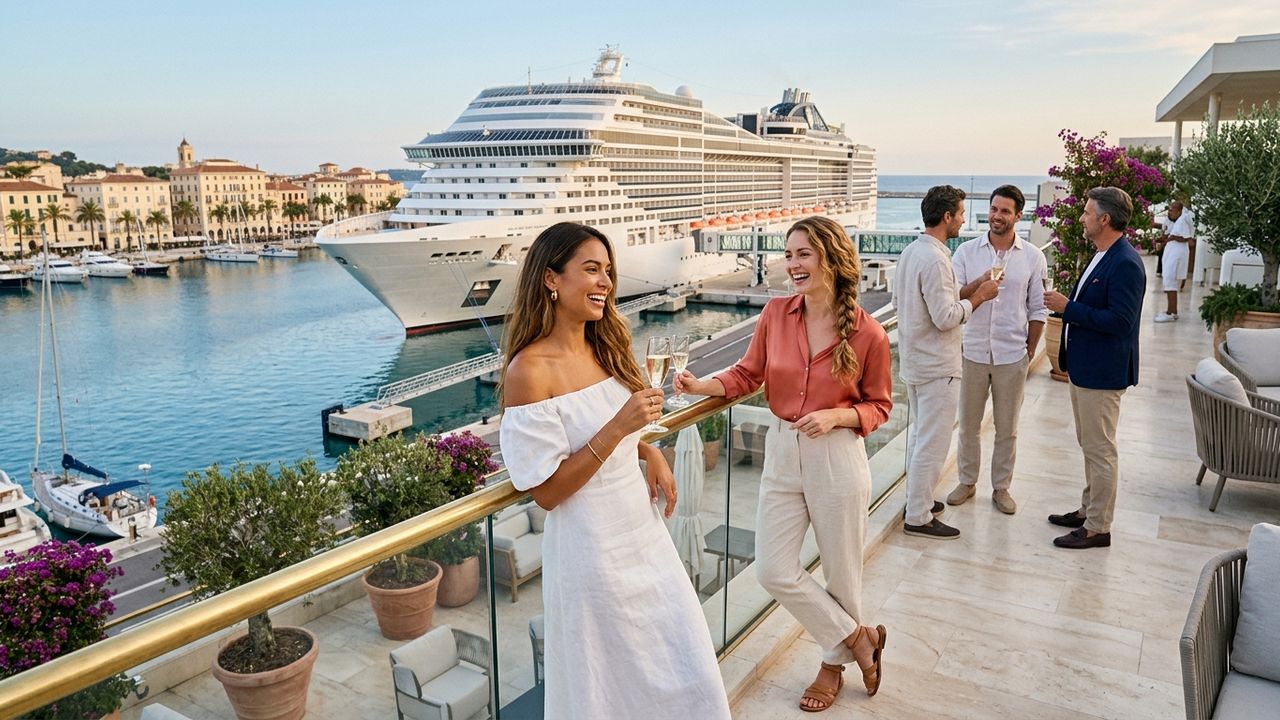
Image generated by AI
Viking Venus Celebrates Five Years of Operations as Luxury Fleet Expands Itineraries Across Alaska, Mediterranean, and Asia-Pacific Regions
[Valletta, Malta] — June 22, 2026 — The luxury passenger vessel Viking Venus marks five years of continuous service while simultaneously scaling up multi-regional cruise deployments across three major global destinations. Operating with a fixed capacity of 930 travelers per sailing, the Fincantieri-built ocean liner is currently executing extended itineraries through the Mediterranean Sea, Alaskan coastline, and Asia-Pacific corridor to stimulate post-pandemic maritime tourism recovery. Industry observers note that this strategic routing directly supports coastal economies and establishes a new benchmark for destination-focused ocean travel.
Commissioned for Viking Ocean Cruises and officially handed over in April 2021, the vessel entered commercial service during a period of significant industry restructuring. Maritime operators worldwide gradually transitioned from mass-entertainment models to immersive, location-driven experiences following extensive operational suspensions. The vessel’s recent operational milestones reflect broader shifts in passenger preferences, with travelers prioritizing cultural immersion, environmental conservation, and extended port stays over traditional onboard programming. Regulatory bodies and tourism boards across multiple continents are actively monitoring these routing adjustments as key indicators of sustainable maritime growth.
Early United Kingdom Operations Reinforce Post-Pandemic Maritime Recovery Initial commercial activities centered on the United Kingdom, where the vessel launched resident-focused sailings from Portsmouth. These early departures served as a critical catalyst for restoring passenger confidence during the industry’s gradual reopening phase. The official naming ceremony conducted in the English Channel signaled the return of large-scale maritime operations and helped reactivate regional tourism supply chains. Cruise line executives and port authorities reported steady booking increases as domestic travelers resumed international-style voyages. This foundational period demonstrated how mid-sized luxury liners can stabilize regional economies while maintaining strict health and safety protocols.
Mediterranean Expansion Strengthens Regional Port Economies The vessel subsequently shifted its operational base to Valletta Cruise Port in Malta, initiating a series of extended voyages throughout the European basin. Itineraries spanning 11 to 21 nights now connect major hubs across Greece, the Adriatic Sea, and the Eastern Mediterranean coastline. These route configurations enable passengers to explore secondary destinations while reducing congestion at historically overloaded anchor points. Local hospitality providers, retail merchants, and cultural institutions report increased revenue streams tied directly to longer passenger shore stays. Maritime analysts confirm that this deployment model successfully distributes visitor spending across multiple municipalities rather than concentrating it in single metropolitan zones.
Alaska Deployment Enhances Nature-Based Cruise Tourism Demand Transitioning to North American waters, the vessel now executes ten-night itineraries focused on wilderness exploration and ecological education. Glacial fjords, wildlife corridors, and remote coastal villages form the core destinations for this expedition-style routing. The Alaska segment directly supports the rapid expansion of nature-oriented maritime travel, which currently represents one of the fastest-growing sectors within global cruise markets. Regional port authorities benefit from consistent seasonal employment opportunities and targeted infrastructure upgrades designed to accommodate expedition vessels. Educational programming integrated into the onboard experience aligns passenger interests with environmental conservation initiatives, reinforcing sustainable tourism practices.
Asia-Pacific Repositioning Expands Global Maritime Connectivity A scheduled 22-night transpacific repositioning voyage now connects Vancouver to Tokyo, marking a strategic entry into long-haul Asia-Pacific routing. Overnight port calls in Japanese municipalities such as Otaru encourage deeper cultural engagement and extended local spending. Tourism authorities in the region utilize these longer dwell times to distribute visitor flows across under-visited prefectures and historical sites. The subsequent winter deployment across Australia and the South Pacific completes a continuous hemispheric routing cycle that maximizes fleet utilization. Industry data indicates that transpacific maritime corridors are experiencing sustained demand growth as travelers seek extended cultural itineraries.
| Deployment Region | Primary Port | Itinerary Duration | Key Destinations | Operational Focus |
|---|---|---|---|---|
| United Kingdom | Portsmouth | Resident-focused | English Channel, UK Coast | Post-pandemic recovery launch |
| Mediterranean | Valletta Cruise Port, Malta | 11–21 nights | Greece, Adriatic Sea, Eastern Mediterranean | Extended cultural itineraries |
| Alaska | North Pacific Coast | 10 nights | Glacial fjords, wildlife corridors, remote villages | Nature-based expedition cruising |
| Asia-Pacific | Vancouver to Tokyo | 22 nights | Otaru, Japan, Australia, South Pacific | Transpacific connectivity and hemispheric routing |
Cruise Tourism Impact on Global Travel Economies The coordinated routing strategy employed across these three major maritime zones generates measurable economic benefits for coastal municipalities and regional governments. Cruise vessels function as mobile revenue generators that stimulate demand for air connectivity, hospitality services, and local transportation networks. Port cities experience predictable seasonal visitor influxes, enabling better workforce planning and long-term infrastructure investments. The Mediterranean deployment provides steady off-peak tourism revenue, while the Alaska and Asia-Pacific segments drive premium expedition cruising demand. Multi-regional fleet allocation allows operators to balance seasonal fluctuations, maintain year-round employment in tourism-dependent communities, and reduce environmental strain on single destinations. Maritime economists project that this distributed routing model will continue shaping global cruise market dynamics through 2030.
Maritime operators will increasingly prioritize destination-specific itineraries that align with regional conservation goals and local economic development targets. Fleet deployment patterns suggest a permanent shift toward extended port stays, secondary destination exposure, and environmentally conscious passenger programming. Cruise tourism infrastructure investments will continue scaling to support longer itineraries and expedition-style maritime travel. Industry stakeholders expect multi-regional routing strategies to remain the standard for sustainable ocean-based tourism growth.
Related Travel Guides
Disclaimer
This article is for informational and educational purposes only. It does not constitute legal, financial, or professional advice. While we strive to provide accurate and up-to-date information, travel policies, regulations, and conditions change rapidly. Always verify information with official sources before making travel decisions. Nomad Lawyer makes no representations about the accuracy, reliability, completeness, or suitability of the information provided. Readers should consult qualified professionals for advice specific to their circumstances. The views expressed in this article are those of the author and do not necessarily reflect the views of Nomad Lawyer.
Preeti Gunjan
Contributor & Community Manager
A passionate traveller and community builder. Preeti helps grow the Nomad Lawyer community, fostering engagement and bringing the reader experience to life.
Learn more about our team →