
Viking Cruises Secures $4 Billion Cash Reserve to Fuel Global Fleet Expansion in 2026
Viking reports a massive $4 billion cash reserve and $5 billion in deferred revenue, signaling an aggressive but disciplined expansion of its river and ocean fleets through 2032.

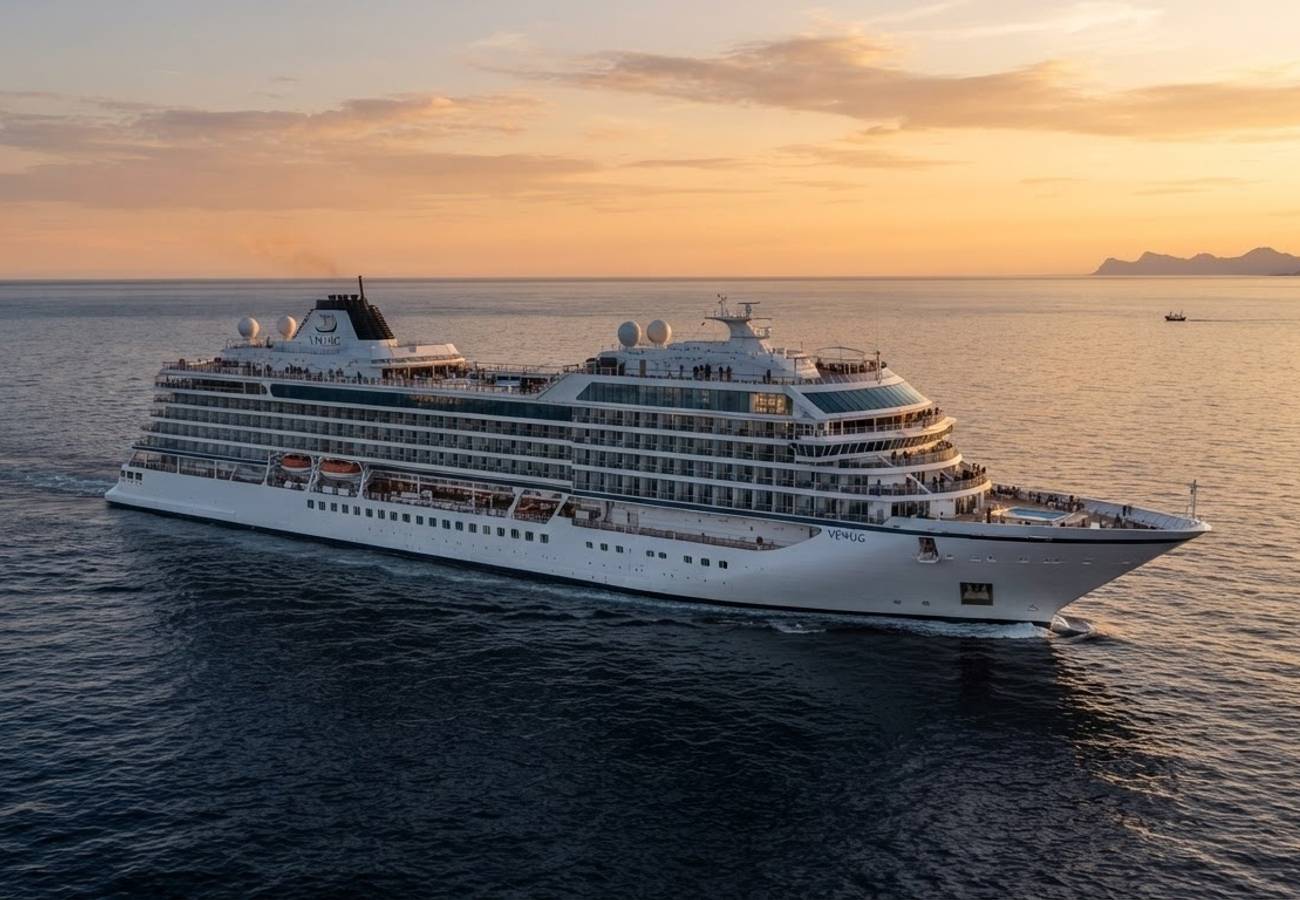
Image generated by AI
Viking has entered the second half of 2026 with a $4 billion cash reserve and $5 billion in deferred revenue, positioning the company to dominate the premium cruise sector through aggressive fleet growth.
Strategic Financial Positioning and Liquidity
Viking's financial reporting for the second quarter of 2026 reveals a liquidity position designed for high-capital investment. With $4 billion in cash and equivalents, the company is insulated against market volatility while maintaining the ability to fund large-scale vessel acquisitions and organic growth.
Beyond its immediate cash holdings, Viking maintains a $1 billion undrawn revolving credit facility. As of June 2026, the company reported net debt of $2.4 billion, maintaining a net leverage ratio of 1.2 times. This balanced sheet allows the operator to pursue a "discipline-first" acquisition strategy, where potential deals are only considered if they outperform the financial returns of building new ships.
The $5 billion in deferred revenue is a critical indicator of consumer confidence, reflecting strong advance booking demand and a stable pipeline of future passenger traffic.
2026 Fleet Delivery and Long-Term Pipeline
The core of Viking's growth strategy is its orderbook. The company is prioritizing the delivery of new river and ocean vessels over the acquisition of existing competitors to ensure consistent service standards and brand alignment.
Vessel Delivery Schedule
| Vessel Type | 2026 Deliveries | Future Pipeline (2032) | Primary Strategic Goal |
|---|---|---|---|
| River Vessels | 10 | TBD | Increase European & regional capacity |
| Ocean Ships | 2 | 2 | Expand global destination reach |
| Total | 12 | 2 | Sustainable capacity growth |
This expansion allows Viking to enter new geographic markets and increase total passenger capacity without compromising the premium positioning of the brand.
Traveler Logistics Guide: Navigating Premium Cruise Expansions
From a ground-level perspective, the rapid expansion of the Viking fleet means more frequent departures and a wider variety of itineraries. However, increased capacity requires smarter booking strategies for the high-end traveler.
Booking Connections and Layovers When booking flights to meet a Viking cruise, particularly in Europe, allow a minimum of 24 to 48 hours of "buffer time" in the embarkation city. Given the current volatility in aviation hubs—such as the recent ATC shortages seen in Ireland—arriving a day early prevents a missed embarkation.
Navigating River Cruise Disruptions European river itineraries are frequently impacted by fluctuating water levels. To mitigate this, travelers should:
- Verify Contingency Plans: Ensure your booking includes clear terms on "bus transfers" or "alternative ship" arrangements if water levels drop.
- Travel Insurance: Opt for policies that specifically cover "itinerary changes" rather than just "cancellations."
- Digital Documentation: Keep digital copies of all vouchers and passports in a secure cloud folder to expedite boarding during ship swaps.
Customs and Port Policies For ocean voyages, utilize digital pre-clearance tools where available to bypass long queues at the terminal. Always check the specific visa requirements for the "land extensions" Viking is currently expanding, as shore-based activities may involve crossing borders that require separate transit permits.
Infrastructure Impact and Market Outlook
Viking’s financial strength provides a strategic advantage during periods of industry instability. While other operators may struggle with operational disruptions—such as the low water levels currently affecting European river routes—Viking's $4 billion reserve allows it to absorb these shocks and potentially acquire distressed assets that fit its strict four-point evaluation framework:
- Successful expansion capability.
- Profit margin improvement.
- Strong financial returns.
- Alignment with premium brand values.
The move toward "destination experiences" and land-based extensions indicates a shift from being a pure cruise line to a full-spectrum luxury travel ecosystem. This integration reduces the traveler's reliance on third-party tour operators and increases the company's capture of the total vacation spend.
Disciplined capital allocation and a robust orderbook have transformed Viking from a niche player into a global maritime powerhouse.
Related Travel Guides
Disclaimer
This article is for informational and educational purposes only. It does not constitute legal, financial, or professional advice. While we strive to provide accurate and up-to-date information, travel policies, regulations, and conditions change rapidly. Always verify information with official sources before making travel decisions. Nomad Lawyer makes no representations about the accuracy, reliability, completeness, or suitability of the information provided. Readers should consult qualified professionals for advice specific to their circumstances. The views expressed in this article are those of the author and do not necessarily reflect the views of Nomad Lawyer.
Preeti Gunjan
Contributor & Community Manager
A passionate traveller and community builder. Preeti helps grow the Nomad Lawyer community, fostering engagement and bringing the reader experience to life.
Learn more about our team →