
Vietnam Ranks 52nd Globally in WEF 2026 Travel & Tourism Development Index With High Safety, Cultural, and Price Ratings
Vietnam advances in the WEF 2026 Travel & Tourism Development Index, ranking 52nd out of 110 economies while securing 7th in price competitiveness and 9th in safety and security.

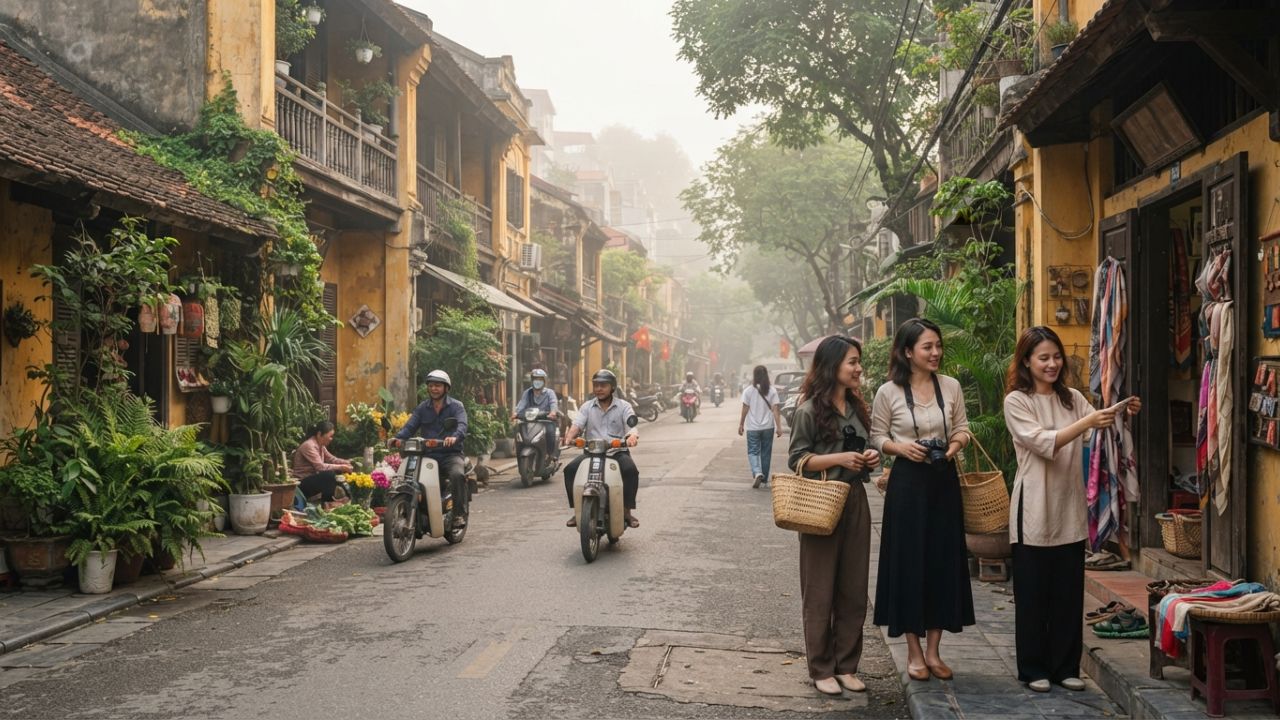
Vietnam achieves 52nd place globally in the World Economic Forum 2026 Travel & Tourism Development Index.
Vietnam has achieved 52nd place out of 110 economies in the World Economic Forum’s 2026 Travel & Tourism Development Index (TTDI), posting a 6.1% score progression driven by strong ratings in safety, price competitiveness, and natural and cultural resources.
[Hanoi, Oct 6, 2026] — In the latest World Economic Forum (WEF) 2026 Travel & Tourism Development Index, Vietnam ranked 52nd globally among 110 evaluated economies. While holding the fifth position within the ASEAN economic zone, Vietnam achieved a 6.1% aggregate score increase—the highest overall growth rate among major Southeast Asian destinations.
The WEF index evaluates 17 pillars across five key domains: enabling policy environments, modern transport infrastructure, natural and cultural assets, environmental sustainability, and travel demand viability. Vietnam's performance highlights strong foundational rankings in safety and security (9th globally) and price competitiveness (7th globally), alongside preserved heritage assets across Hanoi, Ha Long Bay, and Hoi An.
ASEAN Regional Hierarchy in WEF TTDI 2026
| ASEAN Rank | Global TTDI Rank | Nation / Economy | TTDI Score Growth Trajectory | Key Diagnostic Strengths |
|---|---|---|---|---|
| 1 | 13th | Singapore | Stable high baseline | International connectivity, services & business environment |
| 2 | 23rd | Indonesia | Steady growth | Natural resources, price competitiveness & cultural heritage |
| 3 | 26th | Malaysia | Solid regional position | Infrastructure, air transport & price competitiveness |
| 4 | 38th | Thailand | Steady performance | Tourist services, natural assets & air connectivity |
| 5 | 52nd | Vietnam | +6.1% Score Increase | Safety (9th), Price Competitiveness (7th), Cultural Assets (21st) |
Breakdown of Vietnam's Metric Scores Across WEF Diagnostic Pillars
| Diagnostic Pillar / Category | Global Ranking | Assigned Score / Rating | Impact on International Visitor Experience |
|---|---|---|---|
| Price Competitiveness | 7th Globally | High Affordability | Exceptional value for accommodations, food, and local transit |
| Safety and Security | 9th Globally | 6.52 / 7.00 Score | High institutional stability, low crime rates & secure travel |
| Cultural Resources | 21st Globally | High Asset Rating | Meticulous preservation of historic monuments, crafts & cuisine |
| Natural Resources | 22nd Globally | High Resource Rating | Biodiversity protection across national parks & karst landscapes |
| Air Transport Connectivity | 34th Globally | Competitive Rating | Expanding flight networks connecting Hanoi, Da Nang & HCMC |
Safety, Security, and Air Transport Infrastructure Standards
Vietnam's standing is anchored by its performance in safety and security, where it secured a score of 6.52 out of 7, ranking 9th worldwide. Personal safety, low crime rates, and institutional stability provide international travelers with confidence when planning multi-destination itineraries across Southeast Asia.
WEF TTDI 2026 Vietnam Key Category Rankings:
├── Price Competitiveness  ──► 7th Globally (High Affordability)
├── Safety & Security       ──► 9th Globally (6.52/7.00 Rating)
├── Cultural Resources     ──► 21st Globally (Heritage Preservation)
├── Natural Assets         ──► 22nd Globally (Ecosystem Diversity)
└── Air Connectivity       ──► 34th Globally (Expanded Flight Links)
Air transport infrastructure also supports Vietnam's regional accessibility, placing 34th globally. Expanded international flight routes into Noi Bai International Airport in Hanoi, Tan Son Nhat in Ho Chi Minh City, and Da Nang International Airport improve transit links for long-haul and regional visitors alike.
Cultural Heritage Assets and Natural Resource Preservation
Beyond cost efficiency and safety, the index places high value on cultural and natural assets. Vietnam captured 21st position globally for cultural resources and 22nd for natural assets, reflecting the pulling power of its UNESCO World Heritage sites, mountain landscapes, and coastal reserves.
Vietnam Tourism Asset Pillars:
[Historical & Cultural Heritage (21st Globally)]
  ├── Imperial Citadel of Thang Long (Hanoi)
  ├── Hoi An Ancient Town & My Son Sanctuary
  └── Culinary Traditions & Traditional Crafts
[Natural Ecosystems & Biodiversity (22nd Globally)]
  ├── Ha Long Bay & Cat Ba Archipelago
  ├── Phong Nha-Ke Bang National Park
  └── Ba Be & Cuc Phuong Protected Reserves
Preserving these historic and environmental assets ensures that visitor growth generates sustainable economic benefits for local communities without leading to site degradation or over-commercialization.
Price Competitiveness and Value-Driven Exploration
In price competitiveness, Vietnam ranks 7th globally. Financial affordability allows budget-conscious travelers, families, and long-stay visitors to experience high-standard hospitality, regional dining, and guided cultural tours at accessible rates.
Compared to regional peers such as Singapore (13th overall) and Thailand (38th overall), Vietnam’s combination of low costs and high safety scores makes it an attractive destination for travelers seeking authentic cultural engagement and extended stays.
Structural Bottlenecks and Strategic Development Priorities
Despite its gains, the WEF report identifies structural bottlenecks that require continued focus from public and private stakeholders:
- Tourism Infrastructure and Service Quality: Expanding international-standard hotel inventory and specialized visitor services outside primary metropolitan hubs.
- Environmental Sustainability Policies: Tightening waste management, reducing single-use plastics in coastal zones, and enforcing green building certifications across resort developments.
- Governmental Prioritization and Sector Funding: Increasing public investment in destination marketing, digital tourist services, and regional transport infrastructure.
- Community-Led Growth: Ensuring that tourism revenues directly support grassroots communities, funding local healthcare, education, and heritage preservation programs.
Addressing these foundational areas will help Vietnam build a crisis-resistant tourism ecosystem that balances expanding visitor numbers with environmental conservation.
Frequently Asked Questions
What is Vietnam's overall rank in the WEF 2026 Travel & Tourism Development Index?
Vietnam ranks 52nd out of 110 economies globally in the WEF 2026 TTDI, achieving a 6.1% aggregate score increase—the highest score growth rate among major ASEAN countries.
How does Vietnam rank in safety and price competitiveness?
Vietnam ranks 9th globally in safety and security with a score of 6.52 out of 7, and 7th globally in price competitiveness, offering a secure and affordable travel environment.
Where does Vietnam stand compared to other ASEAN destinations?
In ASEAN, Singapore leads at 13th globally, followed by Indonesia (23rd), Malaysia (26th), Thailand (38th), and Vietnam (52nd).
Related Travel Guides
Disclaimer
This article is for informational and educational purposes only. It does not constitute legal, financial, or professional advice. While we strive to provide accurate and up-to-date information, travel policies, regulations, and conditions change rapidly. Always verify information with official sources before making travel decisions. Nomad Lawyer makes no representations about the accuracy, reliability, completeness, or suitability of the information provided. Readers should consult qualified professionals for advice specific to their circumstances. The views expressed in this article are those of the author and do not necessarily reflect the views of Nomad Lawyer.
Raushan Kumar
Founder & Lead Developer
Full-stack developer with 11+ years of experience and a passionate traveller. Raushan built Nomad Lawyer from the ground up with a vision to create the best travel and law experience on the web.
Learn more about our team →