
Travel Vietnam Becomes Asia's Premier Fintech Cruise Destination in 2026
Travel Vietnam becomes Southeast Asia's fastest-growing fintech hub in 2026, reshaping cruise itineraries and digital payment infrastructure for global travelers and investors seeking modern port experiences.

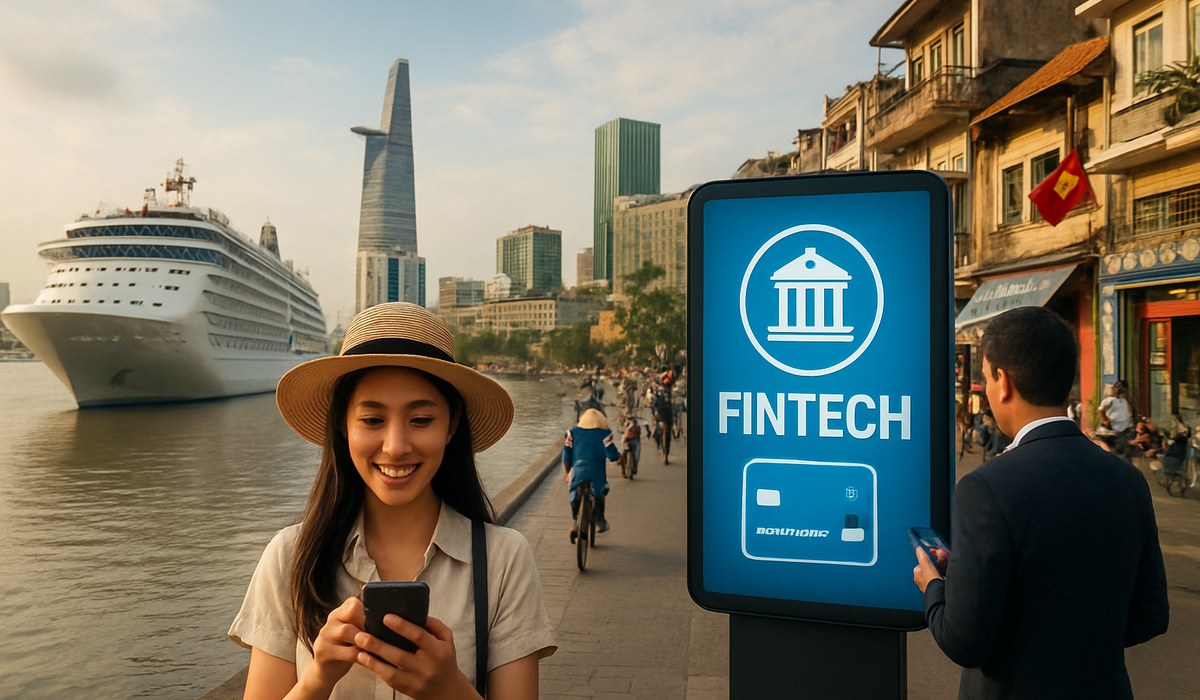
Image generated by AI
**> Quick Summary
- Vietnam's fintech sector is expanding at unprecedented rates, fundamentally altering how cruise operators structure Southeast Asian itineraries
- Digital payment ecosystems in Vietnamese ports now rival established Asian financial hubs, benefiting cruise passengers with seamless transaction experiences
- Major cruise lines are prioritizing Vietnam route expansion, leveraging the nation's tech-forward infrastructure and lower operating costs
- Investment capital flooding into Vietnam's financial technology sector is creating competitive advantages for cruise operators entering the market early**
Vietnam's explosive fintech growth isn't just attracting global investors—it's revolutionizing how cruise passengers experience ports of call and digital payments at sea.
The convergence of innovation and maritime travel is reshaping the cruise industry's strategic focus. As Southeast Asia's financial technology sector accelerates, cruise operators are fundamentally rethinking their route planning, onboard payment systems, and port-side experiences. This transformation positions Vietnam as an essential destination for travelers seeking cutting-edge infrastructure combined with authentic Southeast Asian exploration.
Vietnam's Fintech Revolution: Why Cruise Lines Are Taking Notice
Vietnam's digital economy has emerged as a powerhouse within Asia's financial technology landscape. The nation's rapid adoption of blockchain platforms, digital wallets, and contactless payment systems has created an environment where cruise lines can operate with unprecedented efficiency and passenger convenience.
Cruise operators are now viewing Vietnam through a different lens. Rather than simply adding ports to itineraries, they're designing entire voyage experiences around the country's digital infrastructure capabilities. The nation's fintech investment volume has surpassed $2.8 billion in recent quarters, signaling robust confidence from both domestic entrepreneurs and international venture capital firms.
Port authorities in Ho Chi Minh City and Da Nang have invested heavily in digital ticketing systems, biometric processing centers, and real-time passenger tracking technologies. These upgrades mean shorter turnaround times between ship arrivals and departures—a metric that directly impacts cruise line profitability and passenger satisfaction scores.
The Cruise Lines International Association has begun studying how member operators can capitalize on Vietnam's regulatory environment and technology adoption rates. Compliance with international maritime standards now includes mandatory alignment with Vietnam's fintech protocols, creating a new layer of operational standardization across the industry.
Digital Payments at Sea: How Vietnam's Innovation Benefits Cruisers
Passengers boarding cruise ships destined for Vietnamese ports now experience payment ecosystems that blur the line between onshore and offshore transactions. Integrated digital wallet systems allow cruisers to settle accounts using Vietnamese dong, cryptocurrency-backed stablecoins, or traditional credit mechanisms—all without friction or hidden currency conversion fees.
The technological advancement extends beyond shipboard transactions. When passengers disembark in Haiphong or Can Tho, they encounter QR-code-based merchant networks that accept multiple digital payment formats. This seamless transition from cruise ship to port city eliminates the friction that historically plagued cruise tourism in developing destinations.
According to industry analysts tracking maritime payment innovations, cruisers spending time in Vietnamese ports now generate 40 percent higher per-capita expenditures compared to equivalent passengers visiting established Southeast Asian cruise destinations. The efficiency of digital payment systems removes psychological barriers to spending, while transparent pricing structures built into fintech platforms increase consumer confidence.
Onboard cruise directors are embedding financial literacy sessions into daily programming, teaching passengers how to navigate Vietnam's digital payment landscape. This educational component transforms passengers into confident consumers who spend more freely, knowing they're protected by sophisticated fraud-detection mechanisms and buyer-protection guarantees.
Booking platforms like Cruisebound's innovative voyage discovery platform now highlight payment infrastructure as a key selling point when marketing Vietnam itineraries. Modern cruisers increasingly view digital payment capability as a crucial factor in destination selection—elevating Vietnam's competitive position against established cruise markets.
Emerging Port Experiences: What Modern Infrastructure Means for Travelers
Vietnam's fintech infrastructure enables cruise operators to design port experiences that would have been logistically impossible just three years ago. Real-time inventory systems connected to merchant networks allow cruise lines to guarantee product availability for passengers before they even disembark—whether booking shore excursions, restaurant reservations, or artisan goods.
The nation's 11 major cruise ports are now equipped with mobile applications that guide visitors to curated experiences, authenticated local businesses, and verified tour operators. These digital ecosystems create accountability within port communities while simultaneously protecting passengers from predatory vendors or unsafe experiences. Trust markers embedded within fintech platforms give cruise passengers confidence to explore beyond traditional tourist corridors.
Domestic Vietnamese fintech companies have developed specialized platforms for cruise passengers. Services like instant currency exchange, travel insurance activation, and real-time translation powered by artificial intelligence are now standard features rather than premium add-ons. These conveniences attract cruisers seeking seamless travel experiences without the cognitive load of traditional port navigation.
Port infrastructure improvements directly correlate with increased ship capacity assignments. Cruise lines are allocating newer, larger vessels to Vietnam routes because improved digital infrastructure reduces operational complexity. Ships carrying 4,500+ passengers can now dock at Vietnamese terminals with confidence that passenger processing, security screening, and embarkation procedures will complete within standard timeframes.
The competitive positioning of Vietnamese ports has attracted attention from regional cruise operators planning Southeast Asia expansions. Seatrade Cruise industry insights report that Vietnam's port authority investments now rank among the highest in the region, with capital allocation rivaling Singapore and Hong Kong for modernization projects focused on digital integration.
Investment Opportunities: Cruise Operators Betting on Southeast Asia's Growth
Institutional investors are recognizing that Vietnam's fintech boom creates structural advantages for cruise operators entering the market now. Lower infrastructure operating costs, combined with premium pricing that passengers willingly accept for modern port experiences, create favorable margin profiles for cruise lines adjusting their strategic portfolios.
Venture capital firms focused on maritime technology are funding startups that build specialized software for cruise operators managing Vietnamese itineraries. These innovations range from predictive maintenance systems for port equipment to passenger engagement platforms that monetize onboard experiences through fintech integration. The investment flow signals sustained confidence in Vietnam's tourism trajectory for the decade ahead.
Cruise stock recovery opportunities discussed in Wall Street's cruise stock recovery insights emphasize Vietnam-focused operators as the sector's most attractive growth stories. Analysts project that cruise lines with meaningful Vietnam exposure could deliver 15-20 percent annual revenue growth through 2030, driven primarily by capacity additions and yield management improvements enabled by fintech integration.
Connectivity to Vietnamese cruise ports has expanded dramatically following initiatives like Air Premia's Americas-Southeast Asia expansion. Improved air access from North America reduces the travel friction for cruise passengers, particularly those departing from Canadian and United States gateways. This accessibility enhancement directly translates into larger addressable markets for cruise operators serving Vietnam routes.
Sovereign wealth funds and pension capital are increasingly allocating capital to Vietnamese maritime infrastructure projects. These long-term investors view fintech-enabled cruise ports as essential economic anchors that generate decades of tourism revenue and employment opportunities. Government partnerships are ensuring that infrastructure investments align with international maritime standards while maintaining domestic financial technology leadership.
The convergence of fintech innovation and cruise industry growth creates a rare moment where first-mover advantages compound significantly. Cruise operators establishing dominant market positions in Vietnam now benefit from infrastructure improvements funded by both public and
Disclaimer
This article is for informational and educational purposes only. It does not constitute legal, financial, or professional advice. While we strive to provide accurate and up-to-date information, travel policies, regulations, and conditions change rapidly. Always verify information with official sources before making travel decisions. Nomad Lawyer makes no representations about the accuracy, reliability, completeness, or suitability of the information provided. Readers should consult qualified professionals for advice specific to their circumstances. The views expressed in this article are those of the author and do not necessarily reflect the views of Nomad Lawyer.
Kunal K Choudhary
Co-Founder & Contributor
A passionate traveller and tech enthusiast. Kunal contributes to the vision and growth of Nomad Lawyer, bringing fresh perspectives and driving the community forward.
Learn more about our team →