
Vietnam’s Aviation Game-Changer: Foreign Ownership Cap in Airlines Set to Soar to 49% Unlocking Massive Global Tourism Growth in 2026
Vietnam is proposing to increase the foreign ownership cap in domestic airlines from 34% to 49%, a historic policy shift that promises to revolutionize the nation's aviation industry and boost international travel.

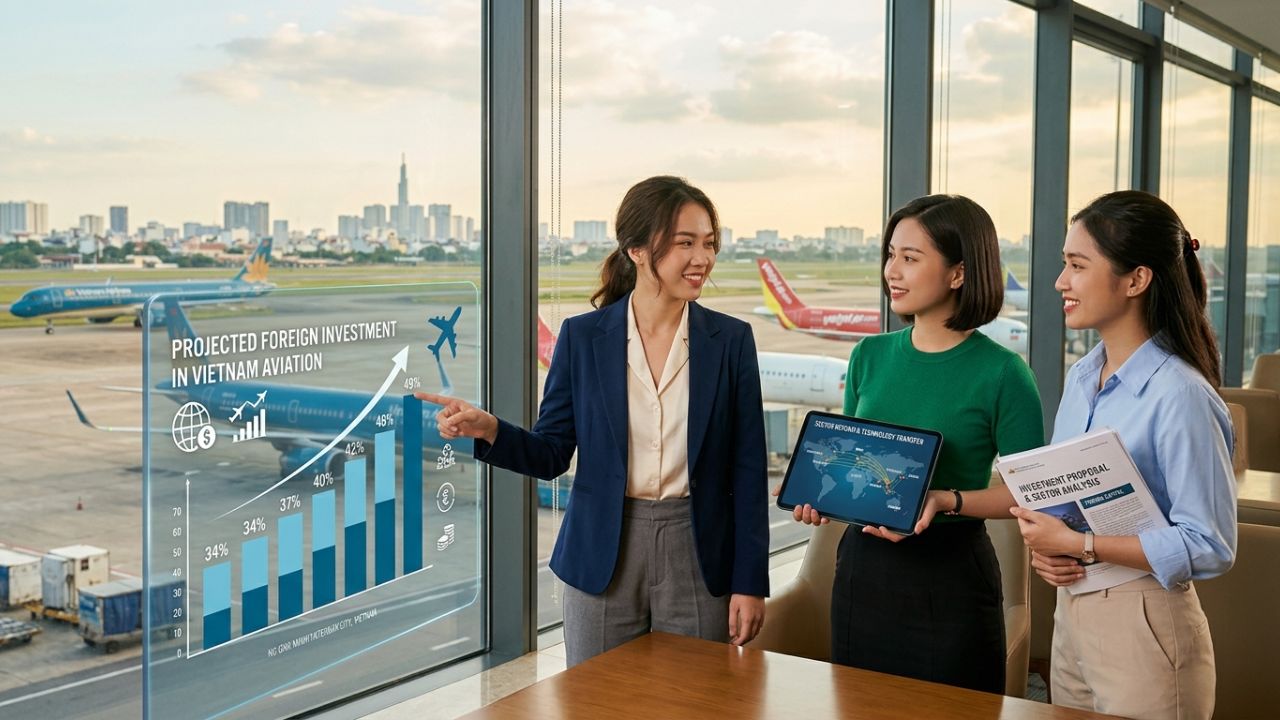
Image generated by AI
Vietnam’s Aviation Game-Changer: Foreign Ownership Cap in Airlines Set to Soar to 49% Unlocking Massive Global Tourism Growth in 2026
Published on May 13, 2026
The dynamic skies over Southeast Asia are preparing for a massive, unprecedented economic transformation. In a bold strategic move that promises to fundamentally revolutionize regional travel, Vietnam’s Ministry of Construction has introduced a draft decree aiming to aggressively raise the foreign ownership cap in domestic airlines from 34% to a sweeping 49%. For international travelers and global aviation conglomerates alike, this is an undeniable watershed moment. As Vietnam rapidly cements its status as one of the world's most breathtaking and fastest-growing tourism hotspots, local carriers like Vietnam Airlines, VietJet Air, and Bamboo Airways have been fiercely fighting to expand their fleets and modernize operations to meet explosive passenger demand. By unlocking this critical 49% ownership threshold, Vietnam is officially opening the floodgates to billion-dollar international investments, advanced aviation technologies, and fierce global competition. For travelers dreaming of exploring the emerald limestone karsts of Ha Long Bay or the vibrant, historic streets of Ho Chi Minh City, this landmark policy shift ultimately guarantees one thing: vastly more flight options, elevated world-class hospitality, and a radically improved, seamless travel experience across the Vietnamese skies.
Quick Summary:
- Vietnam has proposed a landmark regulatory decree to drastically increase the foreign ownership cap in domestic airlines from 34% to 49%, paving the way for massive international investment.
- The sweeping policy shift aims to align Vietnam’s booming aviation sector with complex global free trade agreements while injecting critical, billion-dollar capital into the industry.
- Major national carriers, including Vietnam Airlines, VietJet Air, and Bamboo Airways, stand to benefit from massive financial influxes, allowing for urgent fleet modernization and network expansion.
- The government strictly mandates that domestic shareholders will retain at least 51% ownership, ensuring uncompromised national security and sovereign control over critical aviation infrastructure.
- Foreign investment will facilitate the rapid transfer of advanced operational technologies, radically improving flight safety, customer service protocols, and digital booking platforms.
- Global travelers can anticipate a highly competitive market resulting in expanded international route networks, luxurious in-flight amenities, and potentially lower passenger fares.
The Financial Lifeline: Why Vietnamese Airlines Need Foreign Capital Now
Aviation is notoriously one of the most capital-intensive industries on the planet. For years, the strict 34% foreign ownership cap has acted as a financial ceiling, restricting the flow of massive global capital into Vietnam's airlines.
Today, Vietnamese carriers are facing a perfect storm: the soaring, highly volatile cost of global jet fuel, intense competition from dominant Middle Eastern and neighboring Southeast Asian mega-carriers, and the desperate, urgent need to purchase fuel-efficient, next-generation aircraft to remain globally competitive. The current 34% limit makes it exceedingly difficult to attract major strategic partners like global airline groups or massive institutional investors who demand a larger equity stake in exchange for their billion-dollar investments.
Raising the cap to 49% is not merely a bureaucratic adjustment; it is a vital financial lifeline. It provides airlines with the massive influx of stable, long-term foreign capital required to survive the brutal economics of modern aviation and aggressively expand their global footprint.
Who Owns What? The Current State of Vietnam's Aviation Market
To understand the magnitude of this shift, one must look at the current ownership landscape of Vietnam's highly competitive aviation market.
Vietnam Airlines, the proud national flag carrier, is overwhelmingly state-controlled. While Japan’s ANA Holdings currently holds a minority stake (approximately 5-9%), the airline's growth has been tethered to state resources. A 49% cap allows the airline to seek secondary, massive international partners without the government losing majority control.
VietJet Air, the incredibly successful private low-cost carrier owned by Sovico Holdings, currently sits well below the old 34% threshold (hovering around 17% foreign ownership in recent years). Unlocking the 49% limit could allow VietJet to bring in a massive global partner, supercharging its already aggressive international route expansion across India, Australia, and Northeast Asia.
Bamboo Airways, which has undergone intense corporate restructuring, would similarly benefit from fresh, unrestricted foreign capital, allowing the boutique carrier to stabilize its operations and resume its focus on premium, full-service travel.
Upgrading the Sky: How Global Tech Will Transform Your Flight
When a massive international aviation group buys a 49% stake in a Vietnamese airline, they bring more than just cash—they bring decades of cutting-edge technological expertise. This "transfer of knowledge" is the hidden goldmine of the proposed decree.
Travelers will feel this impact directly. Foreign investment will fast-track the implementation of highly sophisticated fleet management algorithms, dramatically reducing frustrating flight delays and mechanical cancellations. Passengers can expect entirely revamped digital ecosystems, featuring seamless, user-friendly mobile booking apps, AI-driven customer service platforms, and highly lucrative, globally integrated frequent flyer programs.
Furthermore, the infusion of foreign capital will accelerate the purchase of modern aircraft like the Boeing 787 Dreamliner and the Airbus A350, offering passengers quieter cabins, better cabin pressure, and a vastly superior, luxurious in-flight experience.
The Delicate Balance: Safeguarding Vietnam's National Control
A 49% foreign ownership limit is the absolute maximum threshold before an airline loses its national identity. The Vietnamese government has meticulously designed this decree to ensure that sovereign control of the skies remains strictly in Hanoi.
By legally requiring domestic entities to hold at least 51% of the charter capital, the state ensures that the ultimate decision-making power remains domestic. Furthermore, the decree will likely mandate that critical board seats, including the CEO and Chairman positions, are reserved for Vietnamese citizens. This guarantees that while foreign investors can optimize operations and drive profitability, they cannot dictate national security policies or abruptly shut down unprofitable but socially vital domestic routes to remote provinces.
The Ultimate Winner: What This Means for International Travelers
For the tourist planning a dream destination getaway to Vietnam in 2026 or beyond, the 49% cap is spectacular news.
Increased foreign ownership inherently breeds fierce market competition. As Vietnamese airlines become financially muscular, they will aggressively expand their international networks. Travelers can expect a surge in direct, non-stop flights connecting major global hubs in Europe, North America, and Australia directly to Vietnamese hotspots like Da Nang, Phu Quoc, and Nha Trang, completely bypassing the need to transit through Bangkok or Singapore.
Moreover, foreign strategic partners often facilitate powerful code-share agreements and seamless integration into major airline alliances (like Star Alliance or Oneworld). Ultimately, this translates to better connectivity, world-class hospitality, and a highly competitive pricing environment, ensuring that the magic of Vietnam remains accessible to travelers worldwide.
Guide for Travelers:
- Expanded Route Networks: Keep a close eye on route announcements from VietJet and Vietnam Airlines over the next 12 months. Expect to see significant increases in direct flights from secondary cities in Australia, India, and Europe.
- Choosing Your Carrier: Use VietJet Air or Pacific Airlines for ultra-affordable, no-frills hops between domestic cities like Hanoi and Ho Chi Minh City. Opt for Vietnam Airlines or Bamboo Airways for premium, full-service luxury on longer regional sectors.
- Best Time to Visit: To experience the best of Vietnam's diverse climate, plan your trip during the spring (February to April) or autumn (August to October). You will avoid the intense summer monsoon rains and enjoy spectacular, comfortable weather across the country.
- Must-Do Activities: Do not miss an overnight luxury cruise through the towering limestone islands of Ha Long Bay, cycling through the lantern-lit, ancient streets of Hoi An, or exploring the incredible, winding waterways of the Mekong Delta.
- Visa Requirements: Vietnam has aggressively expanded its e-Visa program. Most international tourists can now easily apply for a 90-day multiple-entry e-Visa online, significantly simplifying the travel planning process.
Related Travel Guides
- Discover Ultimate Comfort at Guangzhou Baiyun Airport’s New Star Alliance Lounge
- Singapore and Asia-Pacific Face Sharp Airfare Fluctuations in 2026
- Royal Jordanian Airlines Launches Direct Flights from Amman to Dallas Ahead of the World Cup
The proposed increase in Vietnam’s foreign ownership cap from 34% to 49% is far more than a dry regulatory adjustment; it is the ignition switch for the next great era of Southeast Asian aviation. By boldly inviting the world to invest in its skies, Vietnam is equipping its national carriers with the massive financial firepower and technological brilliance required to dominate the regional market. For a nation that is already universally recognized as a premier, bucket-list dream destination, a modernized, highly competitive aviation sector is the final piece of the tourism puzzle. As the decree moves toward codification, international travelers stand to be the ultimate beneficiaries. With the promise of expanded flight routes, luxurious new aircraft, and deeply integrated global networks, the journey to discover the breathtaking beauty, profound history, and world-class hospitality of Vietnam is about to become more effortless, affordable, and spectacular than ever before.
Disclaimer
This article is for informational and educational purposes only. It does not constitute legal, financial, or professional advice. While we strive to provide accurate and up-to-date information, travel policies, regulations, and conditions change rapidly. Always verify information with official sources before making travel decisions. Nomad Lawyer makes no representations about the accuracy, reliability, completeness, or suitability of the information provided. Readers should consult qualified professionals for advice specific to their circumstances. The views expressed in this article are those of the author and do not necessarily reflect the views of Nomad Lawyer.
Kunal K Choudhary
Co-Founder & Contributor
A passionate traveller and tech enthusiast. Kunal contributes to the vision and growth of Nomad Lawyer, bringing fresh perspectives and driving the community forward.
Learn more about our team →