
How Vienna is Leading a Global Sustainable Tourism Reform Through a Major Accommodation Tax Increase Starting in 2027
Vienna prepares for a significant accommodation tax increase starting in 2027, aligning with a global trend of tourist tax reforms to protect historic destinations.

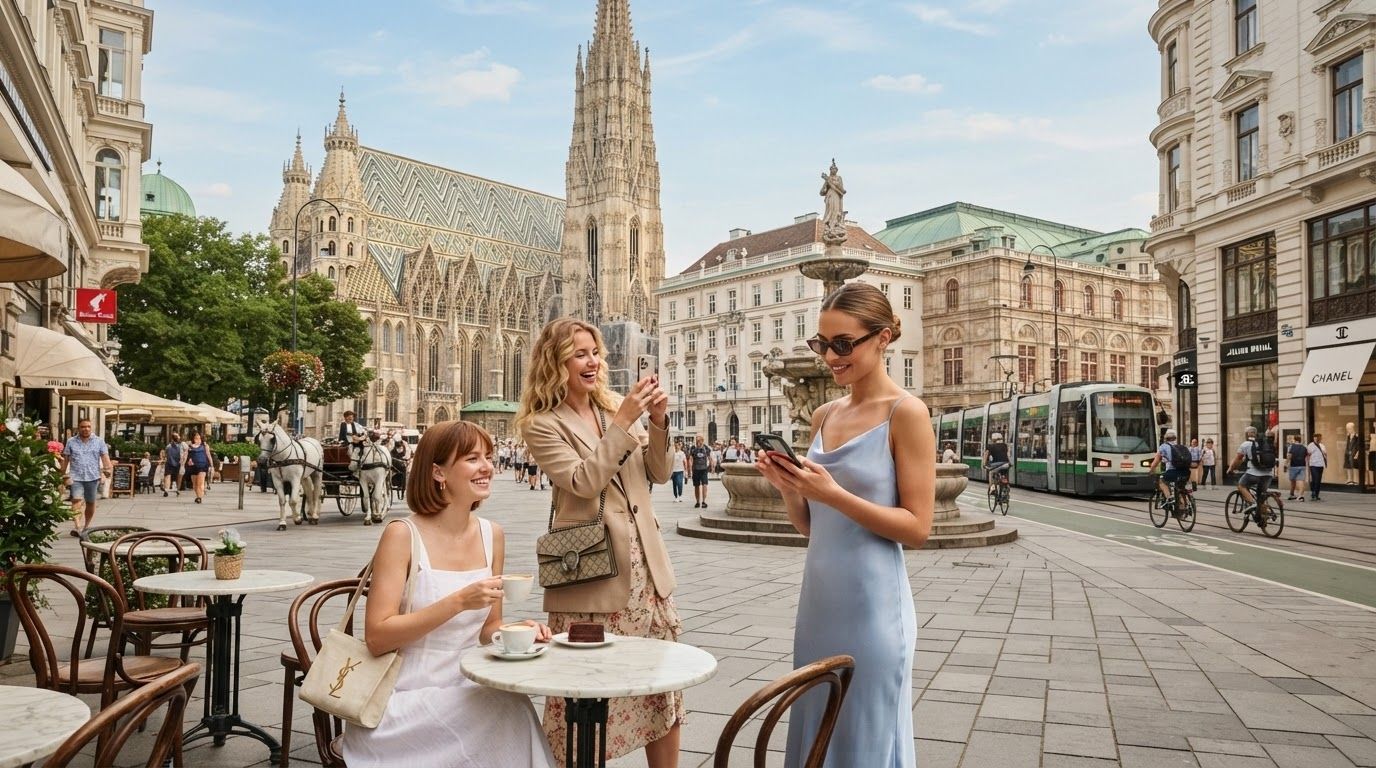
Image generated by AI
Published on July 14, 2026
Vienna is introducing a significant accommodation tax increase starting in 2027, joining a global shift toward sustainable tourism funding. By reinvesting visitor revenue into heritage preservation and public infrastructure, the Austrian capital aligns with destinations worldwide seeking to manage overtourism.
International tourism is entering a new phase as local governments utilize visitor levies to balance economic growth with environmental sustainability. Vienna has announced a substantial increase in its accommodation tax beginning in 2027 to help maintain its historic landmarks, improve public transport, and preserve the quality of life for local residents. This policy matches similar measures across Italy, the Netherlands, Japan, Spain, Greece, Romania, and Ireland, where tourism taxes are becoming a standard mechanism for funding destination management.
The Local Trend Revealed
The tourist tax reform is designed to turn visitor volumes into direct funding for urban preservation. In Vienna, the additional revenue will finance public transit, environmental initiatives, and heritage conservation in its UNESCO-listed historic center.
This strategy is part of a broader global trend targeting overtourism and infrastructure funding. The following table compares the different tourist tax measures currently deployed or proposed across key international destinations:
| Country / Destination | Tourist Tax Measure | Purpose | Similarity with Vienna |
|---|---|---|---|
| Austria (Vienna) | Accommodation tax to rise significantly by 2027 | Infrastructure, destination management, sustainable tourism | Leading example of premium urban tourism funding |
| Italy | Venice entry fee and higher city accommodation taxes | Manage overtourism and protect heritage | Focus on balancing visitor numbers with preservation |
| Netherlands | Amsterdam increases overnight tourist tax | Reduce overtourism and improve city services | Premium city tourism supported by higher visitor contributions |
| Japan | Departure tax and Kyoto’s higher hotel taxes | Improve tourism infrastructure amid record arrivals | Investing tourism revenue back into destinations |
| Spain | Barcelona and Catalonia increase tourist taxes | Support local services and manage crowds | Similar focus on sustainable urban tourism |
| Greece | Climate resilience and accommodation taxes | Environmental protection and tourism infrastructure | Visitor fees funding long-term sustainability |
| Romania | New accommodation tax introduced in Bucharest | Tourism development and city maintenance | Emerging destination adopting European tourism tax model |
| Ireland | Proposed overnight tourist tax | Support tourism infrastructure in major cities | Preparing for growing visitor demand through new funding |
By directing visitor fees into local preservation, these destinations ensure that their unique cultural and natural assets remain protected.
Cultural & Environmental Value (Information Gain)
The transition toward higher visitor taxes supports the long-term conservation of regional ecosystems and historic neighborhoods. In Greece, tourism levies fund climate resilience initiatives, including forest protection and infrastructure upgrades to manage the impact of wildfires. In Venice, the entry fee helps manage visitor flow in a fragile canal ecosystem.
For Vienna, the new tax framework matches the city's commitment to sustainable urban development. Revenue from the accommodation tax helps fund low-emission public transportation and public park maintenance, reducing the environmental footprint of tourism.
Additionally, this funding model supports the local economy by ensuring that municipal services are not overwhelmed by rising passenger volumes. Reinvesting this income into public spaces directly benefits local businesses, traditional artisans, and cultural institutions, creating a balanced relationship between visitors and the host community.
Visitor Insider Tips
For travelers planning a European city break, these local tips will help you manage these policy changes:
- Factor Taxes Into Your Budget: Tourist taxes are often paid directly to the accommodation provider upon checkout rather than included in the initial booking price. Be sure to check the specific tax rate for your accommodation category.
- Travel During Shoulder Seasons: Plan your visit to Vienna during the off-peak shoulder months of April to May or September to October. You will experience fewer crowds at popular attractions like Schönbrunn Palace and enjoy lower seasonal rates.
- Support Local Trattorias and Gasthäuser: When dining out, support family-owned culinary businesses. Try local specialties like Wiener Schnitzel (breaded veal cutlet) or traditional beef dishes like Tafelspitz in neighborhood taverns to ensure your money stays in the local economy.
- Utilize Public Transit: Vienna's public transportation network is highly efficient and funded in part by tourism revenues. Buy a multi-day transit pass to explore the city sustainably.
- Explore Historic Sites Mindfully: Respect local regulations when visiting historic cathedrals, museums, and imperial palaces. Follow guidelines regarding noise levels, photography, and conservation.
Tourism Outlook
The introduction of higher visitor taxes in Vienna reflects a global evolution in destination management, where quality and resilience are prioritized over unlimited visitor growth. Reinvesting this revenue will help ensure that historic capitals remain clean, accessible, and well-preserved.
In the coming years, tourist taxes will transition from an occasional fee to a standard global travel expectation. Destinations that successfully communicate the value of these contributions and transparently reinvest them into sustainable infrastructure will maintain their competitiveness, protecting their cultural heritage for future generations.
Related Travel Guides
Disclaimer
This article is for informational and educational purposes only. It does not constitute legal, financial, or professional advice. While we strive to provide accurate and up-to-date information, travel policies, regulations, and conditions change rapidly. Always verify information with official sources before making travel decisions. Nomad Lawyer makes no representations about the accuracy, reliability, completeness, or suitability of the information provided. Readers should consult qualified professionals for advice specific to their circumstances. The views expressed in this article are those of the author and do not necessarily reflect the views of Nomad Lawyer.
Kunal K Choudhary
Co-Founder & Contributor
A passionate traveller and tech enthusiast. Kunal contributes to the vision and growth of Nomad Lawyer, bringing fresh perspectives and driving the community forward.
Learn more about our team →