
Venezuela Earthquake Travel Alert NOW as US Reconsiders Travel Advisory in Latest Global Safety Update
US officials are reassessing Venezuela travel advisories following powerful earthquakes. Learn about infrastructure dama

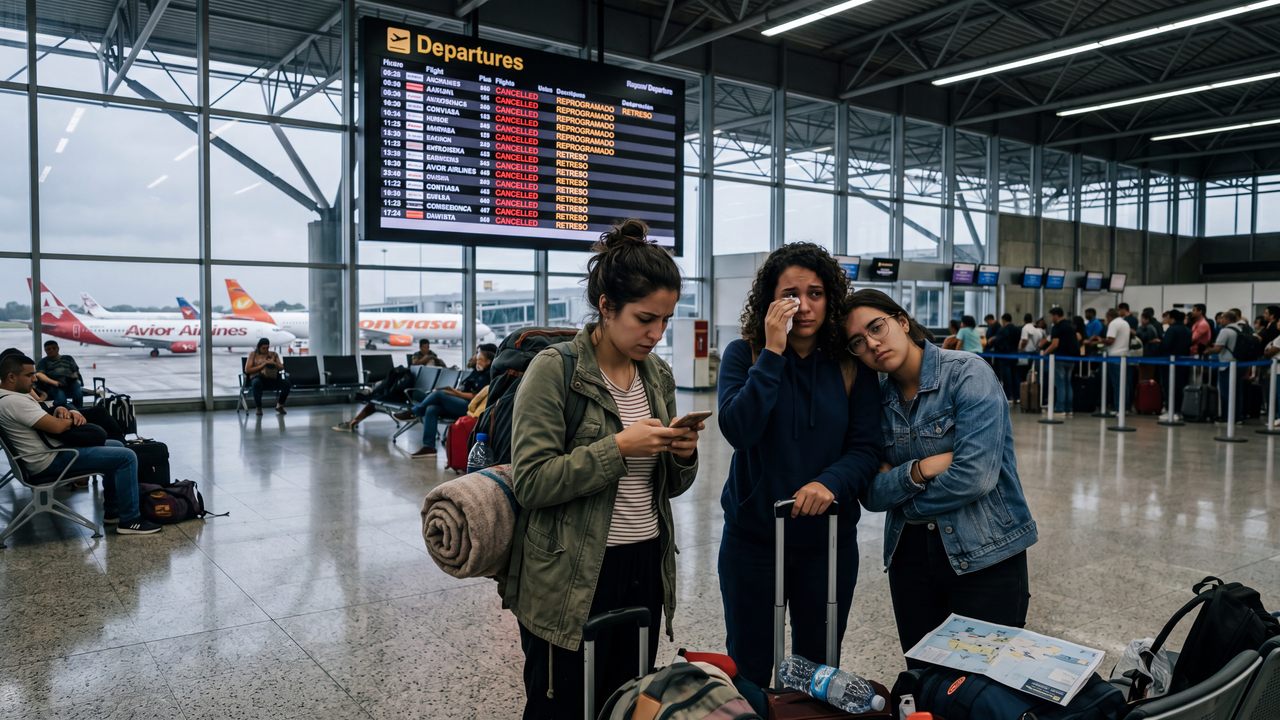
Image generated by AI
[Caracas, June 28, 2026] — The United States is currently re-evaluating its travel guidance for Venezuela following a series of high-magnitude earthquakes that have caused extensive damage across several regions. The seismic events have introduced critical natural disaster risks to a destination already classified under a Level 3 “Reconsider Travel” warning by the US Department of State due to persistent political volatility and high crime rates.
Seismic Activity Intensifies Existing Security Risks in Venezuela
The current situation in Venezuela represents a compounding crisis where environmental disasters overlap with long-term institutional instability. While the US Department of State has historically cautioned citizens against visiting the region—citing limited consular capabilities and systemic security concerns—the recent earthquakes have added a layer of physical danger.
According to data provided by the US Geological Survey (USGS), the tremors have impacted both densely populated urban centers and coastal zones. This widespread activity has placed immense pressure on a national infrastructure that was already fragile, leading to reports of structural failures in key cities. Industry observers note that when a country facing political turmoil is hit by a natural disaster, the capacity for an effective emergency response is often severely diminished, further endangering foreign nationals.
Infrastructure Damage and Traveler Safety Concerns
The physical impact of the earthquakes has created significant hurdles for those currently within Venezuelan borders or planning to enter. Reports indicate that essential transport networks, including primary highways, bridges, and regional airport facilities, have suffered varying degrees of damage.
For international visitors, this translates into several immediate risks:
- Restricted Mobility: Damaged roadways may prevent travel between cities or leave travelers stranded in remote areas.
- Medical Emergencies: The scale of the destruction has stretched emergency medical services to their breaking point, meaning immediate care for travelers may be unavailable.
- Consular Limitations: With infrastructure failing, the ability of foreign embassies to provide support or evacuation assistance is significantly hampered.
Because of these intersecting threats, government authorities are strongly advising against all non-essential travel to the country until a comprehensive safety assessment is completed and conditions stabilize.
Aviation Operations and Global Connectivity Disruptions
The aviation sector is currently monitoring the situation closely to determine the operational feasibility of flights into and out of the region. Connectivity to Venezuela was already constrained by previous geopolitical restrictions, but the seismic activity has introduced new uncertainties regarding runway integrity and terminal safety.
Aviation stakeholders are following protocols aligned with the International Civil Aviation Organization (ICAO) to assess whether airports in the affected zones can safely handle commercial traffic. Depending on the results of structural inspections and the frequency of aftershocks, some international carriers may opt to suspend routes or reduce flight frequencies.
This volatility extends to the insurance sector. Travel insurance providers are reportedly updating their coverage terms for Venezuela, as the combination of a natural disaster and existing political risk often triggers specific policy exclusions or premium hikes.
Essential Safety Guidelines for International Visitors
Government agencies and safety officials have issued a set of strict precautions for those who must travel to or are currently residing in the affected regions. The primary recommendation is to avoid all non-essential trips to the country.
For those who cannot avoid travel, officials suggest the following measures:
- Registration: Enroll in embassy alert systems to receive real-time security and safety notifications.
- Monitoring: Continuously track official government travel advisories rather than relying on unofficial reports.
- Insurance: Ensure that travel insurance policies specifically cover natural disasters and emergency medical evacuations in high-risk zones.
- Local Compliance: Adhere strictly to instructions provided by local emergency management authorities.
Individuals currently in Venezuela are urged to avoid damaged buildings and infrastructure and to remain in secure, verified locations until aftershocks subside.
Why This Matters: The Intersection of Environmental and Political Risk
The current crisis in Venezuela serves as a critical case study in the evolution of global travel risk management. Historically, travel advisories were primarily driven by political events, war, or health outbreaks. However, this event demonstrates a growing trend where "compound risks"—the simultaneous occurrence of a natural disaster and political instability—create a volatility that traditional safety frameworks are only beginning to integrate.
From an industry perspective, the reliance on real-time data from entities like the USGS and ICAO shows that travel safety is becoming more dynamic. When infrastructure is already compromised by economic decline, a single seismic event can effectively shut down a nation's tourism and transport capabilities overnight.
For the broader aviation and tourism industry, this highlights the necessity of adaptive risk strategies. The inability of a state to provide basic emergency services during a disaster significantly increases the liability for airlines and tour operators. This situation underscores that destination safety is no longer just about the absence of conflict, but about the resilience of the infrastructure to withstand environmental shocks.
Related Travel Guides
Disclaimer
This article is for informational and educational purposes only. It does not constitute legal, financial, or professional advice. While we strive to provide accurate and up-to-date information, travel policies, regulations, and conditions change rapidly. Always verify information with official sources before making travel decisions. Nomad Lawyer makes no representations about the accuracy, reliability, completeness, or suitability of the information provided. Readers should consult qualified professionals for advice specific to their circumstances. The views expressed in this article are those of the author and do not necessarily reflect the views of Nomad Lawyer.
Preeti Gunjan
Contributor & Community Manager
A passionate traveller and community builder. Preeti helps grow the Nomad Lawyer community, fostering engagement and bringing the reader experience to life.
Learn more about our team →