
Russia's Nuclear Warning Rattles Northern Europe Travel as NATO Arctic Expansion Reshapes Finland-Sweden Security in 2026
Russia escalates rhetoric over NATO's Arctic military presence in Finland and Sweden, triggering fresh travel security concerns across Northern Europe amid ongoing Ukraine conflict.

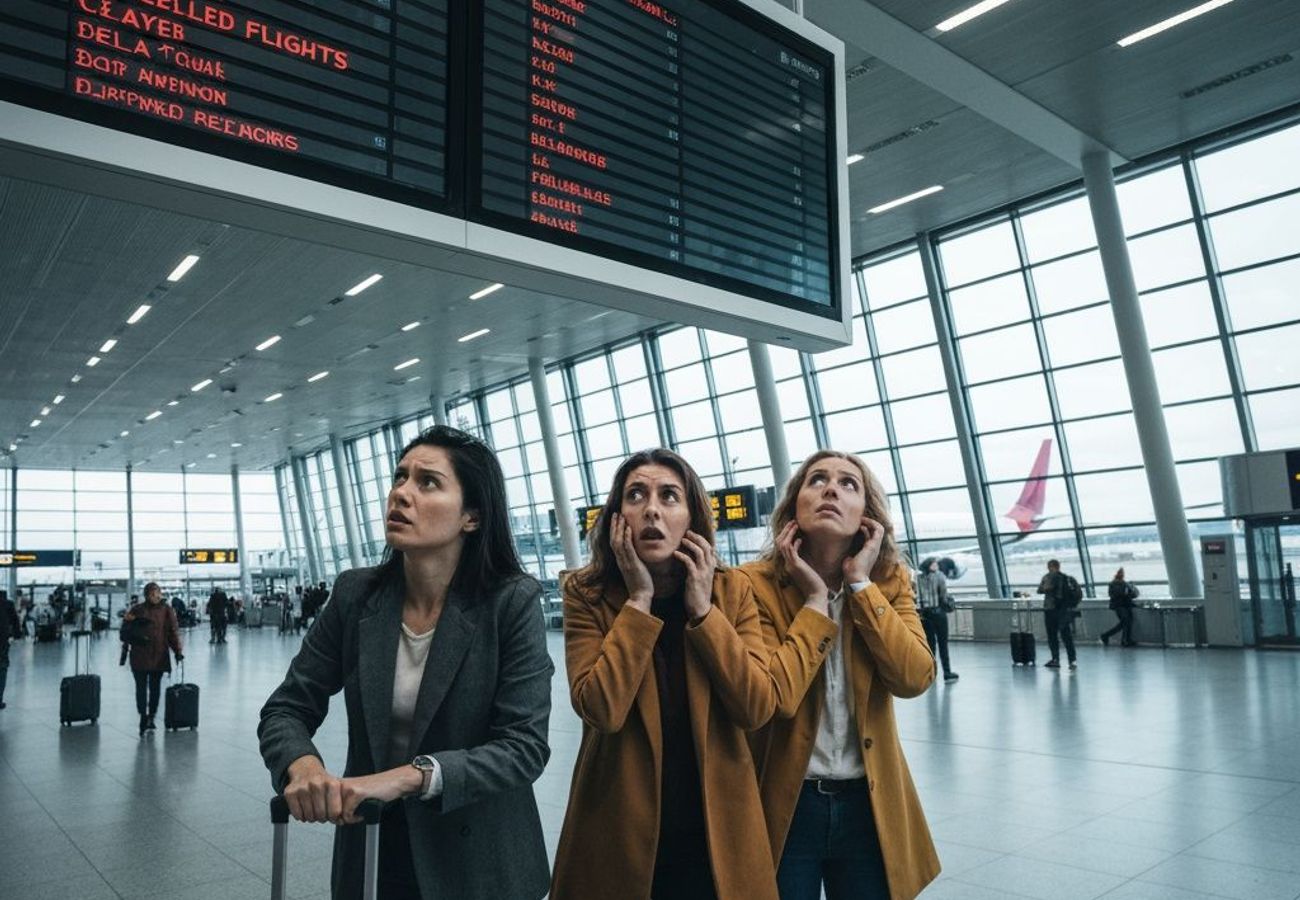
Image generated by AI
The Arctic just became the flashpoint no travel writer expected to be monitoring.
Russia has issued a stark nuclear warning to NATO following the alliance's expansion of military operations across Finland and Sweden, transforming the geopolitical calculus for Northern European travel and aviation. Moscow and Minsk have publicly signaled their willingness to employ "all available means" to counter what they characterize as threatening NATO activity in the region—language that immediately ripples through the global travel industry like a seismic warning.
I've covered geopolitical travel disruptions before, but this moment feels different. We're not talking about a localized conflict zone anymore. We're talking about nuclear-armed powers exchanging rhetoric over a region that sits at the crossroads of Arctic tourism, international aviation corridors, and some of Europe's most coveted destinations.
The Nuclear Rhetoric Lands Harder Than Most Realize
When major powers start invoking nuclear capabilities in public statements, the travel industry pays attention—regardless of whether direct restrictions follow.
Finland and Sweden, having freshly joined NATO, now occupy center stage in what Moscow views as an existential security challenge. The deployment of NATO's Forward Land Forces initiative across both nations has triggered the strongest Russian response in months. This isn't saber-rattling at the periphery; this is a direct warning about military posturing that directly affects territorial waters, airspace, and the geography through which international travel flows.
Reddit: "Is it safe to book a trip to Finland right now? The news is making me nervous about flying through the region." — r/travel
The psychological impact matters as much as the physical threat. Airlines, insurance companies, and tour operators have spent years cultivating Northern Europe as a premium, secure destination. Now, conversations about nuclear deterrence are shadowing that carefully crafted reputation. Traveler sentiment shifts long before actual danger materializes—and sentiment is shifting.
Arctic Tourism Was Booming. Now What?
The Arctic has become one of the world's fastest-growing tourism sectors. Northern Lights expeditions, Arctic cruise routes, winter adventure travel, and sustainable tourism initiatives have transformed remote Nordic regions into must-visit destinations for international travelers.
That growth trajectory suddenly faces headwinds.
Northern European tourism boards invested heavily in Arctic branding. Expedition companies expanded Arctic cruise capacity. Hotels built Arctic lodges. This infrastructure was built on the assumption of stable, predictable security conditions. Russian nuclear rhetoric doesn't directly cancel bookings—but it prompts corporate travel departments to reassess. It triggers travel insurance questions. It shifts perception from "pristine Arctic adventure" to "geopolitically sensitive zone."
The Forward Land Forces initiative in both Finland and Sweden means increased military visibility, enhanced security monitoring, and a general atmosphere of heightened alertness. Travelers seeking pristine wilderness experiences and untouched Arctic landscapes don't typically budget for NATO military exercises in their Instagram shots.
Ukraine's Shadow Still Looms Over European Travel
Beyond the Arctic headlines, Ukraine continues to burn through diplomatic channels and on the ground simultaneously.
President Volodymyr Zelensky has signaled openness to peace discussions, yet deadly attacks in Kharkiv persist. This dual reality—peace talks running parallel to active combat—creates the worst possible environment for European travel confidence. Investors and travelers don't know whether to plan for de-escalation or prepare for expansion of hostilities.
The ongoing conflict shapes aviation corridors, airspace management protocols, and insurance calculations across Eastern Europe. When combined with Arctic nuclear rhetoric, the cumulative effect is a European travel landscape defined by uncertainty at precisely the moment when summer and winter travel planning should be accelerating.
Learn more about current NATO military positioning and strategy to understand how Arctic operations fit into broader alliance architecture.
What This Means for the Travel Industry Right Now
Airlines operating through Northern European routes are monitoring airspace stability. Hospitality groups are modeling demand scenarios. Tour operators are recalibrating risk communications. Tourism boards are quietly preparing messaging strategies for a potentially skeptical international audience.
The critical threshold here: no travel restrictions have been announced. Commercial operations across Northern Europe remain fully functional. But the industry operates on perception as much as reality, and perceptions are shifting.
Consider the downstream effects. Tour operator cancellation policies may tighten. Travel insurance rates for Arctic destinations could increase. Corporate travel approval processes may slow. Media coverage of geopolitical tensions tends to suppress leisure travel demand, even when actual danger hasn't materialized.
Reddit: "Just canceled my Scandinavia trip. Too much uncertain geopolitical stuff happening. Reboking for next year when things hopefully settle." — r/expensivetravel
The Diplomatic Wildcard Still Matters
Here's the variable that offers some hope: diplomatic channels remain open.
Zelensky's continued engagement with peace intermediaries suggests that while rhetoric escalates, conversation doesn't cease. The travel industry has learned that diplomatic activity—even incremental diplomatic activity—tends to stabilize traveler confidence more effectively than military statements destabilize it.
International mediation efforts, ceasefire proposals, and direct negotiations between parties create a counternarrative to pure military escalation. As long as diplomacy remains active, the travel sector can reasonably project that conditions won't deteriorate into open pan-European conflict.
But that projection is fragile. One major diplomatic rupture or significant military escalation could rapidly reshape the travel landscape.
Northern Europe at the Crossroads
Finland and Sweden have transformed from neutral territories into active NATO strategic assets in roughly four years. That transformation has delivered security benefits from the alliance's perspective, but it's simultaneously elevated their geopolitical profile in ways that tourism authorities never anticipated.
The Arctic region now represents not just a tourism destination but a contested strategic zone. The Forward Land Forces initiative isn't just military theater; it's the physical manifestation of NATO's northeastern pivot. And Russia's nuclear warnings are the rhetorical acknowledgment that Moscow views this pivot as a fundamental threat.
For travelers evaluating Northern European trips for 2026 and beyond, this is the new context. Not dystopian or apocalyptic, but materially different from the stable travel environment these destinations enjoyed throughout the 2010s and early 2020s.
Explore geopolitical risk assessment frameworks used by security analysts to understand how countries evaluate regional stability.
The Industry Holds Its Breath
Aviation authorities continue monitoring. Hotels continue booking guests. Airlines continue operating. But the atmosphere has shifted.
The summer travel season typically represents peak demand for Northern European destinations. The winter season attracts Arctic-specific travelers. Both seasons now carry a layer of geopolitical uncertainty that professional travel advisors must acknowledge in conversations with clients.
That's not the same as recommending avoidance. But it is the same as recommending informed decision-making with open eyes about the broader context in which travel decisions are made.
The question for the next six months isn't whether Northern Europe remains accessible or visitable. The question is whether geopolitical rhetoric, military activity, and diplomatic negotiation combine to reshape traveler behavior, insurance pricing, and industry investment in a region that suddenly occupies strategic terrain it never expected to occupy.
Northern Europe's reputation as a safe travel destination just became more complex—and that complexity will define the industry's next chapter.
Related Travel Guides
Disclaimer
This article is for informational and educational purposes only. It does not constitute legal, financial, or professional advice. While we strive to provide accurate and up-to-date information, travel policies, regulations, and conditions change rapidly. Always verify information with official sources before making travel decisions. Nomad Lawyer makes no representations about the accuracy, reliability, completeness, or suitability of the information provided. Readers should consult qualified professionals for advice specific to their circumstances. The views expressed in this article are those of the author and do not necessarily reflect the views of Nomad Lawyer.
Kunal K Choudhary
Co-Founder & Contributor
A passionate traveller and tech enthusiast. Kunal contributes to the vision and growth of Nomad Lawyer, bringing fresh perspectives and driving the community forward.
Learn more about our team →