
Vancouver Braces for Record 290,000 Monthly Cruise Passengers in July-August 2026 as Alaska Demand Surges Across North America
Vancouver's Canada Place cruise terminal expects nearly 290,000 passengers monthly during peak summer 2026, marking its busiest season ever as Alaska cruises drive North American tourism momentum.

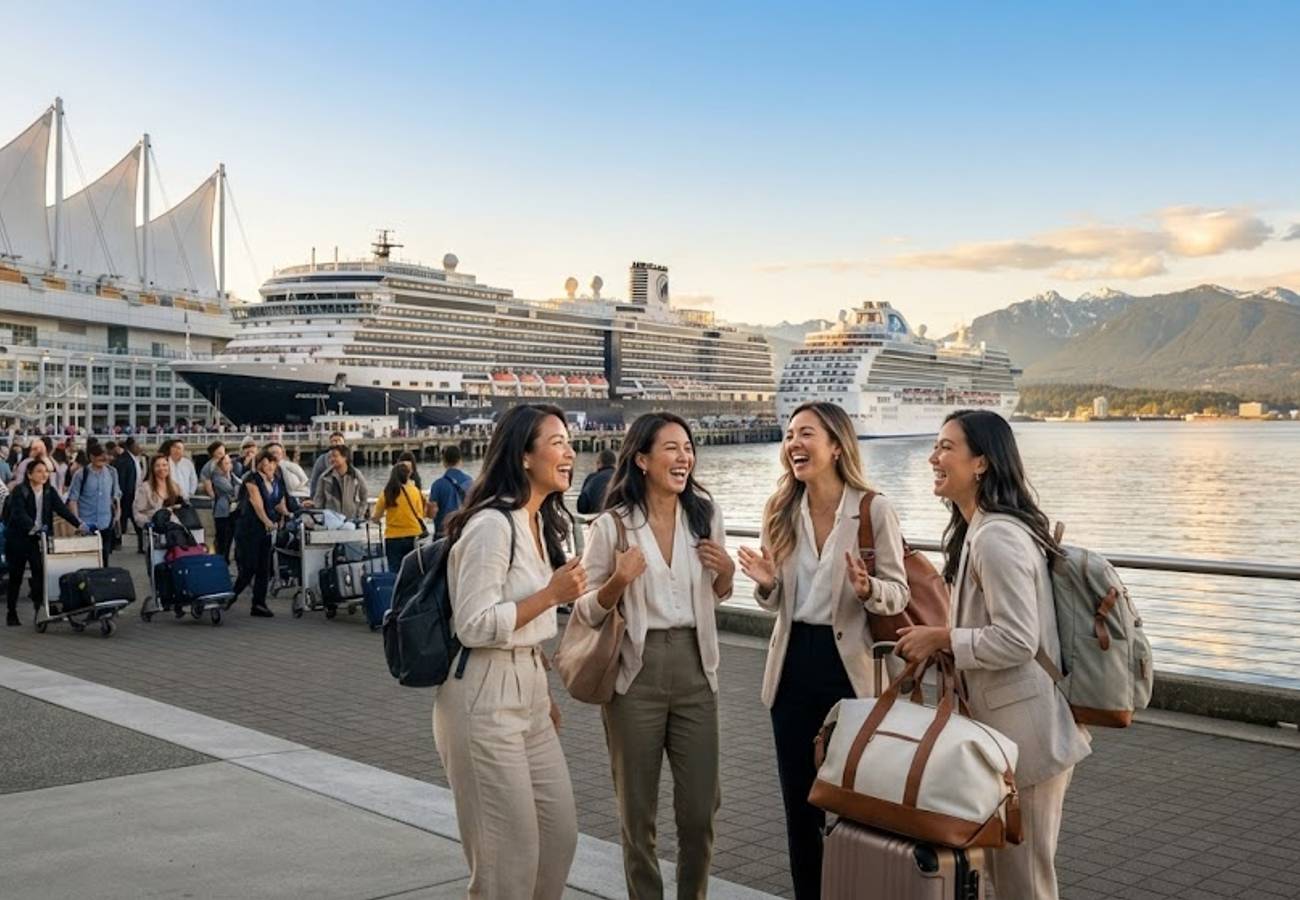
Image generated by AI
Vancouver is about to experience one of the most explosive cruise tourism seasons in its history. The Port of Vancouver is projecting nearly 290,000 cruise passengers will pass through Canada Place during July 2026 alone—with August expected to match that unprecedented volume. This isn't just a local story; it signals something far larger happening across North American cruise markets.
The surge reflects a fundamental shift in how travellers plan their holidays. It's not simply about boarding a ship anymore. Passengers are extending stays before and after cruises, exploring British Columbia, visiting neighbouring regions in Alaska, Washington, California, Yukon, and Hawaii, and spending substantially more money across the entire region.
Alaska Cruises Remain the Dominant Growth Engine
Alaska has never been more popular. The Inside Passage, with its glacier-carved fjords and remote wilderness, continues attracting cruise passengers from across North America and international markets at unprecedented rates. Cruise Lines International Association data consistently shows Alaska as one of the top three cruise destinations globally.
Holland America Line, Seabourn, and Princess Cruises are all expanding their Vancouver deployments for 2026. Princess alone is operating seven ships from Vancouver this season, the largest Alaska deployment in the company's history. These aren't minor adjustments—they represent sustained confidence in Vancouver's infrastructure and passenger processing capabilities.
Reddit: "The crowds at Canada Place are insane this summer, but honestly worth it if you're heading to Alaska. Just arrive early." — r/cruise
What 290,000 Monthly Passengers Actually Means
To contextualize these numbers: Canada Place expects to process nearly 290,000 passengers in July, then repeat that volume in August. Over 12 months, the port forecasts 1.4 million total cruise passenger visits—a roughly 30% increase compared to 2019, before the pandemic disrupted global travel.
The terminal will also welcome approximately 360 cruise ship calls throughout 2026. That's roughly one major cruise vessel arriving or departing nearly every day during peak season.
For travellers, this means airports get congested, hotels fill up faster, and ground transportation becomes competitive. But it also means more itinerary options, newer ships with upgraded amenities, and a thriving local economy ready to welcome visitors.
The Extended Stay Revolution
Here's what's shifting the economics: more than 75% of cruise passengers now spend time in Vancouver before or after their voyage. Compare that to roughly 70% in 2023, and you see a clear trend emerging. Travellers are no longer treating Vancouver as a mere boarding point—they're discovering it as a destination.
This behavioural change is driving hotel occupancy, restaurant bookings, retail spending, and attraction visits across the entire region. A passenger spending three extra days in Vancouver generates far more economic activity than someone who arrives hours before embarkation.
Port Operations Scale Up to Meet Demand
The Port of Vancouver isn't sitting passively. The terminal continues investing in infrastructure, operational efficiency, and sustainable cruise practices. Collaboration between cruise operators, tourism organizations, and local partners aims to balance explosive growth with community interests and long-term destination planning.
Port of Vancouver's official sustainability initiatives detail their environmental commitments alongside capacity expansion. This dual focus—growth without compromising responsibility—sets Vancouver apart from cruise hubs that prioritize volume over impact.
What This Means for Summer Travellers
If you're booking a Vancouver departure for July or August 2026, arrive earlier than you normally would. Airport transfers will be busier. Hotel availability diminishes weeks in advance. Allow extra time for cruise terminal processing, even with expanded operations.
The upside: you'll have unprecedented itinerary variety. Holland America's expanded Asia and South Pacific sailings alongside traditional Alaska routes. Seabourn Encore sailing from Vancouver for the first time. Princess Cruises running seven Alaska ships—more options than most travellers realize exist.
The Broader North American Cruise Landscape
Vancouver's record season reflects healthier cruise demand across North America. The industry exceeded pre-pandemic passenger volumes, demonstrating that pandemic-era predictions of "cruise travel collapse" were wildly inaccurate. Instead, demand has consolidated around premium destinations and established gateways.
Alaska, in particular, benefits from three factors: scenic unparalleled natural attractions, cruise itineraries ranging from 5 to 15+ days, and positioning that makes Vancouver the logical departure point for North American passengers. Geography is destiny in cruise tourism.
Economic Ripple Effects Beyond Tourism
This isn't abstract economic activity. Record cruise seasons translate into sustained hiring across hospitality, retail, transportation, and attractions. Local restaurants staff up. Hotels add seasonal positions. Ground transportation companies expand fleets. Cultural institutions see increased foot traffic.
For British Columbia broadly, cruise tourism represents reliable, recurring economic activity that supports year-round employment and business confidence.
Preparation for Peak Season Success
The Port of Vancouver, Canada Place, and regional tourism partners have publicly confirmed their readiness. Infrastructure investments completed in recent years specifically support higher passenger volumes. Staff training emphasizes efficiency without sacrificing visitor experience.
For cruise operators, deploying additional ships signals confidence in sustained demand. For passengers, it means competitive pricing as lines compete for bookings while maintaining premium onboard experiences.
Vancouver isn't just preparing for summer crowds—it's cementing its role as North America's premier gateway to the world's most scenic cruise destinations.
Related Travel Guides
Disclaimer
This article is for informational and educational purposes only. It does not constitute legal, financial, or professional advice. While we strive to provide accurate and up-to-date information, travel policies, regulations, and conditions change rapidly. Always verify information with official sources before making travel decisions. Nomad Lawyer makes no representations about the accuracy, reliability, completeness, or suitability of the information provided. Readers should consult qualified professionals for advice specific to their circumstances. The views expressed in this article are those of the author and do not necessarily reflect the views of Nomad Lawyer.
Kunal K Choudhary
Co-Founder & Contributor
A passionate traveller and tech enthusiast. Kunal contributes to the vision and growth of Nomad Lawyer, bringing fresh perspectives and driving the community forward.
Learn more about our team →