
Uzbekistan Records Historic Tourism Boom as Over 6.5 Million Foreign Visitors Arrive in First Half of 2026, Urging Travelers to Book Silk Road Trips Early and Benefit from New VAT Incentives: New Update
Uzbekistan welcomes over 6.5 million international visitors in the first six months of 2026, representing a massive 24.9% year-on-year tourism boom.

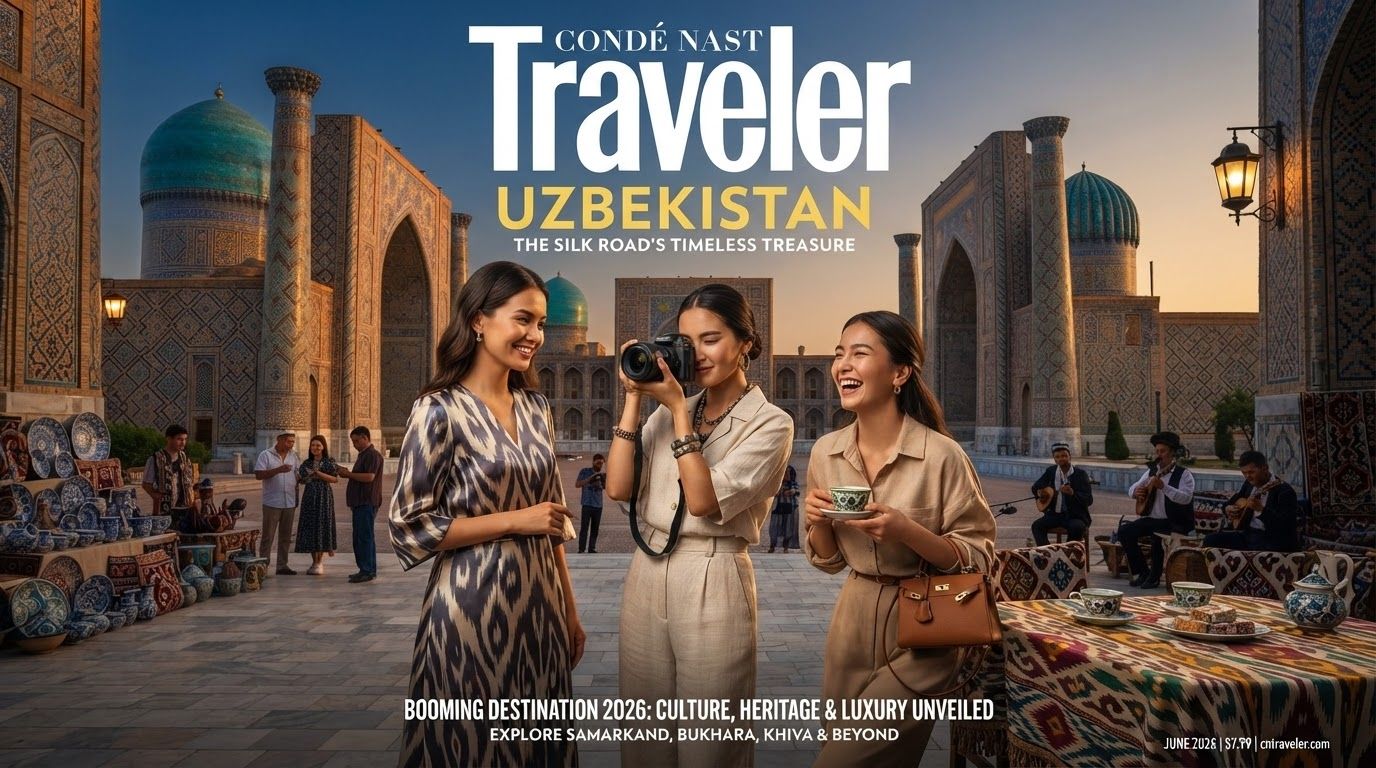
Image generated by AI
Published on July 16, 2026
Uzbekistan has witnessed a record-breaking surge in international arrivals, welcoming a total of 6,565,410 foreign visitors during the first six consecutive months of 2026. This significant tourism milestone represents a major travel expansion across the nation's historic Silk Road heritage hubs, driven by robust regional demand and newly introduced financial incentives for corporate events. Travelers planning journeys to Central Asia are encouraged to coordinate schedules and lodging well in advance to navigate the high volume of visitors currently exploring the country.
:::info Quick Summary
- Record Growth: Uzbekistan welcomed 6,565,410 foreign visitors in the first six months of 2026, a 24.9% year-on-year increase representing approximately 1.3 million additional arrivals compared to the same period in 2025.
- Regional Backbone: Nearly 4.9 million tourist arrivals originated from three neighboring Central Asian nations: the Kyrgyz Republic, Kazakhstan, and Tajikistan.
- Global Diversification: Key international markets like Russia, Afghanistan, China, Turkiye, India, and Germany have substantially bolstered the country's global travel profile.
- New VAT Incentives: The Cabinet of Ministers approved a 50% VAT refund on eligible expenses for organizers of international business events attracting at least 100 foreign participants.
- Prime Destinations: Architectural and cultural hotspots like Samarkand, Bukhara, Khiva, and Tashkent remain the primary drivers of this massive travel surge. :::
Context and Background: The Drivers Behind the Uzbekistan Tourism Boom
The ongoing Uzbekistan tourism boom is propelled by a combination of factors, including enhanced cross-border accessibility, expanding international flight routes, and rising global interest in the historic Silk Road. According to data from the National Statistics Committee, the country's ancient destinations are experiencing unprecedented popularity among leisure, cultural, historical, and corporate travelers.
To sustain this momentum, the government has actively worked to improve tourism infrastructure and ease regional travel flows. By leveraging its rich cultural heritage and implementing progressive financial policies, the Central Asian nation has successfully positioned itself as a leading destination for international travelers seeking authentic historical experiences.
Event and Incident Details: Detailed Visitor Arrivals and Source Market Rankings
The first half of 2026 recorded a 24.9% year-on-year increase in international arrivals compared to the corresponding period in 2025. This surge translates to around 1.3 million more visitors entering the country during the first six consecutive months of the year. Central Asian neighbors remain the largest contributors to this growth, driven by close transport connections and shared historical ties.
The Kyrgyz Republic emerged as the leading source market, sending 1,875,332 visitors to Uzbekistan. Kazakhstan followed in second place with 1,553,688 arrivals, while Tajikistan secured the third spot with 1,471,670 visitors. Collectively, these three neighboring countries accounted for nearly 4.9 million arrivals, comprising the overwhelming majority of foreign traffic.
Beyond the immediate region, several international markets contributed to the Uzbekistan tourism boom, led by Russia in fourth place with 585,558 visitors, supported by established direct air routes and business ties. Afghanistan ranked fifth with 238,925 visitors, followed by China in sixth with 223,479 arrivals focused on ancient trade routes and heritage tourism.
Below is the official breakdown of the leading source markets for Uzbekistan tourism during the first half of 2026:
| Rank | Source Market/Country | Visitor Volume | Tourism Significance & Market Context |
|---|---|---|---|
| 1 | Kyrgyz Republic | 1,875,332 | Largest international source market; drives major cross-border traffic |
| 2 | Kazakhstan | 1,553,688 | Principal regional market with highly developed transport links |
| 3 | Tajikistan | 1,471,670 | Strong cross-border travel demand and close cultural ties |
| 4 | Russia | 585,558 | Key international market backed by strong business and flight connections |
| 5 | Afghanistan | 238,925 | Vital regional market with long-standing social and trade links |
| 6 | China | 223,479 | Expanding East Asian market focused on Silk Road heritage experiences |
| 7 | Turkmenistan | 164,211 | Strong regional travel connection and cross-border transit |
| 8 | Turkiye | 95,466 | Growing cultural and leisure market with shared historical roots |
| 9 | India | 26,450 | Emerging South Asian market interested in heritage and architecture |
| 10 | Germany | 22,294 | Leading European source market driving high-value cultural tourism |
Risk and Impact: Managing High Influx and Regional Market Dependency
The rapid acceleration of the Uzbekistan tourism boom introduces several operational considerations and potential challenges that travelers and businesses should monitor:
- Heavy Regional Reliance: Over 74% of all international visitors originate from just three neighboring nations, leaving the tourism economy vulnerable to shifts in regional border policies or economic conditions.
- Increased Infrastructure Demand: A 24.9% rise in arrivals places significant pressure on accommodation, domestic transport networks, and crowd management at historic locations.
- Border Checkpoint Congestion: The high volume of land crossings from the Kyrgyz Republic, Kazakhstan, and Tajikistan can lead to longer processing times at border control points.
What Authorities Are Saying: New VAT Refunds and Travel Policies
In response to the growing demand, Uzbek authorities are shifting focus toward high-spending sectors like corporate travel. The Cabinet of Ministers has approved new regulations introducing a partial value-added tax (VAT) refund for major international event organizers.
Under this new policy, qualifying business event planners can receive a 50% refund on eligible VAT expenses. To qualify, the event—such as a forum, conference, or exhibition—must attract a minimum of 100 foreign participants. The government aims to utilize this incentive to enhance Uzbekistan's competitiveness in the global meetings, incentives, conferences, and exhibitions (MICE) market.
Practical Traveler Advice: Planning Tips for Visiting Uzbekistan
- Secure Accommodations Early: Due to high visitor volumes in historic cities like Samarkand and Bukhara, travelers should book hotels and domestic train tickets well in advance.
- Account for Transit Times: Travelers planning to cross land borders from neighboring Central Asian countries should allocate extra time to account for potential checkpoint delays.
- Explore Beyond the Core Cities: To avoid peak crowds in Tashkent and Samarkand, consider visiting lesser-known Silk Road sites and regional cultural centers.
- Verify Business Incentive Eligibility: Organizers planning corporate events in Uzbekistan should consult official guidelines to ensure their gatherings meet the 100 foreign participant threshold for the 50% VAT refund.
Broader Context: Preserving the Cultural Legacy of the Silk Road
The ongoing Uzbekistan tourism boom highlights the enduring global appeal of Central Asia's architectural and cultural history. Ancient hubs such as Samarkand, Bukhara, Khiva, and Tashkent host some of the world's most significant UNESCO-listed heritage sites, featuring centuries-old monuments, madrasahs, and traditional bazaars.
Rather than relying purely on leisure travel, the nation's current strategy leverages these cultural assets to drive economic development. The integration of regional travel networks and the preservation of historic trade routes have made the Silk Road a cornerstone of Uzbekistan's modern identity and international appeal.
What to Expect Next / Looking Ahead: The Future of Uzbek Travel
Looking forward, Uzbekistan is expected to intensify its international marketing campaigns in Europe and Asia to further diversify its source markets. Growing visitor numbers from Turkiye, India, and Germany indicate early progress in attracting travelers from outside the immediate Central Asian region.
Additionally, the new business tourism VAT refund program is expected to draw more international conferences and trade exhibitions to the country. This shift will likely encourage further investments in premium hospitality infrastructure and convention facilities, particularly in Tashkent, to accommodate the growing influx of corporate and MICE travelers.
Conclusion: Preparation and Cultural Discovery in Central Asia
Uzbekistan's impressive milestone of welcoming over 6.5 million international visitors in the first half of 2026 marks a new chapter of growth for the region. The Uzbekistan tourism boom highlights the country's status as a premium destination for cultural, historical, and business travel. By planning ahead, staying informed of new travel policies, and respecting local customs, travelers can enjoy a seamless and memorable experience in this historic heart of the Silk Road.
FAQ: Frequently Asked Questions
What is driving the Uzbekistan tourism boom in 2026?
The boom is driven by high demand from regional Central Asian markets, improved international travel connectivity, growing global interest in Silk Road heritage cities, and new government incentives like the VAT refund program for business tourism.
Which countries are the top source markets for Uzbekistan tourism?
The top three source markets are the Kyrgyz Republic (1,875,332 visitors), Kazakhstan (1,553,688 visitors), and Tajikistan (1,471,670 visitors), followed by Russia, Afghanistan, and China.
What is the new VAT refund incentive for business events in Uzbekistan?
Approved by the Cabinet of Ministers, the program allows organizers of qualifying international conferences, forums, and exhibitions to receive a 50% refund on eligible VAT paid, provided the event hosts at least 100 foreign participants.
Which cities are the main cultural destinations in Uzbekistan?
The key cultural and historical destinations include Samarkand, Bukhara, Khiva, and the capital city of Tashkent, which host iconic UNESCO-listed architectural landmarks and traditional markets.
How much did international visitor arrivals grow in 2026?
During the first six consecutive months of 2026, foreign arrivals increased by 24.9% year-on-year, bringing in approximately 1.3 million additional visitors compared to the same period in 2025.
Related Travel Guides
- Tivoli Hotels Unveils Palazzo 1880 Lecce to Redefine Luxury Travel in Italy, Opening a Five-Star Baroque Cultural Retreat in Puglia: New Travel Alert
- MSC Cruises Expansion Drives Record Fleet Growth and New Caribbean Ports, Opening Alaska and Global Markets: Latest Update
- Asia Tourism Boom Reshapes Global Travel with Focus on Culinary Tourism, Local Spirits, and Authentic Culture, Urging Visitors to Respect Regional Customs: Everything You Need to Know
Disclaimer
This article is for informational and educational purposes only. It does not constitute legal, financial, or professional advice. While we strive to provide accurate and up-to-date information, travel policies, regulations, and conditions change rapidly. Always verify information with official sources before making travel decisions. Nomad Lawyer makes no representations about the accuracy, reliability, completeness, or suitability of the information provided. Readers should consult qualified professionals for advice specific to their circumstances. The views expressed in this article are those of the author and do not necessarily reflect the views of Nomad Lawyer.
Kunal K Choudhary
Co-Founder & Contributor
A passionate traveller and tech enthusiast. Kunal contributes to the vision and growth of Nomad Lawyer, bringing fresh perspectives and driving the community forward.
Learn more about our team →