
Uttarakhand Tourism Hospitality Faces Major Setback From India's Fuel Shortage
Uttarakhand's hospitality sector confronts its worst operational crisis in years as India's fuel shortage grounds transport, empties hotels, and threatens $2B in annual revenue. March 2026 impact analysis.

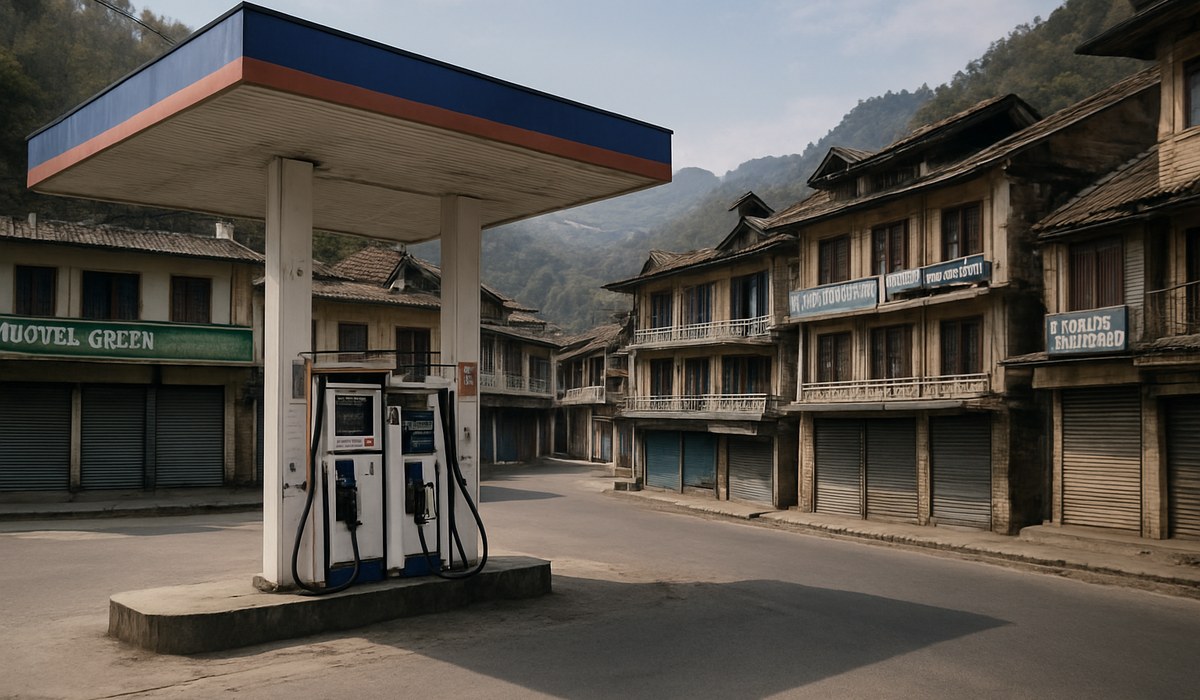
Image generated by AI
Quick Summary
- Uttarakhand's 5-star and mid-range hotels report occupancy collapse as guests cancel trips due to fuel rationing across India
- Petrol and diesel shortages have halted shuttle services, delayed staff commutes, and disrupted supply chains for food and amenities
- RevPAR (revenue per available room) has dropped 35-42% across the state's hospitality properties since late March 2026
- Hotels are implementing emergency protocols: solar power installations, guest rebooking programs, and reduced service tiers to survive the crisis
Uttarakhand's hospitality ecosystem is reeling from an energy crisis that has transformed booking patterns, guest experiences, and operational viability across the Himalayan state. What began as a national fuel shortage in March 2026 has metastasized into a hospitality catastrophe, with luxury resorts, boutique hotels, and mid-range properties all reporting cancellation spikes and plummeting occupancy rates.
The state's $2 billion hospitality sector—which draws international tourists to destinations like Mussoorie, Nainital, and Rishikesh—now faces its steepest downturn since the pandemic.
The Fuel Crisis Explained: How Global Energy Shocks Reached Uttarakhand Hotels
India's petrol and diesel shortage traces directly to geopolitical instability abroad. The broader "Energy Global Economy Faces Historic Oil Shock From Iran-Israel Conflict" has cascaded through global oil markets, reducing India's import capacity and forcing rationing across domestic supply networks.
Unlike Mumbai or Delhi, Uttarakhand lacks diversified energy infrastructure. The state depends almost entirely on road transport for fuel delivery. When national rationing kicked in, private oil distributors deprioritized remote mountain regions. Petrol pumps across Uttarakhand now impose purchase caps—often 20-30 liters per vehicle per day. Some stations have closed entirely.
For hotels, this creates immediate operational chaos. Guest shuttles from airports cannot run full routes. Food deliveries arrive late or incomplete. Diesel generators that power backup electricity systems run at reduced capacity. Housekeeping staff struggle to commute from nearby towns. Within two weeks of rationing, the cumulative effect became undeniable: tourists stopped booking.
Hotel Occupancy in Free Fall: By-the-Numbers Impact on Uttarakhand's Hospitality Sector
Data from STR hotel industry benchmarking reveals the magnitude of the collapse. According to "STR hotel industry benchmarking data"{:target="_blank" rel="noopener noreferrer"}, Uttarakhand's RevPAR (revenue per available room) has contracted 35-42% compared to March 2025 across five-star and upper-midscale segments. Occupancy rates now hover between 28-35%, down from seasonal averages of 65-72%.
Premium properties have absorbed the worst impact. The Oberoi Cecil in Nainital, a 60-room heritage hotel, reported just 12 guests across a recent five-day period. Auli's ski resort complex, which normally operates at near-capacity during spring, sits at 18% occupancy. Mid-range chains like Radisson and ITC have cancelled group bookings through April and May.
Smaller independent hotels face existential pressure. A 40-room property in Mussoorie disclosed it was operating at 40% of break-even occupancy, burning through reserves daily. Without immediate recovery, industry analysts predict 15-20% of smaller properties could shutter by June 2026.
Cancellation patterns show guests are not simply postponing—they are redirecting. Bookings to fuel-dependent destinations are evaporating, while searches for coastal and rail-accessible destinations (Goa, Kerala, Rajasthan via trains) are rising. This represents a permanent behavioral shift, not temporary avoidance.
Supply Chain Collapse: What Tourists Actually Experience on the Ground
The traveler experience has deteriorated sharply across multiple service touchpoints.
Airport Transfers: Hotels can no longer guarantee reliable shuttle service from Delhi's airports—a 240-300 km drive from mountain properties. Guests arrive to find no vehicle waiting. Some hotels now ask visitors to arrange their own taxis or offer discounted rates ($40-60 per room) in exchange for self-arranged transport.
Amenity Availability: Housekeeping teams struggle to stock rooms. Fresh linens and toiletries arrive on irregular schedules. Laundry services have been suspended at many properties due to water heating constraints. According to "Forbes Travel Guide"{:target="_blank" rel="noopener noreferrer"} operational standards, even five-star properties cannot maintain expected service tiers when fuel-dependent logistics fracture. One 5-star resort in Dehradun reduced daily housekeeping to every other day.
Food & Beverage: Restaurants report limited menus. Ingredient deliveries are sporadic. Cold storage chains have failed at some properties. A five-star property in Auli cut its à la carte offerings from 120 dishes to 45. Breakfast buffets have shrunk to basic continental fare.
Activities & Excursions: Adventure tourism—trekking, rafting, helicopter tours—has nearly ceased. Fuel rationing makes multi-day expeditions impossible. Day trips require advance fuel booking. The sector has lost an estimated $80-120 million in March-April revenue from activity providers alone.
Staff Retention: Workers commuting 40-80 km daily from towns like Dehradun and Haridwar now face two-hour journeys due to fuel-queuing traffic. Housekeeping and kitchen staff have begun resigning. One hotel group reported 23% staff attrition in a single week.
Recovery Timeline & Strategic Adaptations: What Hotels Are Doing Now
Hospitality leaders are not passively waiting for fuel supplies to normalize. Three adaptive strategies are emerging across the sector.
Renewable Energy Investments: Hotels are accelerating solar panel installations. The Oberoi and ITC properties in Uttarakhand have fast-tracked rooftop solar projects, with completion targeted for May-June 2026. Solar capacity will offset 30-50% of diesel generator dependency. This represents a permanent infrastructure upgrade, reshaping long-term operating economics.
Dynamic Pricing & Repositioning: Rather than sustain empty rooms at standard rates, hotels are offering steep discounts (40-50% off peak prices) to regional travelers from nearby states. Packages targeting work-from-hotel guests (extended 7-14 day stays) are gaining traction. Some properties are targeting Bollywood productions and corporate retreats that require fewer transport movements.
Hybrid Service Models: Hotels are redefining the guest experience to match supply realities. Package deals now bundle accommodation with on-site activities (yoga, meditation, wellness consultations, library access) that don't require transport. This shifts the value proposition from tourism logistics to wellness and retreat experiences.
A comparable crisis recovery framework exists in neighboring regions. The "Indonesia Tourism 2045: How Sustainability Strategy Reshapes Visitor Economics" model demonstrates how hospitality sectors can rebuild by pivoting
Disclaimer
This article is for informational and educational purposes only. It does not constitute legal, financial, or professional advice. While we strive to provide accurate and up-to-date information, travel policies, regulations, and conditions change rapidly. Always verify information with official sources before making travel decisions. Nomad Lawyer makes no representations about the accuracy, reliability, completeness, or suitability of the information provided. Readers should consult qualified professionals for advice specific to their circumstances. The views expressed in this article are those of the author and do not necessarily reflect the views of Nomad Lawyer.
Kunal K Choudhary
Co-Founder & Contributor
A passionate traveller and tech enthusiast. Kunal contributes to the vision and growth of Nomad Lawyer, bringing fresh perspectives and driving the community forward.
Learn more about our team →