
Zedwell Hotels Expands Bankside Presence, Reshaping London's Mid-Range Market
Zedwell Hotels expands its London portfolio with Bankside property in 2026. Budget travelers gain affordable luxury options in premium South Bank location. What you need to know.

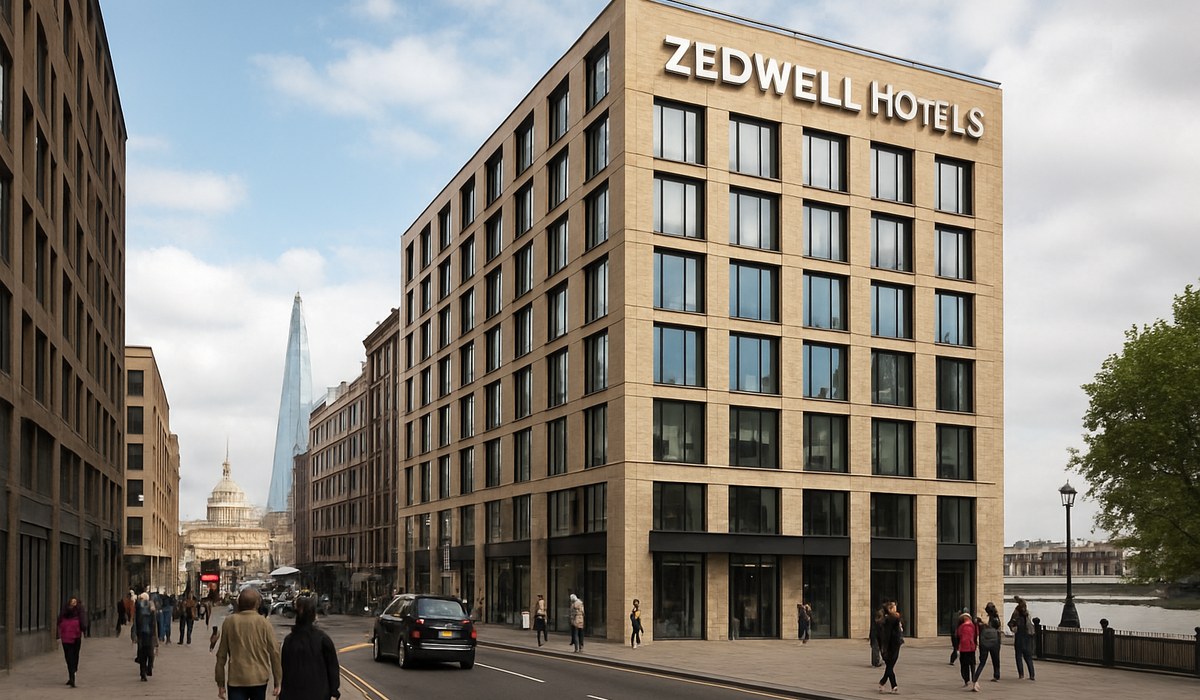
Image generated by AI
Quick Summary
- Zedwell Hotels expands its London pipeline with a new Bankside property targeting value-conscious travelers
- Location places guests within walking distance of cultural landmarks, museums, and Thames-side dining
- Competitive positioning challenges traditional mid-range chains through design-forward spaces and transparent pricing
- Sustainability credentials and contactless technology align with post-2024 traveler priorities
The British budget hotel sector just welcomed a disruptor. Zedwell Hotels—the upstart brand carving out space between hostel floors and five-star gilt—is pushing deeper into London's South Bank with an expansion that signals a broader shift in how cities allocate hospitality inventory. The Bankside property represents more than a single new opening; it's a statement about who gets served when premium postcodes meet everyday budgets.
For travelers planning London stays, this development matters. It means quality options in neighborhoods previously dominated by either boutique properties commanding £400+ nightly rates or generic chain hotels treating guests like transaction line items. Zedwell's strategy centers on stripping away unnecessary flourishes while safeguarding what actually shapes guest satisfaction: design clarity, location advantage, and honest pricing.
What Zedwell's Bankside Expansion Means for London Travelers
Zedwell's arrival in Bankside addresses a genuine market gap. The South Bank corridor—anchored by the Tate Modern, Shakespeare's Globe, and the British Film Institute—attracts millions of annual visitors. Yet neighborhood accommodation has historically pushed toward extremes: either boutique luxury or familiar corporate chains. Zedwell wedges itself into the pragmatic middle, targeting guests willing to trade elaborate lobbies for well-considered room design and prime positioning.
The brand's expansion strategy reflects wider shifts in European hospitality. Younger travelers increasingly prioritize location and intentional design over room square footage or in-house spa facilities. This demographic—typically aged 25–45, traveling for cultural tourism or extended work stays—gravitates toward neighborhoods offering walkable restaurant scenes, transit connectivity, and authentic local character. Bankside delivers all three.
According to recent hotel industry performance benchmarking data, London's mid-range segment has experienced sustained occupancy pressure as travelers fragment across budget and upper-upscale options. Zedwell's expansion directly addresses this volatility by offering a defensible middle ground. Management teams at competing properties monitor the brand's room counts, occupancy trajectories, and RevPAR (revenue per available room) performance as competitive intelligence.
The Bankside location specifically taps into the neighborhood's transformation over the past decade. Once a industrial waterfront zone, South Bank now functions as London's cultural epicenter outside West End theatrics. Positioning a 150–200-room property here means capturing guests spending 3–7 nights exploring galleries, restaurants, and riverside walks—the segment most likely to book direct and return annually.
Location, Pricing & Neighborhood Guide
The Bankside property situates travelers within a five-minute walk of the Millennium Bridge, connecting directly to St. Paul's Cathedral and the City of London financial district. This geography matters practically: guests can reach museum districts, Thames Clipper water taxi services, and the Jubilee Line's Southwark station without taxi fares or navigation stress.
Room pricing at Zedwell properties typically lands between £95–£165 per night, depending on season and booking window—positioning the brand roughly 35–40% below comparable three-star properties in central locations. This pricing structure assumes guests accept smaller room footprints (around 18–22 square meters) in exchange for premium neighborhood access. For solo travelers, couples, or those spending days outside hotel rooms, this math tilts decisively favorable.
The neighborhood itself generates substantial foot traffic. Bankside residents include freelance designers, creative agency staff, and media professionals drawn by converted warehouse lofts and workspace clusters. This demographic overlaps meaningfully with Zedwell's guest profile: independent travelers, digital nomads, and conference attendees prioritizing transit-adjacent neighborhoods over scale and service abundance.
Nearby dining—from casual street-level ramen spots to established gastropubs—clusters within 200 meters. The Borough Market food scene lies just across London Bridge. For travelers seeking longer stays enabling neighborhood exploration (similar to emerging Asia Slow Travel trends reshaping regional circuits), Bankside's residential character provides advantages over tourist-saturated West End or Leicester Square areas.
Transport connectivity matters equally. Southwark Underground station (Jubilee Line) offers direct service to Canary Wharf and Westminster without central transfers. The Northern Line's Elephant & Castle station sits within walking distance. Bus routes 15, 40, and 21 service the corridor. This transit layering means guests can reach Heathrow, Gatwick, or regional UK destinations without London cab expense—material savings for multi-destination UK itineraries, including those extending to P&O Cruises departures from nearby Southampton and Portsmouth.
How Zedwell Compares to Competing London Hotels
The mid-range London sector includes established names—Premier Inn, Travelodge, the Bloc—alongside newer challengers like Megaro and Pod Hotels. Zedwell distinguishes itself through design-forward positioning without premium pricing.
Premier Inn properties average £110–£150 in South Bank zones but prioritize consistency over character. Guest rooms follow formulaic layouts: neutral palettes, standardized furniture, reliable climate control. Service delivery remains serviceable; breakfast buffets follow corporate templates. For guests seeking anonymity and predictability, Premier Inn delivers. For those wanting neighborhood personality and visual interest, the trade-off becomes apparent.
Travelodge occupies similar positioning but with slightly lower room quality and pricing (£85–£120). Properties clustered in less-central locations compensate through affordability; South Bank Travelodge space remains limited due to land scarcity and commercial competition.
Zedwell's differentiation centers on three dimensions. First, design intentionality: rooms feature locally-sourced artwork, modular furniture allowing configuration choice, and intuitive spatial planning. This approach costs more than assembly-line standardization but remains less expensive than full-service boutique operations. Second, transparency: pricing includes no hidden resort fees, service charges, or breakfast upsells. What guests see online reflects what they pay at checkout. Third, neighborhood narrative: properties occupy locations chosen for character rather than real estate availability, meaning guests experience authentic neighborhoods rather than hotel corridors.
Forbes Travel Guide ratings increasingly influence mid-range property evaluation among independent travelers. Zedwell properties have begun earning recognition in this space, positioning the brand above generic chains while avoiding the exclusivity pricing of recognized luxury operators. This calibration appeals to guests seeking quality assurance without prestige markup.
Sustainability & Modern Amenities You Should Know About
Zedwell's operational model embeds sustainability rather than positioning it as add-on virtue signaling. Room design emphasizes natural light—reducing daytime HVAC demand—through strategically-placed windows and translucent interior partitions. Furnishings utilize FSC-certified timber and recycled materials. Cleaning protocols have shifted toward plant-based products and microfiber cloth systems reducing single-use plastic.
Disclaimer
This article is for informational and educational purposes only. It does not constitute legal, financial, or professional advice. While we strive to provide accurate and up-to-date information, travel policies, regulations, and conditions change rapidly. Always verify information with official sources before making travel decisions. Nomad Lawyer makes no representations about the accuracy, reliability, completeness, or suitability of the information provided. Readers should consult qualified professionals for advice specific to their circumstances. The views expressed in this article are those of the author and do not necessarily reflect the views of Nomad Lawyer.
Kunal K Choudhary
Co-Founder & Contributor
A passionate traveller and tech enthusiast. Kunal contributes to the vision and growth of Nomad Lawyer, bringing fresh perspectives and driving the community forward.
Learn more about our team →