
UTair and Yakutia Airlines Ground 6 Flights Across Russia, Disrupting Moscow and Yakutsk Routes June 2026
UTair and Yakutia Airlines have grounded 6 flights and reported numerous delays across Russia, creating operational chaos at Moscow's Vnukovo and Yakutsk airports on June 5, 2026.

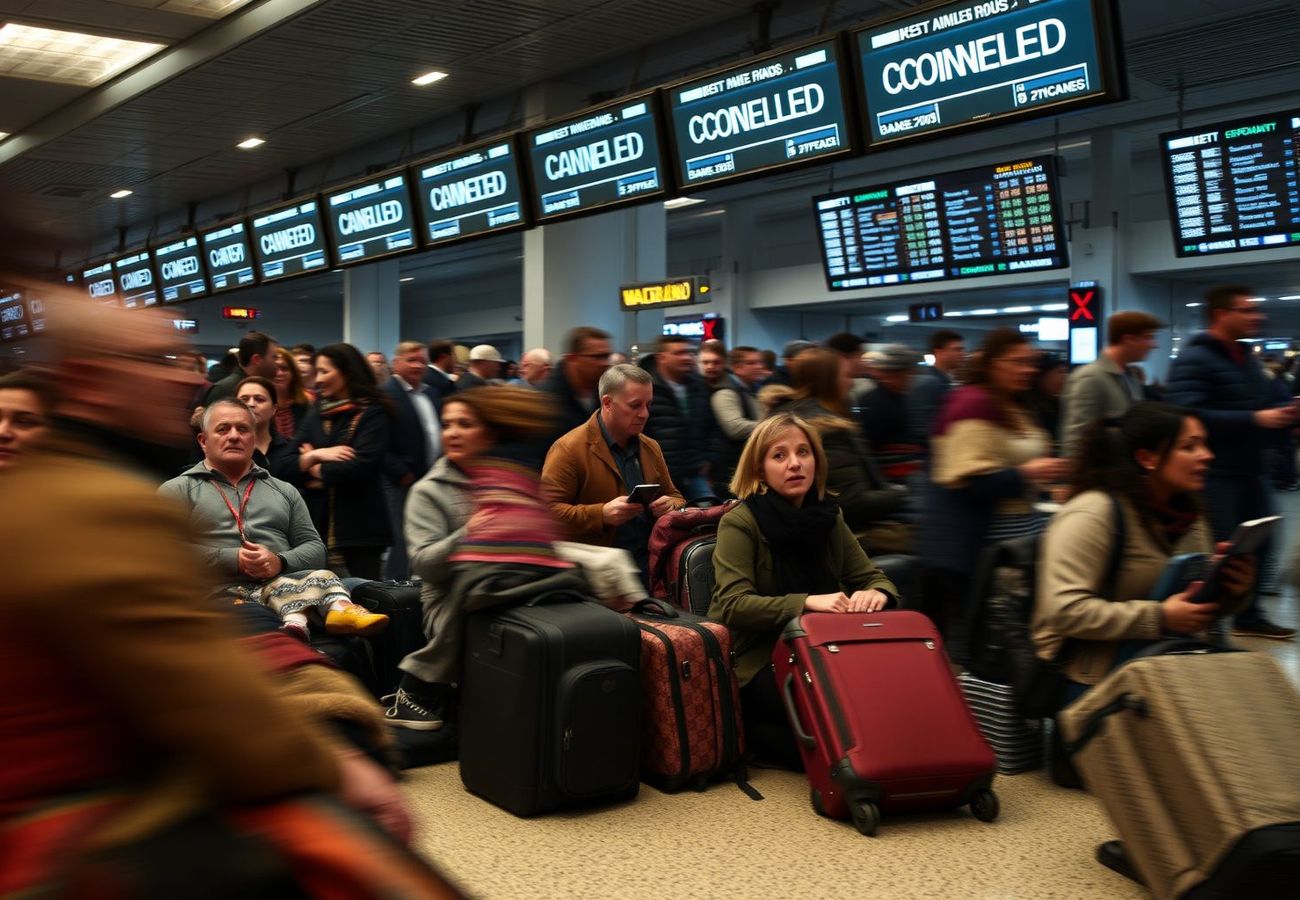
Image generated by AI
The Chaos Unfolds Across Russian Airways
Russia's aviation network faced a significant jolt on June 5, 2026, as two major carriers — UTair and Yakutia Airlines — simultaneously grounded 6 flights and reported cascading delays across the country's most critical transportation hubs. The disruptions hit Vnukovo International Airport in Moscow and Yakutsk Airport in eastern Russia, two airports that collectively form the backbone of domestic and regional connectivity for millions of travelers.
What started as a routine Friday morning evolved into a day of uncertainty for passengers scrambling to understand their flight status, rebook alternatives, and navigate the frustrating maze of airline customer service. The ripple effects extended far beyond just the immediate cancellations—delays ballooned across both hubs, affecting onward connections and trapping travelers in holding patterns of doubt.
Reddit: "Just got a cancellation notice from UTair at Vnukovo. No explanation, no apology, just a text message. How is this even acceptable in 2026?" — r/travel
Which Airports and Airlines Were Hit Hardest?
Vnukovo International Airport (VKO) in Moscow bore the brunt of operational strain, with UTair accounting for 4 cancelled flights and a staggering 16 delayed services. This represented roughly 8% of the carrier's scheduled operations at the facility, creating bottlenecks for connections onward to regional destinations across European Russia.
The situation in Yakutsk, however, painted a far grimmer picture. Yakutia Airlines cancelled just 2 flights at Yakutsk Airport (YKS), but this represented a 40% cancellation rate relative to its scheduled service—a dramatic indicator of severe operational distress for the remote eastern gateway. The same airline also recorded 2 delayed flights, matching the 40% delay percentage, suggesting systematic challenges rather than isolated incidents.
The contrast is striking: Moscow experienced broad schedule irregularities, while Yakutsk suffered acute disruption. For passengers in Russia's far east, the cancellation rate was genuinely catastrophic.
The Numbers Behind the Disruption
| Airport | Airline | Cancelled Flights | Delay Rate Impact |
|---|---|---|---|
| Vnukovo (Moscow) | UTair | 4 | 16 delays (8% cancellation) |
| Yakutsk | Yakutia Airlines | 2 | 2 delays (40% cancellation) |
| TOTAL | Both | 6 flights | 18 total disruptions |
While 6 cancellations might seem modest in isolation, the real story lies in the 40% operational collapse at Yakutsk. For travelers dependent on Yakutia Airlines' limited schedule serving the Sakha Republic and connecting remote regions to major Russian cities, the impact was catastrophic. Each cancellation eliminated an entire day's travel option for dozens of passengers with few alternatives.
What This Means for Your Travel Plans
If you were scheduled on either airline through these hubs, here's what you need to know immediately:
Monitor Real-Time Updates
Stop checking your email inbox obsessively. Instead, head directly to the airline's official app or website for live updates. UTair and Yakutia Airlines post rebooking confirmations and status changes there first. Text notifications and customer service lines will lag—the digital channel moves faster.
Know Your Cancellation Rights
The EU's passenger rights regulations set the gold standard, even though Russia operates independently. However, Russian carriers often follow equivalent consumer protections. If the cancellation was the airline's responsibility (mechanical issues, crew problems, scheduling errors), you're entitled to rebooking on the next available flight at no additional cost, plus potential compensation.
Consider Alternative Transport
For Moscow-based travelers, the Russian rail network offers viable alternatives to eastern Russia. For Yakutsk-bound passengers, however, options contract dramatically—the city is remote, and FlightAware's tracking data shows limited redundancy in service patterns.
Document Everything
Screenshot your booking confirmation, the cancellation notice, and any communication from the airline. These become crucial if you need to file compensation claims or dispute rebooking attempts that don't suit your actual needs.
Why This Matters Beyond the Headlines
The disruption at Yakutsk particularly underscores a vulnerability in Russia's aviation infrastructure. Eastern Russia depends heavily on air connectivity. When Yakutia Airlines experiences a 40% operational meltdown, the isolation felt by passengers and businesses isn't merely inconvenient—it's economically damaging and logistically devastating.
Meanwhile, Vnukovo's 8% cancellation rate, while lower in percentage terms, affects far more absolute passengers due to Moscow's role as the country's primary aviation hub. Disruptions here cascade through the entire Russian network.
What Airlines Should Have Learned by Now
The data from FlightAware shows that even limited groundings create outsized passenger pain. Airlines cannot simply cancel 6 flights without expecting significant downstream consequences. Proper contingency planning, transparent communication, and rapid rebooking protocols separate operational disasters from managed disruptions.
As of this writing, both carriers have begun restoring normal schedules, but the damage to passenger confidence remains fresh. Travelers planning Russian flights should prioritize schedule redundancy—book flights with at least a 4-hour layover window if connecting, and maintain flexible dates when possible.
Your Rights and Next Steps
If you're among the affected passengers:
- Contact your airline's customer service immediately—phone lines move slower than online chat, but phone agents have more authority to authorize compensation
- Request written confirmation of your rebooking, including flight number, time, and any compensation offered
- Check airline policy documents for cancellation provisions; many Russian carriers offer meal vouchers and accommodation for overnight layovers
- File a formal complaint with the carrier if rebooking doesn't meet your needs—written complaints create paper trails useful for dispute resolution
- Monitor future bookings with these carriers for patterns; a second disruption within months suggests systemic problems
The disruption affecting UTair and Yakutia Airlines serves as a reminder that modern aviation, despite technological advancement, remains vulnerable to operational strain. Six grounded flights shouldn't cascade into this level of chaos—but they did, and Russian travelers paid the price.
Stay informed, stay flexible, and never assume your flight is confirmed until you're wheels-up.
Related Travel Guides
Albany Airport Western Australia $41M Upgrade Opens Freight Routes and Emergency Services in 2026
Disclaimer
This article is for informational and educational purposes only. It does not constitute legal, financial, or professional advice. While we strive to provide accurate and up-to-date information, travel policies, regulations, and conditions change rapidly. Always verify information with official sources before making travel decisions. Nomad Lawyer makes no representations about the accuracy, reliability, completeness, or suitability of the information provided. Readers should consult qualified professionals for advice specific to their circumstances. The views expressed in this article are those of the author and do not necessarily reflect the views of Nomad Lawyer.
Raushan Kumar
Founder & Lead Developer
Full-stack developer with 11+ years of experience and a passionate traveller. Raushan built Nomad Lawyer from the ground up with a vision to create the best travel and law experience on the web.
Learn more about our team →