
Japan, Costa Rica, Italy Partner with US Airlines to Drive Experiential Travel Boom Across Transatlantic Routes 2026
Three destination powerhouses join forces with major US carriers to launch new flight routes fueling immersive cultural tourism and experiential travel across the globe.

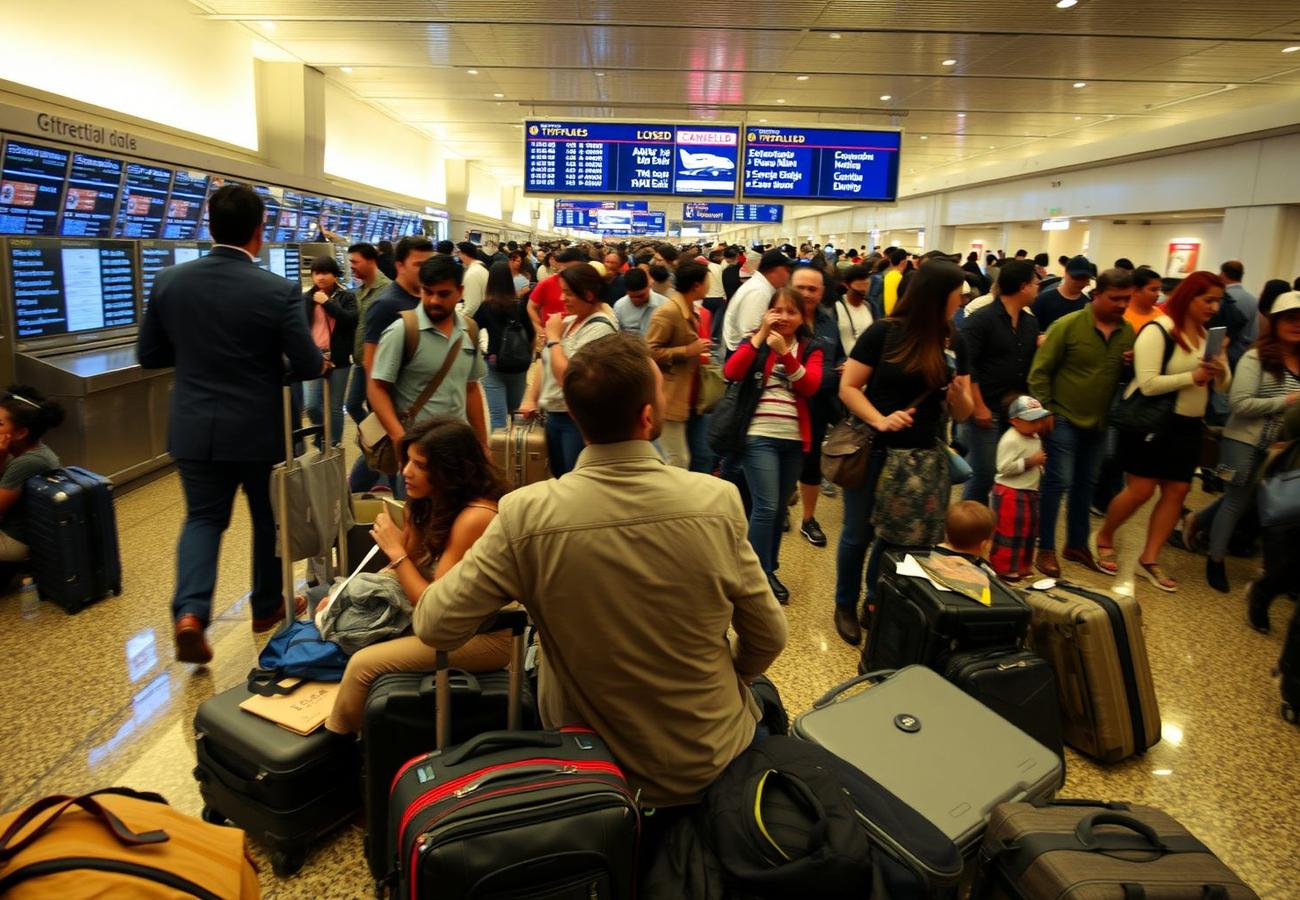
Image generated by AI
The global aviation sector is witnessing a historic realignment. Japan, Costa Rica, and Italy have coordinated with major US legacy carriers to launch an ambitious network of new transatlantic and domestic routes designed to satisfy explosive consumer demand for authentic, immersive cultural experiences. This isn't simply another round of capacity announcements—it's a fundamental restructuring of how international airlines serve the modern traveler.
Today's passengers have fundamentally rejected the checkbox mentality of traditional tourism. They don't want monuments and selfies; they want transformation, purpose, and genuine human connection. Airlines and tourism boards across three continents have recognized this seismic shift and are responding with unprecedented operational coordination.
The Death of Passive Sightseeing
Reddit: "I used to do the whole Europe thing in two weeks—museums, photos, done. Now I actually want to live somewhere for a month, learn the language, eat where locals eat." — r/travel
The tourism paradigm has undergone complete inversion. Millennials and Gen Z travelers—now the dominant market segment—demand experiential immersion over transactional experiences. They're rejecting overcrowded monument tours in favor of hands-on learning, sustainable engagement, and unscripted local discovery.
Modern travel success is no longer measured by passport stamps or Instagram content. It's measured by skill acquisition, emotional depth, and measurable community impact. Airlines expanding routes to support this movement aren't chasing volume—they're capturing high-yield, repeat customers who spend aggressively on premium cabin seating and extended stays.
Japan: The Experiential Tourism Pioneer
Japan Airlines (JAL) and All Nippon Airways (ANA) have long dominated transpacific traffic, but new route frequencies now position them as primary carriers for experiential travelers seeking deep cultural immersion.
Japan has perfected the art of hyper-personalized hospitality through omotenashi—a uniquely Japanese philosophy of anticipatory guest service. Beyond Tokyo's gleaming metropolitan core, travelers are now discovering niche ecosystems designed for hands-on learning.
Temple Stay Experiences: Deep within Mount Koya's cedar forests, travelers bypass luxury hotels to stay in Shukubo (Buddhist temple lodgings). Guests participate in early-morning prayer rituals, practice Ajikan meditation, and consume Shojin Ryori—seasonal vegetarian cuisine prepared according to centuries-old Buddhist culinary tradition. This isn't tourism; it's spiritual apprenticeship.
Artisanal Craft Mastery: Regional hubs like Kyoto and Ishikawa now attract multi-week visitors dedicated to hands-on learning under master craftsmen. Travelers spend days mastering Kintsugi (the art of repairing broken pottery with gold lacquer) or traditional sake fermentation techniques. Their vacation becomes a platform for professional skill development.
The Airline Network Feeding Japan's Experiential Boom
JAL operates high-frequency, premium transpacific flights to Tokyo Haneda (HND) and Narita (NRT) from major US gateways: Los Angeles (LAX), San Francisco (SFO), Chicago O'Hare (ORD), and New York (JFK). Critically, JAL also maintains a direct pipeline from Los Angeles (LAX) to Osaka Kansai (KIX)—the closest airport gateway to Mount Koya.
ANA operates extensive nonstop service to Tokyo from New York (JFK), Chicago (ORD), San Francisco (SFO), and Los Angeles (LAX), leveraging its reputation for traditional hospitality and seamless domestic connections.
United Airlines maintains a massive transpacific footprint with direct Tokyo service from San Francisco (SFO) and Newark (EWR). Uniquely, United also operates direct service from San Francisco (SFO) to Osaka Kansai (KIX), positioning it as a premium option for cultural travelers heading directly to rural immersion experiences.
Delta Air Lines connects major coastal gateways—Seattle (SEA) and Minneapolis/St. Paul (MSP)—with Tokyo Haneda (HND).
American Airlines utilizes its domestic mega-hubs at Los Angeles (LAX) and Dallas/Fort Worth (DFW) to feed Tokyo service.
Once in Japan, the Shinkansen bullet train reaches Kyoto Station in roughly two hours from Tokyo, or travelers can catch domestic connecting flights to Osaka (KIX) for seamless transit to Mount Koya.
Costa Rica: The Eco-Wellness Blueprint
Costa Rica pioneered sustainable, community-based tourism and remains the gold standard for blending high-adrenaline adventure with authentic environmental stewardship. The nation has successfully positioned itself as the global leader in conservation-driven experiential travel.
Jungle Digital Detoxes: Eco-lodges across the remote Osa Peninsula intentionally eliminate cellular service and television. Guests engage in "calm-cations" synchronized with natural rhythms through open-air yoga, sound baths, and guided forest meditation—the antithesis of connectivity culture.
Conservation Tourism: Modern travelers want measurable positive impact on host communities. In Costa Rica, experiential tourists work alongside marine biologists protecting nesting sea turtles, plant native trees in the Monteverde cloud forests, or track wild jaguar populations using non-invasive trail cameras. Tourism becomes active environmental contribution.
The US Carrier Network Serving Costa Rica
American Airlines operates high-frequency direct flights from Miami (MIA) and Dallas/Fort Worth (DFW) into both San José (SJO) and beach-adjacent Liberia (LIR).
Delta Air Lines supplies dedicated nonstops from eastern strongholds Atlanta (ATL) and New York (JFK) to both major Costa Rican gateways.
United Airlines provides direct hub routing from Houston Intercontinental (IAH) and Newark (EWR) into San José and Liberia.
JetBlue Airways supplies competitive East Coast options with direct flights from Orlando (MCO), Fort Lauderdale (FLL), and New York (JFK).
Southwest Airlines operates high-volume leisure flights from Houston Hobby (HOU) and Baltimore/Washington (BWI).
Frontier Airlines connects budget-conscious eco-tourists with low-cost direct flights across southern and eastern US markets.
Italy: The Agrarian Immersion Movement
Italy has shifted tourism focus away from congested metropolitan corridors toward rural economies, revitalizing peripheral regions through deep community engagement. Regional tourism boards have successfully rebranded Italy as the epicenter of "slow travel"—intentional, relationship-based exploration.
The Agriturismo Revolution: Across rolling Tuscan hills, Umbrian landscapes, and Puglian olive plains, travelers are choosing Agriturismo (working farm stays). Guests live on multi-generational estates, harvesting heritage olives, picking organic grapes for regional wine production, or foraging for rare truffles alongside trained hounds. Vacations transform into agricultural apprenticeships.
Culinary Mastery Programs: Food tourism has evolved from passive fine dining appreciation to hands-on education. Travelers participate in local market discovery alongside resident chefs, selecting raw ingredients before gathering in historic stone kitchens to learn traditional pasta-rolling techniques from local nonnas (grandmothers). Culinary knowledge becomes the souvenir.
Premium Routes Connecting Italy
American Airlines has launched year-round daily nonstop service connecting major US gateways directly into Northern Italy's regional hubs, positioning experiential travelers for seamless access to Tuscan agriturismo estates and Umbrian craft communities.
Delta Air Lines and United Airlines have expanded seasonal transatlantic capacity to Rome Fiumicino (FCO) and Milan Malpensa (MXP), with strong onward connectivity to regional destinations via Italian carrier partnerships.
The Technology Backbone: Safety Innovation Supporting Growth
Underneath this experiential tourism boom lies a comprehensive technology and safety infrastructure. Modern transatlantic aircraft—including the Boeing 787 Dreamliner, Airbus A350, and A380—feature state-of-the-art avionics, redundant safety systems, and real-time connectivity that transforms the long-haul passenger experience.
According to the International Air Transport Association (IATA), commercial aviation maintains the safest transportation record globally, with continuous technological investment in collision avoidance systems, weather monitoring, and crew training protocols.
The Commercial Logic: Premium Yield Over Volume
Why are major US carriers investing aggressively in these experiential destination routes? Simple economics.
Passengers traveling for immersive cultural experiences typically book premium economy or business class, spend longer abroad (extending stay length), and generate higher ancillary revenue through seat selection, baggage, and lounge access. A single business-class round-trip ticket to Tokyo or Milan generates substantially more carrier revenue than three economy seats to generic beach destinations.
Additionally, these travelers demonstrate exceptional loyalty. A guest who spends two weeks mastering pasta-making in Umbria and returns home transformed will book that same route annually. Experiential tourists become repeat customers—the highest-value segment in modern aviation.
The Broader Implications
This tripartite expansion reveals how international aviation and tourism sectors are fundamentally reorganizing around consumer behavior shifts. Airlines aren't simply adding capacity; they're restructuring entire route networks to serve a new paradigm of intentional, purpose-driven travel.
Japan leads the way with temple stays and artisanal craftsmanship. Costa Rica dominates eco-wellness and conservation tourism. Italy owns the agriturismo and slow-travel movement. And US legacy carriers are providing the transatlantic bridges that make these experiences accessible to North American travelers.
The result is a beautifully coordinated global ecosystem where aviation capacity, destination positioning, and consumer demand align perfectly. This isn't a travel trend; it's a permanent structural shift in how humans explore the world.
The age of checkbox tourism is officially over—and the airlines are racing to capture tomorrow's travelers who want to live their destinations, not just photograph them.
Related Travel Guides
Albany Airport Western Australia $41M Upgrade Opens Freight Routes and Emergency Services in 2026
Disclaimer
This article is for informational and educational purposes only. It does not constitute legal, financial, or professional advice. While we strive to provide accurate and up-to-date information, travel policies, regulations, and conditions change rapidly. Always verify information with official sources before making travel decisions. Nomad Lawyer makes no representations about the accuracy, reliability, completeness, or suitability of the information provided. Readers should consult qualified professionals for advice specific to their circumstances. The views expressed in this article are those of the author and do not necessarily reflect the views of Nomad Lawyer.
Preeti Gunjan
Contributor & Community Manager
A passionate traveller and community builder. Preeti helps grow the Nomad Lawyer community, fostering engagement and bringing the reader experience to life.
Learn more about our team →