
USA Travel Costs Surge in 2026: Fuel Crisis and Inflation Push Family Vacation Budgets to New Heights
Rising fuel prices and accommodation inflation are forcing US travelers to restructure their 2026 vacation budgets, with family trips now frequently exceeding $8,000.

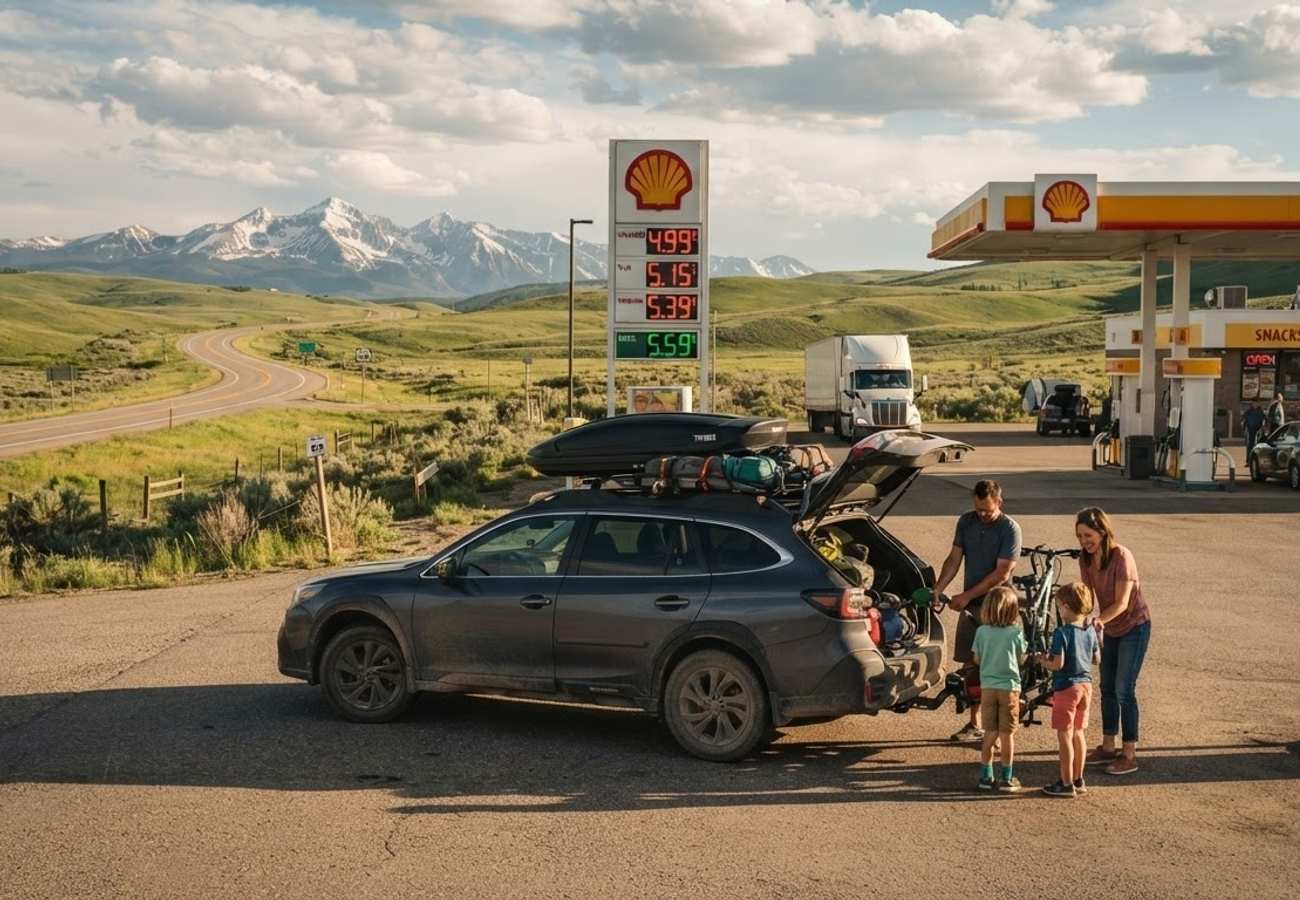
Image generated by AI
Record-high fuel prices and escalating accommodation fees are fundamentally altering American travel patterns in 2026, forcing a shift toward shorter, local trips and "value-first" planning.
The US tourism sector is facing a critical juncture as it enters its most vital travel months. The current volatility in global energy markets has triggered a "Labor Day Fuel Crisis," placing immense pressure on the road-based tourism economy. Because a vast majority of US domestic vacations rely on the family vehicle to reach national parks, scenic highways, and rural destinations, fuel costs have become a primary deterrent for long-distance travel.
Market data indicates that if fuel prices remain elevated, travelers will continue to truncate their itineraries, favoring local destinations over cross-country excursions. This energy-driven inflation is impacting every layer of the industry, from corporate flight scheduling to individual family budgeting.
The Primary Cost Drivers of 2026
Accommodation remains the most significant financial burden for US travelers, consuming between 35% and 45% of total vacation spending. High demand in hubs like New York, Miami, Los Angeles, and San Francisco has pushed rates upward, further compounded by the rise of mandatory resort fees, cleaning charges, and service levies.
Food and dining have emerged as the fastest-growing expense category, now accounting for 25% to 30% of total budgets. This has led to a noticeable trend: travelers are increasingly prioritizing accommodations with kitchen facilities to offset the cost of dining out.
Transportation—including airfare, rental cars, and rideshares—accounts for 15% to 25% of spending. The unpredictability of domestic airfare, driven by aggressive dynamic pricing models, has led to a "destination-second" approach, where travelers select their destination based on the cheapest available flight rather than a specific preference.
Accommodation Spending Breakdown
| Accommodation Style | Average Daily Cost | Typical Options |
|---|---|---|
| Budget | $40–$80 | Hostels, motels, shared stays |
| Mid-range | $130–$220 | Three-star hotels, standard rentals |
| Luxury | $300–$700+ | Resorts, boutique hotels, premium properties |
Dining Expenditure Analysis
| Dining Style | Daily Spending | Examples |
|---|---|---|
| Budget | $30–$50 | Groceries, street food, casual meals |
| Mid-range | $75–$110 | Restaurants, cafés, drinks |
| Luxury | $200–$350+ | Fine dining, premium experiences |
Transportation Cost Estimates
| Transportation Category | Budget Cost | Mid-range Cost |
|---|---|---|
| Local transport | $15–$30 daily | $40–$60 daily |
| Flights | Variable | Depends on route and season |
| Rental cars | Low-cost when shared | Higher during peak demand |
Total Estimated Seven-Day Domestic Vacation Costs
| Traveller Type | Estimated Total Cost |
|---|---|
| Individual traveller | $1,900–$2,300 |
| Couple | $3,980–$4,550 |
| Family of four | $7,900–$8,000+ |
Note: International family holidays in 2026 are frequently exceeding $12,000.
The Strategic Shift to Shoulder Seasons
Timing is now the most effective tool for cost mitigation. Traveling during peak windows—mid-summer, Thanksgiving, Christmas, and Spring Break—can inflate costs by 25% to 50%.
To counter this, a growing segment of the market is shifting toward "shoulder seasons":
- April to May
- September to October
These periods offer a strategic advantage: lower accommodation rates, reduced crowds, and favorable weather, helping tourism operators distribute visitor volume more evenly across the year.
Why This Matters: Industry Implication
From a logistical perspective, the 2026 pricing surge indicates a permanent shift in consumer psychology. The "experience at any cost" mentality is being replaced by a "maximum return per dollar" requirement.
For the travel industry, this means the competitive edge no longer belongs solely to the most prestigious destinations, but to those offering transparent, flexible pricing. We are seeing the rise of "budget-strategic travel," where the use of loyalty rewards, public transit over rental cars, and the selection of secondary cities (over primary hotspots) are becoming standard operating procedures for the American middle class.
Forward Outlook
The US tourism market is moving toward a value-focused model. Businesses that fail to offer customizable, transparently priced packages will likely lose market share to more agile, budget-friendly competitors. By the end of 2026, we expect a surge in "hyper-local" tourism packages and a continued decline in traditional peak-season dominance as travelers permanently optimize their calendars for value.
The era of the effortless road trip has evolved into a calculated financial exercise.
Related Travel Guides
Disclaimer
This article is for informational and educational purposes only. It does not constitute legal, financial, or professional advice. While we strive to provide accurate and up-to-date information, travel policies, regulations, and conditions change rapidly. Always verify information with official sources before making travel decisions. Nomad Lawyer makes no representations about the accuracy, reliability, completeness, or suitability of the information provided. Readers should consult qualified professionals for advice specific to their circumstances. The views expressed in this article are those of the author and do not necessarily reflect the views of Nomad Lawyer.
Preeti Gunjan
Contributor & Community Manager
A passionate traveller and community builder. Preeti helps grow the Nomad Lawyer community, fostering engagement and bringing the reader experience to life.
Learn more about our team →