
US Visa Pause Does Not Cover Tourists as New Interview Rules Take Effect
The U.S. immigrant visa pause does not affect tourist visas, but a new rule requires nonimmigrant applicants to schedule interviews in their home country.

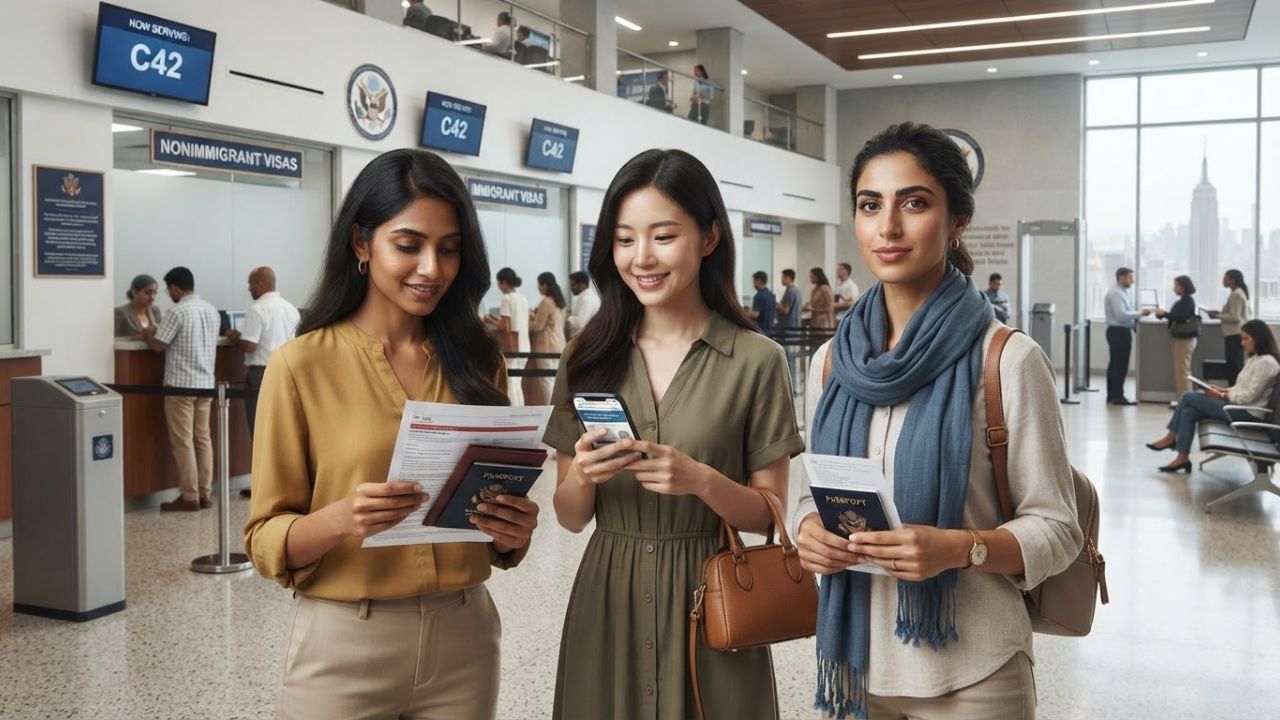
Image generated by AI
Reports of a worldwide halt on ordinary United States tourist visa appointments are misleading, as the temporary pause announced on August 26, 2026, targets only permanent immigrant visa interviews. While nonimmigrant tourist, business, and student visas remain unaffected, applicants face a different nationwide update requiring visa interviews to be scheduled in their home country.
The Local Trend Revealed
The temporary pause concerns immigrant visa appointments only, allowing consular personnel to undergo training on public-charge assessments. Nonimmigrant travel categories (such as B1 tourist, B2 business, student, and exchange visas) continue to operate normally. However, prospective visitors are dealing with a different procedural change:
- Nationality or Residency Requirement: On July 15, 2026, the U.S. Department of State updated instructions requiring nonimmigrant applicants to schedule interviews at the embassy or consulate in their country of nationality or residence. Applicants relying on residency must show proof of physical address.
- Third-Country Applications Restricted: This policy restricts applicants from booking appointments in another country simply to find a faster slot. Visa application fees are non-transferable and non-refundable, meaning scheduling outside one's home country carries a high risk of visa refusal.
- Regional Realignment in Africa: Effective August 1, 2026, the State Department shifted routine visa services from several African posts to designated regional hubs, affecting Antananarivo, Abuja, Asmara, Bamako, Banjul, Brazzaville, Bujumbura, Conakry, Cotonou, Durban, Freetown, Gaborone, Harare, Juba, Libreville, Lilongwe, Lusaka, Maputo, Maseru, Mbabane, N’Djamena, Niamey, Nouakchott, Ouagadougou, and Windhoek.
- Earlier Regional Pauses: On May 18, 2026, embassies in Juba (South Sudan), Kinshasa (Democratic Republic of the Congo), and Kampala (Uganda) temporarily suspended all visa services because of an regional Ebola outbreak, which did not invalidate existing valid travel visas.
Local Community & Environmental Value
For travelers navigating the visa application process, choosing sustainable transit to and from interview locations is a way to reduce environmental footprints. When traveling within the United States after obtaining a visa, visitors are encouraged to choose passenger rail corridors (like Amtrak) instead of flying short-haul domestic flights. Rail transit emits up to 83 percent less greenhouse gases per passenger-mile, supporting goals monitored by the Federal Aviation Administration (FAA).
Additionally, travelers can support local economies by prioritizing independent accommodation and dining. Spending travel budgets at locally owned boutique hotels and family-run diners rather than global hotel conglomerates and fast-food chains helps keep tourism revenue inside host communities.
Visitor Insider Tips for U.S. Visa Applicants and Travelers
Travel specialists recommend the following practices for U.S. visa applicants and travelers:
- Apply in Your Home Country: Always schedule your nonimmigrant visa interview in your country of nationality or residence to comply with the July 15, 2026 rule. Prepare documentation verifying your physical address if applying under residency.
- Demonstrate Strong Home Ties: During your consular interview, present documentation (such as employment contracts, property deeds, or family commitments) to show that you intend to return home after your temporary stay.
- Understand Port of Entry Rules: A valid visa allows you to travel to a U.S. port of entry, but U.S. Customs and Border Protection (CBP) officers make the final decision regarding admission and length of stay. Always be honest about your travel plans and do not suggest intentions to work or study on a visitor visa.
- Observe the Off-Peak Travel Window: Plan your travel during the shoulder seasons of April to May or September to October. Flight and hotel rates are lower, and popular parks and city sights are less crowded.
- Sample Hub Culinary Specialties:
- In San Francisco (SFO): Try a sourdough bread bowl with clam chowder at a local terminal grill.
- In New York (JFK): Grab a fresh bagel with lox at an independent deli.
- Utilize Regional Airport Alternatives: Check fares at nearby secondary airports to save money. For Los Angeles, compare fares at Hollywood Burbank Airport (BUR) instead of LAX.
Tourism and Consular Outlook
The long-term impact of these consular updates will encourage travelers to use appropriate, legal pathways for short-term and permanent entry. While the temporary immigrant visa pause does not cover leisure tourism, the residency requirement for nonimmigrant interviews will standardize wait times, helping U.S. destination cities (such as New York, Los Angeles, and Miami) maintain a steady flow of high-value international visitors, as monitored by the U.S. Department of Homeland Security (DHS).
FAQ: U.S. Visa Interview Rules
Does the August 2026 visa pause affect tourist visas? No. The pause announced on August 26, 2026, applies strictly to immigrant visa appointments for permanent residency. Nonimmigrant visitor visas (B1/B2) for tourism, business, and study continue to be processed.
What is the new rule for scheduling U.S. tourist visa interviews? Under the instructions updated on July 15, 2026, nonimmigrant visa applicants must schedule their interviews at a U.S. embassy or consulate in their country of nationality or residence.
Can I transfer my visa fee if I apply in another country? No. U.S. visa application fees are non-transferable and non-refundable, and applying in a third country simply to find a faster appointment is no longer recommended.
Why were visa services suspended in some African embassies in May 2026? Embassies in Juba, Kinshasa, and Kampala paused all visa services on May 18, 2026, due to public health and safety concerns related to an Ebola outbreak in the region.
Related Travel Guides
- Met Office Forecasts UK Weather Shift as Heatwaves Flee for Cooler Days
- Fuel Protests Force Holidaymakers to Walk Irish Motorways to Airports
- Egypt and Bosnia and Herzegovina Launch the Egypt Bosnia Tourism Alliance at the Grand Egyptian Museum, Enhancing Outbound Travel and Aviation Links: Latest Update
Disclaimer
This article is for informational and educational purposes only. It does not constitute legal, financial, or professional advice. While we strive to provide accurate and up-to-date information, travel policies, regulations, and conditions change rapidly. Always verify information with official sources before making travel decisions. Nomad Lawyer makes no representations about the accuracy, reliability, completeness, or suitability of the information provided. Readers should consult qualified professionals for advice specific to their circumstances. The views expressed in this article are those of the author and do not necessarily reflect the views of Nomad Lawyer.
Raushan Kumar
Founder & Lead Developer
Full-stack developer with 11+ years of experience and a passionate traveller. Raushan built Nomad Lawyer from the ground up with a vision to create the best travel and law experience on the web.
Learn more about our team →