
U.S. Virgin Islands Earns Double 2026 Readers' Choice Honors as St. John's Trunk Bay Ranks Among Top US Beaches

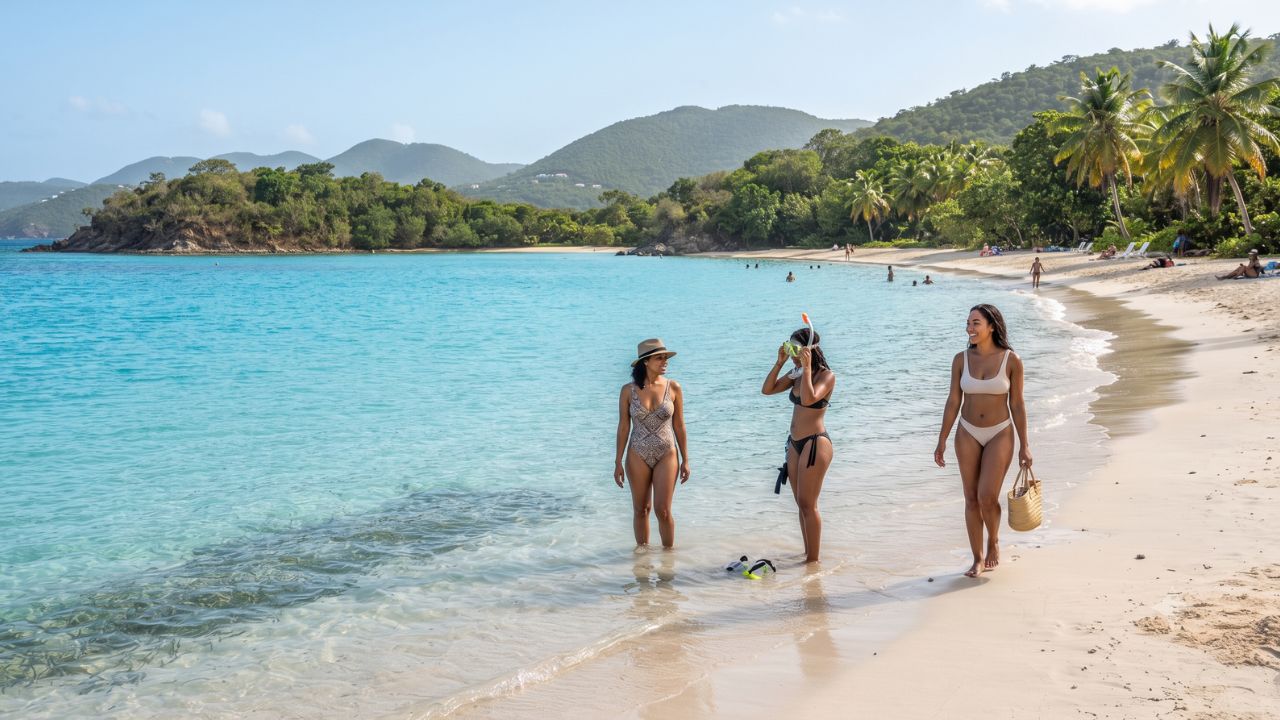
Beneath the turquoise surface of Trunk Bay on St. John, an underwater snorkeling trail stretches roughly 400 feet with submerged interpretive plaques guiding swimmers across living coral reefs without stepping on delicate marine life. That unique marine sanctuary experience propelled Trunk Bay to the No. 10 ranking among all beaches in the United States in Condé Nast Traveler’s 2026 Readers' Choice Awards. Simultaneously, the wider U.S. Virgin Islands territory secured the No. 12 spot among the premier islands across the Caribbean and Atlantic region, drawing validation from a voting base of 798,867 global travelers.
The double accolade marks an important shift in how travelers evaluate Caribbean archipelagos. Rather than relying solely on private all-inclusive resort enclaves, the territory stands out because nearly two-thirds of St. John is safeguarded within federal park boundaries, while neighbor islands St. Thomas and St. Croix deliver distinct urban marine commerce, centuries-old colonial architecture, and deep culinary roots.
Double Accolades and Record Reader Participation in 2026
The 39th edition of the annual Condé Nast Traveler awards gathered survey feedback between April 1 and June 30, 2026, scoring destinations based on authentic visitor satisfaction rather than industry sponsorship. On October 6, 2026, U.S. Virgin Islands Commissioner of Tourism Jennifer Matarangas-King highlighted that direct traveler endorsements demonstrate the enduring appeal of the territory's protected coastal geography, local heritage, and hospitality workforce.
This recognition continues an exceptional series of global travel awards. In July 2026, Trunk Bay secured the No. 1 spot on Beach's World's Best Beaches list, with Sandy Point National Wildlife Refuge on St. Croix and Magens Bay Beach on St. Thomas also earning prestigious international recognition. In 2025, Trunk Bay and Magens Bay ranked among Tripadvisor’s Top 10 Caribbean beaches, while St. Croix claimed a premier spot in the USA TODAY 10Best Readers' Choice Awards for 2026.
| Island Gateway | Primary Travel Appeal | Protected & Natural Assets | Cultural & Urban Signature | Transport & Access Framework |
|---|---|---|---|---|
| St. John | Eco-tourism, hiking, pristine reefs | ~60% protected by Virgin Islands National Park | Annaberg sugar plantation ruins, Taino petroglyphs | 20-minute passenger ferry from Red Hook (St. Thomas) |
| St. Thomas | Sailing, duty-free shopping, urban dining | Magens Bay arboretum, Drake’s Seat lookout | Historic Charlotte Amalie, Fort Christian (1672) | Cyril E. King Airport (STT), direct flights from US hubs |
| St. Croix | Culinary traditions, heritage, diving | Buck Island Reef National Monument, Sandy Point NWR | Christiansted boardwalk, Danish colonial architecture | Henry E. Rohlsen Airport (STX), inter-island seaplanes |
Travelers can consult the official Visit U.S. Virgin Islands authority for seasonal marine schedules, cultural event listings, and certified accommodation providers across all three islands.
What Makes the Three Virgin Islands Distinct
The territory avoids one-dimensional categorization by offering three separate island identities connected by passenger ferries, car barges, and scheduled seaplane hops.
St. John: The Conservation Sanctuary
Unlike heavily commercialized Caribbean ports, St. John remains defined by federal land preservation. The majority of the island forms Virgin Islands National Park, where paved roads give way to 20 miles of hiking trails slicing through subtropical moist forests, dry scrublands, and sugar mill ruins.
Trunk Bay anchors the North Shore coastline, offering calm crystalline water protected by rocky headlands. The self-guided 400-foot underwater snorkel trail provides swimmers with clear information about brain coral formations, sea fans, stoplight parrotfish, and green sea turtles directly below the surface.
St. Thomas: Deepwater Harbors and Maritime Commerce
Serving as the central aviation hub of the territory, St. Thomas pairs dramatic hillside views with active sailing culture. The capital, Charlotte Amalie, displays Danish colonial street planning, red-roofed stone warehouses converted into artisan boutiques, and the historic 99 Steps constructed from European ship ballast bricks. Yachts gather in Yacht Haven Grande and Red Hook, connecting sailors to the British Virgin Islands and outer cays.
St. Croix: Culinary Identity and Living History
St. Croix, the largest of the three islands, sits 40 miles south across the Caribbean Sea. Its agricultural heritage and Crucian food identity blend African, Danish, and indigenous influences. Visitors explore historic Christiansted National Historic Site, sample callaloo and pot fish from family-run roadside kitchens, and access world-class scuba diving along the 13,000-foot underwater drop-off at the Salt River Bay marine canyon.
Visitor Insider Tips for Exploring the Territory
- Navigating Trunk Bay Without Tour Crowds: Arrive at Trunk Bay before 8:30 AM or after 3:30 PM. The morning window provides glass-flat water conditions for snorkeling the underwater trail before passenger safari taxis arrive from Cruz Bay ferry dock.
- Smart Inter-Island Ferry Routing: Fly into St. Thomas (STT), take a shared taxi to Red Hook at the island's eastern point, and board the hourly passenger ferry to Cruz Bay on St. John for a quick 20-minute crossing. For St. Croix, take the daily passenger ferry or book a 20-minute scenic flight on the amphibious seaplane operating between Charlotte Amalie Harbor and Christiansted Harbor.
- Crucian Gastronomy and Local Specialties: On St. Croix, seek out traditional roti shops and order Cruzan rum-infused pastries, fresh conch in butter sauce, and tamarind stew. Time your visit to explore local farm stands selling soursop, passion fruit, and mangoes in Frederiksted.
- Reef Protection Etiquette: Virgin Islands law prohibits the use, sale, and importation of chemical sunscreens containing oxybenzone, octinoxate, and octocrylene. Pack strictly non-nano zinc oxide or titanium dioxide mineral sunscreens to protect coral reef structures from bleaching.
Cultural and Environmental Context: National Park Stewardship and Heritage
The environmental vitality of St. John stems from long-term federal conservation established in 1956 when land donations helped create Virgin Islands National Park. This protective umbrella shields fragile mangrove nurseries and offshore seagrass beds from coastal condo developments.
However, preserving these coastal ecosystems requires constant balance. Thousands of daily snorkelers at Trunk Bay can accidentally kick fragile elkhorn corals or disturb foraging sea turtles. Park rangers and local conservation volunteers monitor water quality, restore native sea grape vegetation along coastal dunes, and maintain trail markers across historic Annaberg and Cinnamon Bay sites.
Culturally, the U.S. Virgin Islands honors centuries of resilience. From the 1733 St. John Slave Insurrection to the 1848 Emancipation revolt led by General Buddhoe on St. Croix, local communities preserve their heritage through storytelling, quelbe music traditions, and annual Carnival celebrations. Sustainable travel across the territory means patronizing locally owned guest houses, hiring certified Crucian guides, and respecting historical ruins.
FAQ: Visiting the U.S. Virgin Islands in 2026
Do United States citizens need a passport to visit the USVI? No. US citizens traveling directly from the US mainland or Puerto Rico do not need a passport, though government-issued photo ID like a driver's license and a birth certificate are required for boarding.
What is the best way to get around St. John? Renting a four-wheel-drive vehicle in Cruz Bay is the best option for navigating St. John's steep mountain switchbacks, unpaved beach access tracks, and remote hiking trailheads inside the national park.
When is the best time of year to visit Trunk Bay? Mid-April through early June offers ideal conditions with calm seas, warm water temperatures, reduced humidity, and fewer crowds following the winter peak season.
Are credit cards widely accepted across the islands? Yes. Major credit cards are accepted at hotels, restaurants, and ferry terminals, but carrying cash is recommended for open-air safari taxis, food trucks, and small fruit stalls.
Related Travel Guides
- Pacific Northwest Sustainable Travel and Urban Nature Across Regional Gateways
- US Tourism Trade Deficit and Regional Travel Patterns Across Major Vacation Hubs
- U.S. Virgin Islands Travel Tips and St. John Snorkeling Discussions on Reddit
Beyond the powdery sands and turquoise bays, the real soul of the Virgin Islands lives in the enduring rhythm of its national park trails and centuries of living Caribbean heritage.
Disclaimer
This article is for informational and educational purposes only. It does not constitute legal, financial, or professional advice. While we strive to provide accurate and up-to-date information, travel policies, regulations, and conditions change rapidly. Always verify information with official sources before making travel decisions. Nomad Lawyer makes no representations about the accuracy, reliability, completeness, or suitability of the information provided. Readers should consult qualified professionals for advice specific to their circumstances. The views expressed in this article are those of the author and do not necessarily reflect the views of Nomad Lawyer.
Naina Thakur
Contributor & Travel Specialist
Travel enthusiast and legal writer covering visa regulations, responsible tourism, and cultural journeys across global destinations.
Learn more about our team →