
Cape Breton Highlands National Park Closes Key Cabot Trail Sites After Coyote Bite in 2026
Parks Canada has implemented emergency closures of three high-traffic areas in Cape Breton Highlands National Park following a coyote attack on September 24, 2026, impacting travelers on the Cabot Trail.

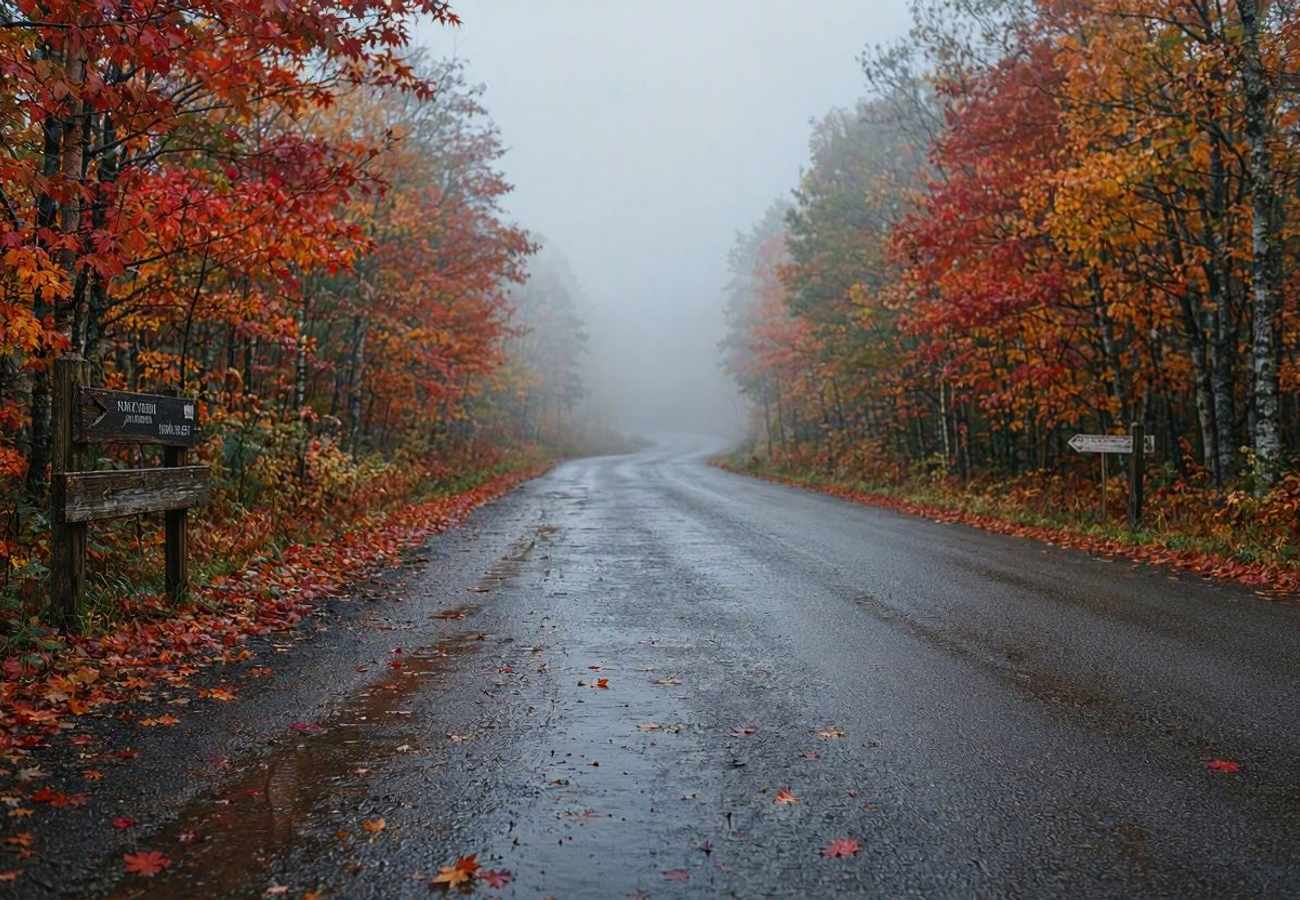
Image generated by AI
Three high-traffic zones within Cape Breton Highlands National Park were shuttered on September 25, 2026, after a coyote bit a visitor the previous evening. The emergency closures, enacted by Parks Canada, target specific corridors along the Cabot Trail to allow wildlife officers to assess the threat level and ensure visitor safety during the peak autumn sightseeing window.
Targeted Closures Along the Cabot Trail
The incident occurred on the evening of Thursday, September 24, specifically within the MacIntosh Brook area. While the park remains open in its entirety, the restricted zones are concentrated in a high-density tourist corridor. The closures include MacIntosh Brook, Lone Shieling, and all adjacent roadside pull-offs.
For those planning itineraries, these restrictions eliminate access to two primary attractions:
| Restricted Site | Distance/Type | Key Features |
|---|---|---|
| MacIntosh Brook | 1.1-mile round-trip | Old-growth Acadian forest and waterfall; includes a small campground. |
| Lone Shieling | 0.4-mile loop | Protected hardwood forest featuring 350-year-old sugar maples. |
The MacIntosh Brook site is situated in the Grande Anse Valley, approximately 3 miles from Pleasant Bay. Travelers are warned that because the closure extends to highway pull-offs, attempting to stop at an unmarked roadside area near these sites may result in entering a restricted zone.
Expert Analysis: The "Eastern Coyote" Risk Profile
For travelers accustomed to the smaller coyotes of the American West, the wildlife in Nova Scotia presents a different biological reality. The animals in Cape Breton are Eastern Coyotes, a hybrid species resulting from the interbreeding of western coyotes and wolves in Ontario and Quebec before migrating into Nova Scotia in the late 1970s.
The direct consequence for the traveler is an animal that is physically larger, more powerful, and potentially more aggressive than the species found in the US Midwest or Southwest. This biological shift means that standard "small dog" assumptions about coyote behavior are dangerous.
The pricing of risk here is tied to human behavior. Parks Canada notes that animals lose their natural fear of humans when they associate vehicles and roadside stops with easy meals. The September 24 bite follows a pattern of escalating aggression; in September 2023, a cyclist was bitten on the forearm near Green Cove, and a fatal attack was recorded in the park as far back as 2009. When coyotes transition from scavenging to active predation or aggression toward humans, the regulatory response is typically swift and may include the lethal removal of the animal, as seen in the 2023 incident.
Key Takeaways
- Closed Areas: MacIntosh Brook, Lone Shieling, and nearby pull-offs are off-limits as of September 25, 2026.
- Operational Status: The rest of the park, including the majority of the Cabot Trail, remains open. Staffed visitor services are available until October 25, 2026.
- Behavioral Mandate: Never run from a coyote, as they can reach speeds of 40 mph. Instead, make noise, appear large, and back away slowly.
- Reporting: Any suspicious wildlife behavior should be reported immediately to the Parks Canada dispatch at 1-877-852-3100.
- Prevention: Secure all food and waste in campgrounds to prevent animals from associating humans with food sources.
FAQ: Cape Breton Wildlife Safety 2026
Is the entire Cape Breton Highlands National Park closed? No. Only the MacIntosh Brook and Lone Shieling areas, including their respective pull-offs, are temporarily closed. The rest of the park and the Cabot Trail remain accessible to the public.
What should I do if a coyote attacks me? Contrary to bear safety, you should not play dead. Fight back aggressively, shout, throw stones, and use any available objects to defend yourself.
Why are the coyotes in Nova Scotia more dangerous? Eastern coyotes have wolf ancestry, making them larger and stronger than western coyotes. They are more likely to exhibit predatory behavior if they have become habituated to human food.
When do visitor services end for the season? Staffed visitor services in Cape Breton Highlands National Park operate through October 25, 2026.
Stay alert and keep your distance; the highlands are beautiful, but the wildlife is not a tourist attraction.
Related Travel Guides
Disclaimer
This article is for informational and educational purposes only. It does not constitute legal, financial, or professional advice. While we strive to provide accurate and up-to-date information, travel policies, regulations, and conditions change rapidly. Always verify information with official sources before making travel decisions. Nomad Lawyer makes no representations about the accuracy, reliability, completeness, or suitability of the information provided. Readers should consult qualified professionals for advice specific to their circumstances. The views expressed in this article are those of the author and do not necessarily reflect the views of Nomad Lawyer.
Naina Thakur
Contributor & Travel Specialist
Travel enthusiast and legal writer covering visa regulations, responsible tourism, and cultural journeys across global destinations.
Learn more about our team →