
US Travelers Adopt Generative AI for Holiday Planning Across Generations
Phocuswright research reveals how Gen Z, Millennials, and Baby Boomers use generative AI for destination discovery and itinerary planning in 2026.

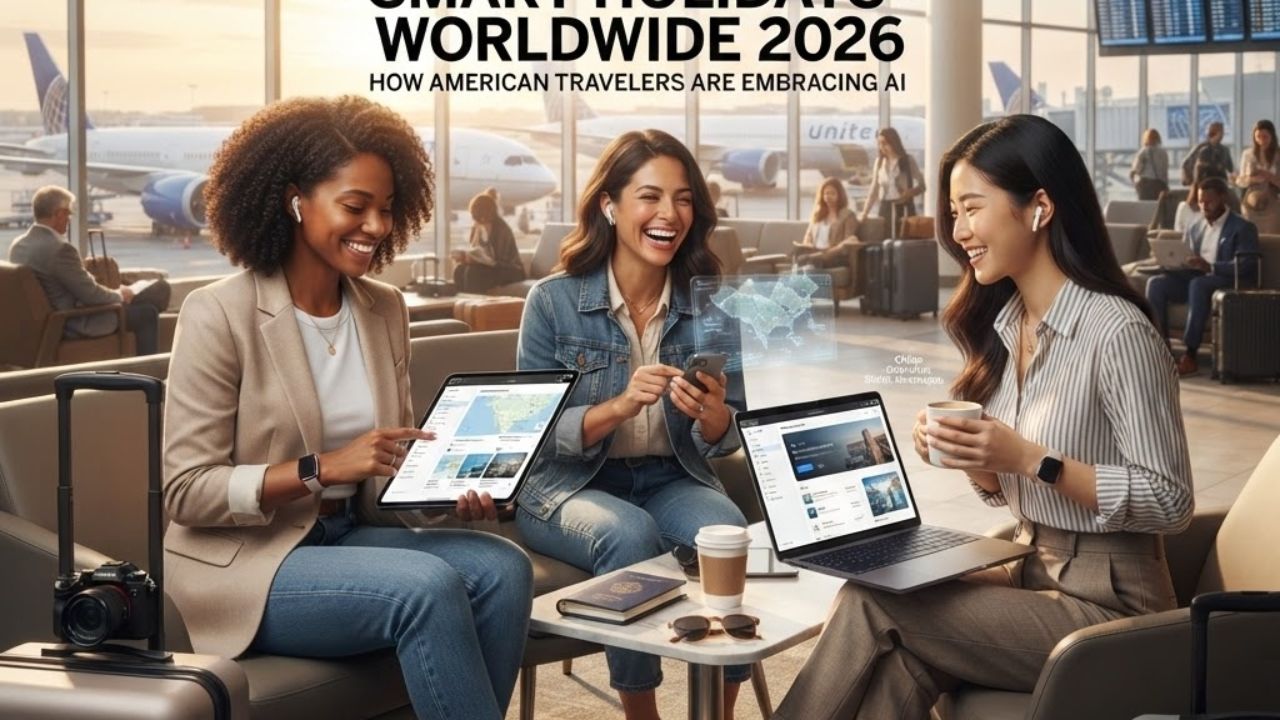
Image generated by AI
US Travelers Adopt Generative AI for Holiday Planning Across Generations
SEO Title: US Travelers AI Planning: Generational Trends & Flight Rights
Meta Description: Phocuswright reports US generational shifts in AI travel planning. Compare Gen Z and Boomer tools, booking trust factors, and US DOT flight refund rights.
Slug: us-travelers-generative-ai-holiday-planning-2026
Standfirst: New York, July 26, 2026 — Travel technology registries confirm that US travelers adopt generative AI tools for holiday planning, showing distinct usage habits between younger and older generations. The consumer market is shifting.
Three Headlines
Factual / News Headline
- Phocuswright Research Highlights Generational Discrepancy in AI-Powered Holiday Planning as Gen Z and Millennials Embrace Conversational Assistants
Curiosity-Gap (Discover) Headline
- How Younger US Travelers are Secretly outsourcing Their Full Vacation Planning to Generative AI While Boomers Hold Back
Problem-Solving (Search) Headline
- How to Plan a Vacation Using Conversational AI Safely and Your Rebooking Rights for Connection Errors
Article
New York, July 26, 2026 — Travel technology registries confirm that US travelers adopt generative AI tools for holiday planning, showing distinct usage habits between younger and older generations. The consumer market is shifting.
Aviation and travel commerce registries indicate that younger consumers utilize conversational AI to build complex, multi-stop itineraries. In contrast, older age groups display greater caution, relying on traditional booking channels and using automated platforms primarily for simple destination lookups.
Generational Divide and Travel Technology Trust Factors
Phocuswright's summer 2026 survey highlights distinct generational behaviors:
- Gen Z & Millennials: Leading adoption by using conversational platforms as interactive digital travel advisors to explore destinations.
- Gen X & Baby Boomers: Approaching AI tools cautiously, limiting usage to specific factual queries rather than complex itinerary development.
- Destination Discovery: AI recommendations help travelers filter choices based on budgets, outdoor interests, and culinary preferences.
- Cross-Checking Habits: Across all age groups, travelers verify AI suggestions by checking official airline and hotel booking pages.
- Corporate Integration: Travelers display higher trust when AI features are native to established online travel agencies.
Data Table
Generational AI Travel Planning Adoption & Platform Trust Index (2026)
| Generation Group | Primary AI Travel Use Case | Average Prompt Complexity | Trust in AI Recommendations (%) | Primary Verification Source |
|---|---|---|---|---|
| Gen Z (under 30) | Itinerary builds & sightseeing ideas | High (conversational threads) | 74.0 | Social media & blogs |
| Millennials (30-45) | Flight comparisons & hotel options | High (multiple budget prompts) | 68.0 | Official hotel websites |
| Gen X (46-60) | Quick factual lookups & weather | Medium (direct questions) | 48.0 | Airline direct portals |
| Baby Boomers (61+) | Basic destination search assistance | Low (one-off searches) | 31.0 | Offline travel agents & maps |
AI Booking Glitches, Connection Limits, and Passenger Rights
For travelers using AI schedulers to book flights and accommodation:
- Connection Flight Rebooking Rights: If an AI booking assistant coordinates a flight connection below the airport's minimum connect time (e.g., 30 minutes at JFK) and you miss it, the airline must rebook you, but is not responsible for hotel costs since the passenger's ticketing tool caused the error.
- US DOT Domestic Cancellation Rights: If your AI-planned flight is canceled by the airline due to weather or system failures, you are entitled to a full cash refund of the ticket cost if you choose not to proceed.
- Tarmac Delay Safety Policies: Under DOT rules, airlines cannot keep passengers onboard a domestic flight at JFK or LGA for over three hours without returning to the gate, supplying water within two hours.
- Controllable Delays: If the delay is controllable (maintenance, crew issues) and exceeds three hours, carriers are committed to providing meal vouchers, and lodging if the delay extends overnight.
- Third-Party App Warnings: Travelers are advised to check all AI-generated booking references directly on the operating carrier's app to ensure ticket validation.
Why This Matters
For travelers on this route, the real impact is that because AI tools do not check live gate changes or pilot scheduling shortages, relying solely on an automated itinerary can result in missed connections during summer storm delays. From a logistical perspective, this means that travelers should download the official airline application to verify flight status. Travelers must cross-reference hotel locations to prevent booking rooms too far from target transit hubs.
Industry Outlook
Airlines are introducing automated flight rebooking systems that coordinate international connecting routes during peak holiday travel periods. As border control gates install electronic passport readers, clearance queue times will decrease. Over the next year, expect carriers to launch integrated flight compensation claim tools inside passenger applications. This digital processing will support traveler protection.
Related Travel Guides
Disclaimer
This article is for informational and educational purposes only. It does not constitute legal, financial, or professional advice. While we strive to provide accurate and up-to-date information, travel policies, regulations, and conditions change rapidly. Always verify information with official sources before making travel decisions. Nomad Lawyer makes no representations about the accuracy, reliability, completeness, or suitability of the information provided. Readers should consult qualified professionals for advice specific to their circumstances. The views expressed in this article are those of the author and do not necessarily reflect the views of Nomad Lawyer.
Preeti Gunjan
Contributor & Community Manager
A passionate traveller and community builder. Preeti helps grow the Nomad Lawyer community, fostering engagement and bringing the reader experience to life.
Learn more about our team →