
US Travel Booking Anxiety Surges in 2026: Why Cancellation Fears Eclipse European Markets and How to Protect Your Trips

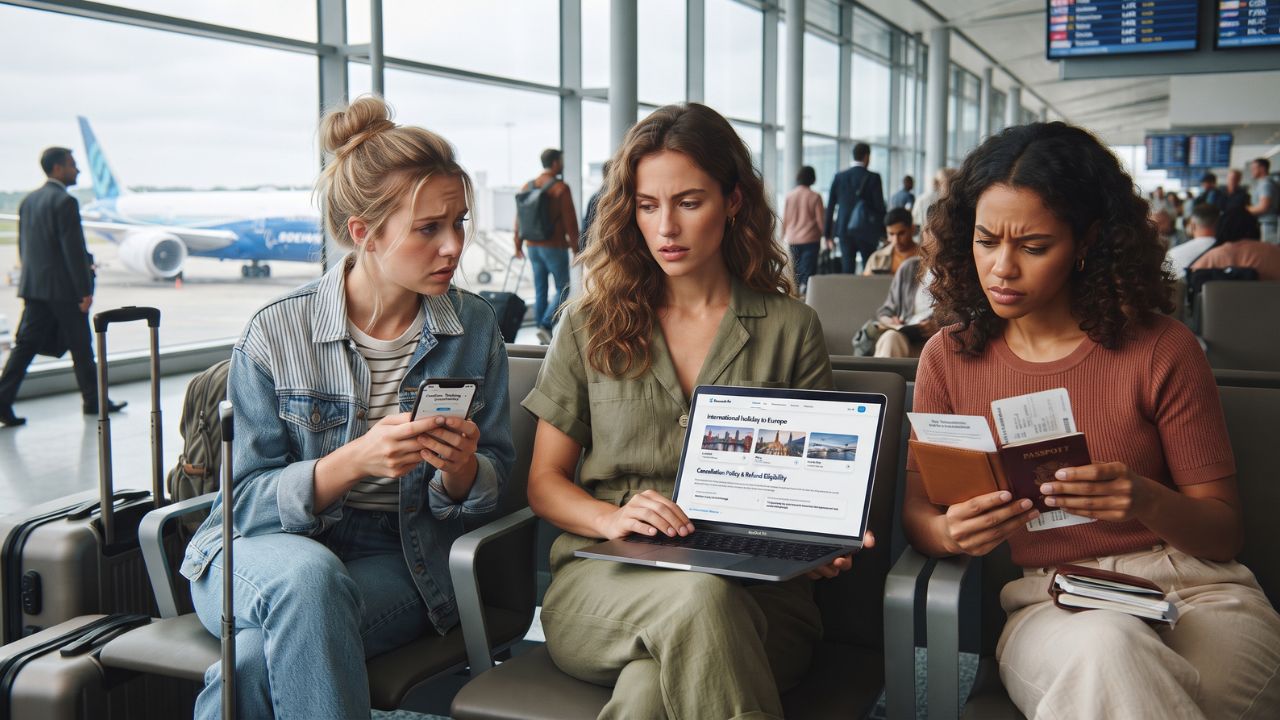
Roughly one in three American travelers now suffers from extreme or high anxiety when booking international trips—making US holidaymakers more than four times as likely as German travelers to dread the final checkout button. While a calm 7% of German travelers report severe hesitation when reserving flights and hotels, an eye-opening one in five American travelers abandons their reservation cart entirely before confirming payment, haunted by recent travel disruptions and murky cancellation terms.
Divergent Booking Psychology: The Transatlantic Anxiety Divide
The international travel landscape is witnessing a profound shift in consumer psychology. According to comprehensive market research conducted by Phocuswright in May 2026 and published in September—with further detailed findings examined in October 2026—American consumers approach international trip reservations with significantly more dread than their European counterparts. The study, commissioned by Protect Group across ten major markets in North America, Europe, and Asia-Pacific, evaluated adults aged 18 and older who actively organize leisure getaways and cross international borders on a routine basis.
Across the United States, approximately 33% of respondents reported extreme or high anxiety during the holiday reservation cycle. In contrast, that anxiety level dropped to 15% in the United Kingdom, 14% in France, and bottomed out at just 7% across Germany. This contrast reveals that international tour companies, accommodation providers, and flight booking portals cannot deploy identical marketing and cancellation guarantees across the globe.
More than half of American travelers indicated that their booking apprehension has climbed noticeably over the previous two to three years. In Western Europe, by comparison, roughly one-third of travelers surveyed across the UK, France, and Germany reported a comparable rise. This divergence does not signal that Americans are staying home; international visitor arrivals remain robust. Instead, hesitation manifests during transaction workflows, altering how travelers compare policies, evaluate refundable hotel rooms, and manage credit card outlays.
Disruption Scars and the Rise of Cart Abandonment
The primary catalyst fueling this reservation hesitation is straightforward: direct personal exposure to chaotic itineraries. Over the preceding 12 months, only 36% of American travelers managed to avoid flight delays, schedule terminations, or event cancellations. Conversely, 55% of holidaymakers in both the United Kingdom and Germany enjoyed a disruption-free year. In the surveyed Asia-Pacific markets, fewer than half of respondents escaped itinerary headaches.
These operational breakdowns leave deep psychological impressions. Experiencing missed connections or fighting automated airline phone trees transforms future purchasing habits. Travelers spend extended hours scrutinizing fine print, comparing refund timelines, and evaluating coverage policies before committing personal funds. Many travelers postpone securing tickets until weeks or days before departure, while others abandon complex multicity routes entirely in favor of direct hops.
This nervousness reaches a fever pitch at the digital point of sale. Phocuswright confirmed that 20% of American travelers have abandoned a booking directly at the checkout screen. As vacationers progress from selecting dates to reviewing taxes, baggage fees, and restrictive non-refundable clauses, checkout friction intensifies. Without transparent, plain-language refund mechanisms, travelers walk away from reservations they spent hours designing.
Global Travel Booking Anxiety and Protection Demand Compared
The survey across ten international source markets highlights striking differences in anxiety prevalence, historical disruption rates, and consumer interest in refund protection add-ons:
| Country & Regional Market | Severe Booking Anxiety Rate | Travelers Free From Disruption (Past 12 Months) | Refund Protection Purchase Interest | Preferred Flexibility Model |
|---|---|---|---|---|
| United States | ~33% (1 in 3) | 36% | 68% | Higher initial price with built-in free cancellation |
| United Kingdom | 15% | 55% | ~50% | Integrated booking coverage with established policy terms |
| France | 14% | ~50% | ~52% | Higher upfront base fare inclusive of cancellation flexibility |
| Germany | 7% | 55% | ~40% | Statutory consumer protections and annual standalone travel policies |
| China | Moderate | <50% | 88% | Lower base cost paired with separate add-on refund protection |
| South Korea | Moderate | <50% | 75% | Modular protections and instant digital claim processing |
| Malaysia | Moderate | <50% | High | Unbundled low entry pricing with optional refund protection |
| Australia | Moderate | <50% | Moderate | Comprehensive international travel insurance packages |
| Japan | Low-Moderate | <50% | Moderate | Structured domestic travel agency packages and carrier guarantees |
| Singapore | Moderate | <50% | High | Transparent digital checkout with instant refund options |
What Makes Regional Booking Habits Different: Upfront Bundling vs Unbundled Protection
Travelers across the globe resolve booking hesitation through very different financial mechanisms. In the United States and France, consumers overwhelmingly favor all-inclusive transparency: they prefer paying a higher initial rate that features complimentary cancellation up to 24 or 48 hours prior to arrival. Having an unambiguous "cancel anytime" buffer gives Western travelers peace of mind to lock in lodging months ahead.
In contrast, consumers in China and Malaysia lean toward unbundled, modular purchasing. In China, where an astounding 88% of respondents expressed interest in refund protection, and South Korea, where 75% sought protection, travelers prefer baseline rates stripped of built-in contingencies. They prefer deciding at checkout whether to purchase affordable, stand-alone refund protection. Across all ten surveyed countries, receiving a 100% cash refund ranked as the single most compelling feature travelers demanded.
Brand loyalty also hinges directly on refund clarity. Phocuswright found that platforms offering clear refund mechanisms enjoyed dramatic gains in repeat booking intent: 57% in the United States, 49% in the United Kingdom, and 39% in China stated they would actively return to an operator that provided reliable cancellation safeguards.
Visitor Insider Tips: Securing Your Itinerary Without Overpaying
Seasoned travelers handle reservation anxiety not by buying every insurance upsell, but through tactical booking habits:
- Audit Credit Card Protections Before Buying Add-Ons: Premium travel cards frequently carry automatic trip cancellation and interruption insurance that covers non-refundable bookings due to sudden illness or severe weather. Review your benefits guide before paying third-party online travel agency (OTA) checkout surcharges.
- Calculate the 10% Flexibility Rule for Hotels: When selecting lodging on major platforms, refundable room options typically cost 8% to 15% more than non-refundable deals. If your travel dates fall during shoulder seasons or peak storm windows, that small premium saves hundreds of dollars if plans change.
- Understand the US DOT 24-Hour Rule: Under US Department of Transportation Aviation Consumer Protection mandates, airlines flying to or from the United States must allow travelers to hold a reservation at the quoted fare for 24 hours without payment, or cancel a booked ticket within 24 hours of purchase for a full refund without penalty, provided the reservation is made at least seven days before departure.
- Leverage European Air Passenger Rights (EU261/UK261): German and British travelers report low anxiety largely because the European Commission Air Passenger Rights framework and UK Civil Aviation Authority enforce mandatory financial compensation between €250 and €600 for extensive flight delays, cancellations, and involuntary denied boarding.
- Book Flights Directly with the Operating Carrier: While booking aggregators show attractive rates, third-party ticketing introduces administrative bottlenecks when schedules shift. Reserving directly through the airline ensures instant rebooking access during weather grounding events without third-party handling fees.
Cultural and Environmental Context: Regulatory Safety Nets and Sustainable Traveler Confidence
The stark contrast between American anxiety (33%) and German calmness (7%) reflects deeper institutional and cultural factors rather than vacation personalities. Western Europe benefits from decades of consumer protection legislation. In Germany, travelers rely on the package travel directive and statutory liability rules that hold tour operators legally responsible for hotel closures, rail cancellations, and sudden strike actions. Furthermore, German leisure travelers routinely maintain comprehensive annual international travel insurance policies (Auslandskrankenversicherung and Reiserücktrittsversicherung), rendering checkout-level protection add-ons redundant.
In the United States, airline deregulation and private consumer liability place the financial burden squarely on individual travelers. If an airline terminates a flight due to meteorological disruptions or air traffic control halts, hotels, excursions, and domestic connecting tickets remain non-refundable unless the traveler purchased comprehensive coverage.
From an environmental standpoint, heightened booking hesitation is reshaping international travel patterns. Vacationers anxious about flight disruptions increasingly favor longer stays in fewer hubs, reducing multileg domestic transfers. As international travelers demand greater accountability from travel providers, clear booking standards empower consumers to support regional communities with confidence.
FAQ: Managing Travel Booking Anxiety in 2026
Why do American travelers feel more booking anxiety than Europeans?
Americans face higher rates of travel disruptions (only 36% avoided issues in 2026) and lack universal statutory compensation protections like EU261, exposing them to greater out-of-pocket cancellation risks.
What is the most sought-after refund protection feature globally?
Across all ten surveyed international markets, receiving a 100% full cash refund emerged as the single most attractive flexibility feature among travelers.
Does travel booking anxiety cause international tourism arrivals to fall?
No. The Phocuswright research shows traveler confidence impacts purchasing habits, checkout abandonment, and product selection, rather than overall long-term international passenger volumes.
When does booking anxiety peak during trip planning?
Anxiety steadily climbs as travelers move through the selection funnel, peaking at the final checkout and payment screen when restrictive terms appear.
[True peace of mind on the road begins before departure, when transparent booking choices replace the fear of lost holidays with the freedom of flexible exploration.]
Related Travel Guides
Disclaimer
This article is for informational and educational purposes only. It does not constitute legal, financial, or professional advice. While we strive to provide accurate and up-to-date information, travel policies, regulations, and conditions change rapidly. Always verify information with official sources before making travel decisions. Nomad Lawyer makes no representations about the accuracy, reliability, completeness, or suitability of the information provided. Readers should consult qualified professionals for advice specific to their circumstances. The views expressed in this article are those of the author and do not necessarily reflect the views of Nomad Lawyer.
Raushan Kumar
Founder & Lead Developer
Full-stack developer with 11+ years of experience and a passionate traveller. Raushan built Nomad Lawyer from the ground up with a vision to create the best travel and law experience on the web.
Learn more about our team →