
US Advisory Review for Jammu and Kashmir Could Unlock International Tourism Revival
US Ambassador to India Sergio Gor's visit to Srinagar has triggered a formal review signal on the existing US travel advisory for Jammu and Kashmir, with hotel operators, trekking guides, handicraft artisans, and regional tour operators anticipating a cascading policy shift that could restore international visitor flows to the valley.

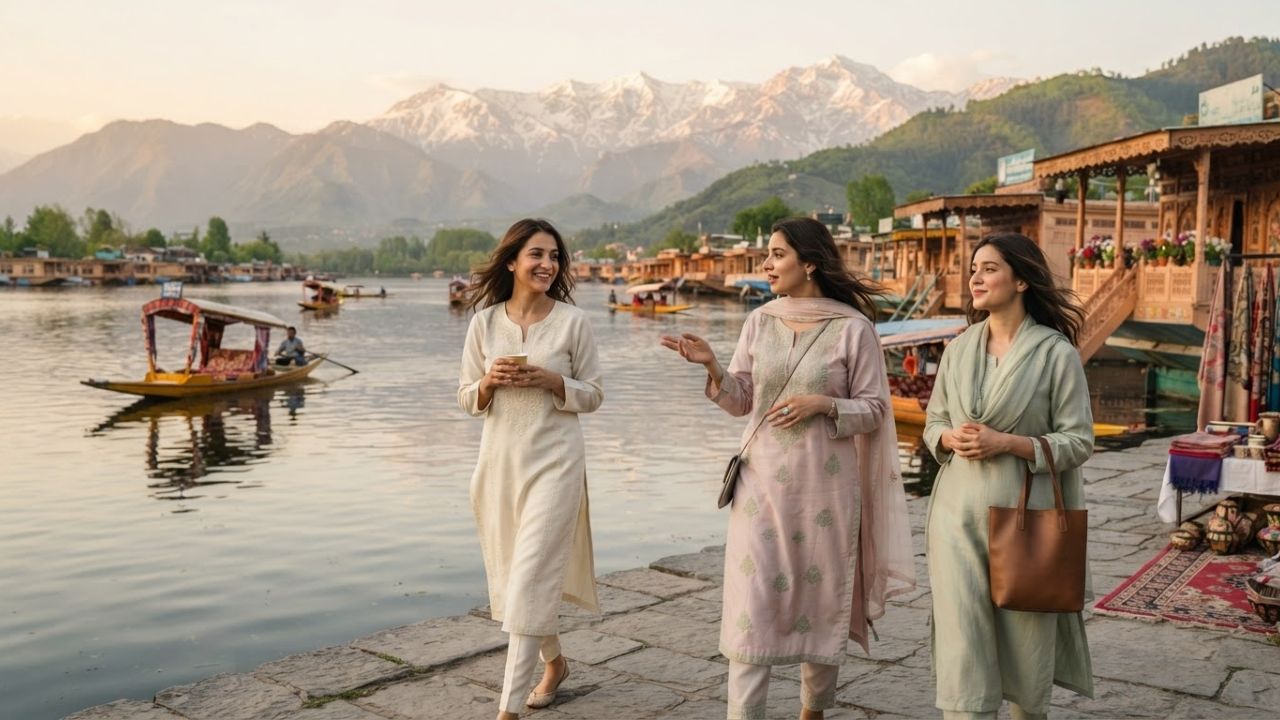
Image generated by AI
US Ambassador to India Sergio Gor's visit to Srinagar has produced a formal signal that the existing US travel advisory for Jammu and Kashmir is under active review — a development that regional hotel operators, trekking businesses, and handicraft artisans are now treating as the most significant policy shift for international tourism in the valley in years.
Government travel advisories shape traveler behavior at a scale that no amount of destination marketing can override. For Jammu and Kashmir, a region whose natural and cultural credentials have long outpaced its international visitor numbers, a US advisory downgrade would represent the removal of one of the most persistent structural barriers to foreign tourism — and its effects are expected to extend well beyond the valley's borders.
US Ambassador Sergio Gor's Srinagar Visit Triggers Advisory Review Signal
SRINAGAR, August 21, 2026 — During a visit to Srinagar, US Ambassador to India Sergio Gor conveyed that a formal review of the current US travel advisory for the Jammu and Kashmir region is being contemplated by American authorities. The Ambassador also emphasized the status of Jammu and Kashmir as an integral part of India, a diplomatic framing that industry observers are reading as a deliberate shift in the bilateral conversation around the region's security profile.
Official travel advisories issued by governments carry significant weight among international travelers. For many nationals, particularly Americans, the US Department of State's tiered advisory system — ranging from Level 1 (Exercise Normal Precautions) to Level 4 (Do Not Travel) — functions as the primary filter through which destination safety is assessed before booking decisions are made.
An advisory revision for Jammu and Kashmir would therefore not simply adjust the formal language on a government web page. It would alter the risk calculus for a substantial segment of potential international visitors who currently defer to that guidance.
How Travel Advisories Have Shaped Kashmir's International Visitor Numbers
The weight that government advisories carry in shaping international tourist flows is well-documented. In the case of Jammu and Kashmir, sustained cautionary guidance from multiple Western governments has historically suppressed international arrivals, even during periods when on-the-ground conditions did not match the severity implied by advisory language.
Those foreign visitors who do travel to the valley have consistently reported experiences defined by the region's extraordinary natural landscape, its Sufi cultural traditions, and the quality of local hospitality. The gap between that documented visitor experience and the external perception sustained by advisory language has been one of the most discussed structural challenges for Kashmir's tourism economy.
The potential advisory review represents a movement toward closing that gap — aligning the formal assessment of the region with the conditions that arriving travelers are actually encountering.
The Cascading Effect: How a US Downgrade Could Shift Perceptions Globally
Among industry stakeholders in the region — hotel operators, travel agents, trekking guides, and artisan producers — a consensus has formed that a US advisory revision would not function in isolation.
The US advisory system carries significant weight among allied nations. When the State Department revises its guidance on a destination, governments in the United Kingdom, Australia, Canada, and across the European Union frequently treat that revision as a relevant data point in their own advisory processes. A US downgrade for Jammu and Kashmir therefore carries the potential to trigger a chain of reassessments across multiple major tourism source markets simultaneously.
This cascading effect is what regional stakeholders are most closely watching. An adjustment in American guidance would expand the pool of international travelers for whom Kashmir moves from "avoid" or "exercise extreme caution" into a category that permits active trip planning.
What a Revised Advisory Means for Travelers Planning Kashmir Visits
For the traveler, the practical implications are direct and immediate.
International tourists — particularly those from the United States, Europe, and Australia — frequently purchase travel insurance policies that reference or exclude destinations carrying elevated government advisory designations. A downgraded advisory level can remove that insurance barrier entirely, making coverage available for Kashmir visits that would currently be either excluded or priced prohibitively.
Corporate travel programs, which typically prohibit employee travel to Level 3 and Level 4 advisory destinations, would similarly be affected. Business travelers and conference delegates — a category that generates high accommodation spend — could become accessible to Srinagar's hospitality sector for the first time in years.
For leisure travelers, the psychological dimension is equally significant. Research across destination marketing consistently shows that the removal of an official caution produces a disproportionate increase in booking intent, because it eliminates the primary obstacle that prevented travelers from acting on an existing interest in the destination.
Kashmir's Seasonal Tourism Patterns and When an Advisory Shift Would Have Maximum Impact
Understanding the valley's seasonal dynamics is important for assessing how and when a revised advisory would translate into measurable arrival numbers.
Domestic tourism in Jammu and Kashmir peaks between April and June, driven by regional school holiday calendars and the spring and early summer climate. International visitors operate on a different seasonal rhythm, with the period from July onwards representing the primary window for trekking, cultural immersion, and engagement with the region's high-altitude landscapes.
An advisory revision announced or implemented before the July international travel season would have the most immediate commercial impact — arriving in time for forward booking decisions that typically solidify six to ten weeks before travel dates. Revisions announced later in the year would still carry long-term significance but would produce their primary booking impact in the following year's travel season.
The distinction between domestic and international seasonality also points to a structural opportunity. If an advisory change expands international arrivals from July through September, it would supplement rather than compete with the domestic peak period — producing a more evenly distributed annual visitor flow that reduces the feast-or-famine economics that currently characterize the region's hospitality sector.
Kashmir's Handicraft Economy Stands to Benefit Directly From International Visitor Growth
Beyond accommodation and trekking revenues, the potential advisory downgrade carries specific implications for the handicraft sector — a cornerstone of the Jammu and Kashmir regional economy that has historically depended on international consumer interest for both sales volume and price realization.
Traditional Kashmiri carpets, Pashmina shawls, and papier-mâché items occupy a recognized position in the global luxury craft market. Their cultural and artistic value is well established among international buyers. However, the conversion of that global recognition into direct sales has been constrained by the absence of international tourists in the valley's markets and the dependence on intermediary export channels.
International visitors who travel to the source region typically spend at higher average rates on handicraft purchases than remote buyers do through export intermediaries, and their direct engagement with artisan workshops and traditional production methods creates the kind of cultural commerce that sustains craft traditions across generations.
A sustained recovery of international visitor numbers would therefore support not only the economic viability of individual artisan producers but also the intergenerational transmission of craft skills that is essential for the long-term survival of these traditions.
From Blanket Caution to Evidence-Based Assessment: How Advisory Policy Is Evolving
Viewed against the history of advisory policy for Jammu and Kashmir, the current review signal marks a meaningful methodological shift.
In previous years, advisories for the region were maintained for extended periods without substantive revision, functioning as standing guidance rather than dynamically updated assessments. That static approach meant that improvements in local security conditions and visitor experiences were not reflected in formal advisory language with any regularity — leaving the external perception of the region frozen at a point that no longer matched the lived reality for either residents or arriving travelers.
The movement toward a formal, evidence-based review process — as signaled by Ambassador Gor's visit — represents a more responsive model of advisory management. It acknowledges that security conditions in complex regions do evolve, and that government guidance should track those conditions rather than default to caution regardless of current circumstances.
For the region's tourism ecosystem, this methodological evolution matters as much as the specific outcome of any individual review. A government that reviews and updates advisories regularly provides operators with more actionable planning guidance than one that issues and then maintains static warnings for years at a time.
Why This Advisory Shift Matters for India's Inbound Tourism Strategy
The potential Kashmir advisory revision arrives at a moment when India's inbound international tourism sector is actively rebuilding and scaling capacity across multiple regions.
Jammu and Kashmir holds assets that very few global destinations can claim: the Himalayas, Dal Lake, Mughal gardens, Sufi shrines, high-altitude trekking routes, and a craft culture of internationally recognized depth. These are not niche attractions — they are genuinely world-class travel experiences that, in the absence of advisory friction, would compete strongly for travelers currently choosing Nepal, Bhutan, or the Swiss Alps.
For the traveler weighing options, a Kashmir visit at current prices — with accommodation, guides, and handicraft purchases all positioned at rates that reflect the suppressed demand of recent years — represents significant value relative to comparable Himalayan or European Alpine destinations. An advisory downgrade would accelerate the price discovery process that typically accompanies the normalization of a previously constrained destination, meaning travelers who move early in a post-advisory-revision cycle typically experience the best combination of access, authenticity, and value.
FAQ: US Travel Advisory for Jammu and Kashmir 2026
What did US Ambassador Sergio Gor signal during his Srinagar visit? Ambassador Sergio Gor indicated during his visit to Srinagar that a formal review of the existing US travel advisory for Jammu and Kashmir is under consideration. He also emphasized the status of Jammu and Kashmir as an integral part of India, a statement that industry observers are interpreting as a positive diplomatic signal for the region's international travel prospects.
How do US travel advisories affect tourism to Jammu and Kashmir? The US State Department's advisory system is used by travelers to assess destination safety and is referenced by travel insurers, corporate travel programs, and allied governments when setting their own guidance. A downgraded advisory for Kashmir would remove insurance barriers, open the region to corporate travelers, and likely trigger reassessments by UK, Australian, Canadian, and European government advisory bodies.
When is the best time for international tourists to visit Jammu and Kashmir? International tourists have historically favored the period from July onwards for visits to Jammu and Kashmir, when conditions are best suited to trekking, cultural immersion, and engagement with high-altitude landscapes. Domestic tourism peaks earlier, between April and June, aligned with regional school holidays and spring weather patterns.
Which Kashmiri handicrafts benefit most from increased international tourism? Traditional Kashmiri carpets, Pashmina shawls, and papier-mâché items are the craft categories most directly connected to international visitor spending. International tourists purchasing from artisan workshops in the valley typically spend at higher rates than buyers through export intermediaries, and their presence supports the economic viability and generational continuity of these craft traditions.
Related Travel Guides
Disclaimer
This article is for informational and educational purposes only. It does not constitute legal, financial, or professional advice. While we strive to provide accurate and up-to-date information, travel policies, regulations, and conditions change rapidly. Always verify information with official sources before making travel decisions. Nomad Lawyer makes no representations about the accuracy, reliability, completeness, or suitability of the information provided. Readers should consult qualified professionals for advice specific to their circumstances. The views expressed in this article are those of the author and do not necessarily reflect the views of Nomad Lawyer.
Kunal K Choudhary
Co-Founder & Contributor
A passionate traveller and tech enthusiast. Kunal contributes to the vision and growth of Nomad Lawyer, bringing fresh perspectives and driving the community forward.
Learn more about our team →