
Threatened Take Canadian Airspace: US F-35 Fighter Jet Ultimatum 2026
The US threatened to take Canadian airspace control unless Canada purchases F-35 stealth fighters, escalating defense tensions in 2026. NORAD operations now at risk amid Trump administration pressure on military procurement.

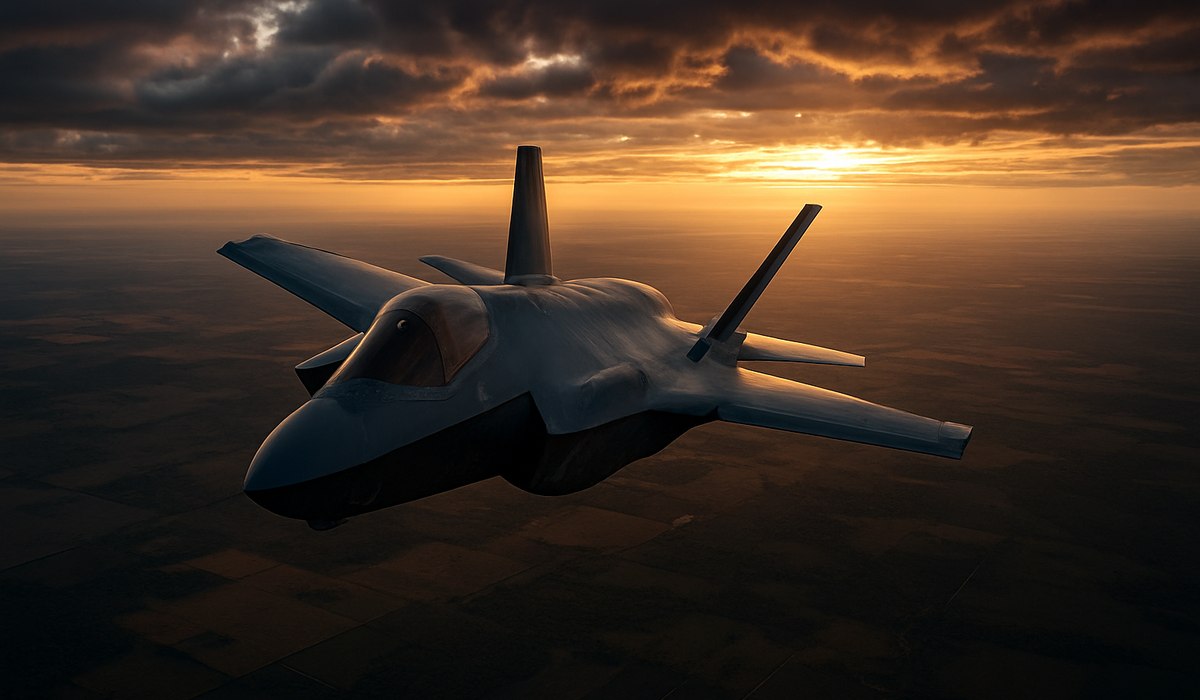
Image generated by AI
Geopolitical Crisis Threatens North American Aviation Operations
The United States has threatened to assume control of Canadian airspace unless the Royal Canadian Air Force commits to purchasing Lockheed Martin F-35 Lightning II stealth fighters. This unprecedented ultimatum, tied to the Trump administration's defense procurement policies, creates immediate complications for civil aviation across North America. The threatened takeover of Canadian airspace directly impacts passenger flights, international routes, and bilateral aviation agreements that have governed cross-border travel for decades. Major Canadian airlines including Air Canada, WestJet, and Porter Airlines now face operational uncertainty as NORAD (North American Aerospace Defense Command) coordination hangs in the balance.
The conflict stems from Canada's hesitation regarding the F-35 acquisition amid budget constraints and domestic political debate. Rather than negotiate flexibly, the Trump administration has escalated rhetoric, demanding compliance with defense spending targets tied to NATO commitments. This hardline approach represents a dramatic shift from decades of cooperative continental defense policy.
The F-35 Ultimatum: US Threatens Airspace Takeover
The core dispute centers on fighter jet procurement decisions that carry implications far beyond military strategy. Canada's threatened take of airspace controls would fundamentally alter how civilian aircraft operate across Canadian territory, affecting everything from flight planning to fuel consumption calculations.
Under current NORAD agreements, the United States and Canada jointly manage continental airspace security. A hostile takeover of Canadian airspace would require rerouting thousands of daily commercial flights, creating bottlenecks at major hubs like Toronto Pearson, Vancouver International, and Montreal-Trudeau airports. Airlines would face increased fuel costs, extended flight times, and potential scheduling disruptions affecting passengers traveling between the US and Canada or transiting through Canadian airspace.
The F-35 Lightning II represents one of the most expensive military procurement programs globally. Canada has historically wavered on full commitment, citing costs exceeding CAD $77 billion over the program's lifecycle. The Trump administration views this reluctance as insufficient defense spending by a NATO ally, using airspace control as leverage for political pressure.
Canada's Defense Budget Pressures and Strategic Implications
Threatened take-over scenarios require understanding Canada's genuine budgetary constraints. The Canadian Department of National Defence operates under significant fiscal limitations, with competing priorities including cyber defense infrastructure, naval modernization, and Arctic sovereignty capabilities.
Canada currently spends approximately 1.3% of GDP on defense—below NATO's 2% target. Adding F-35 commitments to existing budgets creates genuine resource allocation challenges. The government has balanced this against social programs, healthcare investments, and economic stimulus priorities that resonate with Canadian voters.
The Trump administration's ultimatum disregards these domestic considerations, treating airspace control as a negotiating tool rather than respecting Canadian sovereignty. This aggressive posture risks damaging bilateral relationships that underpin aviation safety cooperation, customs coordination at airports, and integrated border security protocols essential for seamless passenger travel.
Regional carriers operating within Canadian territory face potential operational chaos. Air Canada's domestic network serves over 215 destinations, many requiring airspace coordination with NORAD partners. A unilateral US takeover of airspace management would compromise flight safety protocols developed through decades of collaborative aerospace management.
NORAD and North American Security at Stake
NORAD's effectiveness depends on seamless cooperation between American and Canadian military personnel, civilian aviation authorities, and transcontinental flight coordination systems. The threatened takeover of Canadian airspace undermines this foundational partnership.
Established in 1957, NORAD represents one of North America's most successful binational institutions. The command structure coordinates fighter interception, surveillance operations, and emergency response protocols across the entire continent. Passenger safety relies on NORAD's ability to respond rapidly to aviation emergencies, unidentified aircraft, or security threats.
If the United States unilaterally assumes airspace control, NORAD's integrated command structure collapses. Canadian pilots and controllers would operate under American direction, eliminating Canadian operational input. This centralization creates liability concerns, operational inefficiencies, and potential conflicts between US military priorities and Canadian civilian aviation needs.
The threatened takeover also affects international aviation partnerships. Countries operating flights across North American airspace rely on established safety standards and dispute resolution mechanisms. A hostile control shift introduces uncertainty regarding flight routing, airspace restrictions, and emergency procedures.
Trump Administration's Hardline Stance on Defense Spending
The Trump administration has consistently pressured NATO allies regarding defense expenditure, viewing contributions through a transactional lens. This administration prioritizes US military industrial interests, including Lockheed Martin's F-35 program, which generates substantial American manufacturing jobs and geopolitical influence.
The ultimatum regarding Canadian airspace represents hardline negotiating tactics applied to ally relationships. Rather than working through NORAD structures or diplomatic channels, the administration weaponizes continental infrastructure to coerce procurement decisions.
This approach contradicts established norms of alliance management. Allies historically negotiate defense spending through NATO forums, bilateral defense ministerial meetings, and multilateral consensus-building. Using airspace control as leverage introduces unprecedented coercive elements into ally relationships.
Canadian policymakers face genuine dilemmas. Capitulating to F-35 procurement pressures suggests surrendering budgetary autonomy to external pressure. Resisting threatens operational disruptions affecting millions of passengers annually. The administration's tactics leave limited middle-ground compromise options.
Airline Operations and Route Disruptions
Major Canadian and American carriers operate integrated networks crossing shared airspace daily. Air Canada, WestJet, United Airlines, Delta Air Lines, and American Airlines coordinate schedules assuming seamless NORAD cooperation.
A threatened takeover scenario requires rerouting flights through alternative corridors, potentially adding 2-4 hours to cross-border journeys. This increases fuel costs, crew scheduling complications, and passenger layover periods. Airlines would face pressure implementing additional charges or schedule reductions.
Cross-border tourism markets depend on convenient air connections. Increased flight times and costs discourage leisure travel between US and Canadian destinations. Business travel suffers similar impacts, affecting corporate operations spanning North American offices.
Cargo operations utilizing Canadian airspace would face equivalent disruptions. Time-sensitive freight, pharmaceutical shipments, and perishable goods routes depend on predictable transit times. Forced rerouting compromises supply chain reliability.
| Aspect | Current Status | Threatened Scenario | Passenger Impact |
|---|---|---|---|
| Cross-border flight duration | Standard routing | +2-4 hours | Increased fatigue, missed connections |
| Fuel costs | Baseline calculations | +15-20% increase | Higher ticket prices |
| NORAD coordination | Binational command | US unilateral control | Reduced safety protocols |
| Airport congestion | Current capacity | Additional queuing | Extended delays |
| Airspace access | Guaranteed by agreement | Conditional on F-35 purchase | Flight cancellations possible |
| Customs processing | Streamlined procedures | Potential complications | Longer border clearance times |
Traveler Action Checklist
-
Monitor airline communications via email and apps from Air Canada, WestJet, United, and American Airlines for schedule changes or rerouting announcements.
-
Check FlightAware regularly for real-time flight tracking, delay information, and route modifications affecting your specific flights.
-
Contact your airline directly before booking cross-border flights to confirm current airspace access and verify no service disruptions affect your route.
-
Review travel insurance policies ensuring coverage includes geopolitical disruptions, airspace closures, or route changes caused by defense-related policy shifts.
-
Verify passport validity at least 6 months in advance, as extended processing times may occur during border coordination transitions.
-
Adjust travel schedules conservatively by booking flights with 3-4 hour layovers rather than tight connections during this uncertainty period.
-
**Consult [US DOT Consumer Protections](
Disclaimer
This article is for informational and educational purposes only. It does not constitute legal, financial, or professional advice. While we strive to provide accurate and up-to-date information, travel policies, regulations, and conditions change rapidly. Always verify information with official sources before making travel decisions. Nomad Lawyer makes no representations about the accuracy, reliability, completeness, or suitability of the information provided. Readers should consult qualified professionals for advice specific to their circumstances. The views expressed in this article are those of the author and do not necessarily reflect the views of Nomad Lawyer.
Preeti Gunjan
Contributor & Community Manager
A passionate traveller and community builder. Preeti helps grow the Nomad Lawyer community, fostering engagement and bringing the reader experience to life.
Learn more about our team →