
US Thanksgiving 2026: Macy's 100th Parade and Regional Shifts in Holiday Travel Patterns
As the US prepares for Thanksgiving on November 26, 2026, the centennial Macy's Parade and a shift toward historical tourism in Massachusetts and Virginia are redefining holiday travel data.

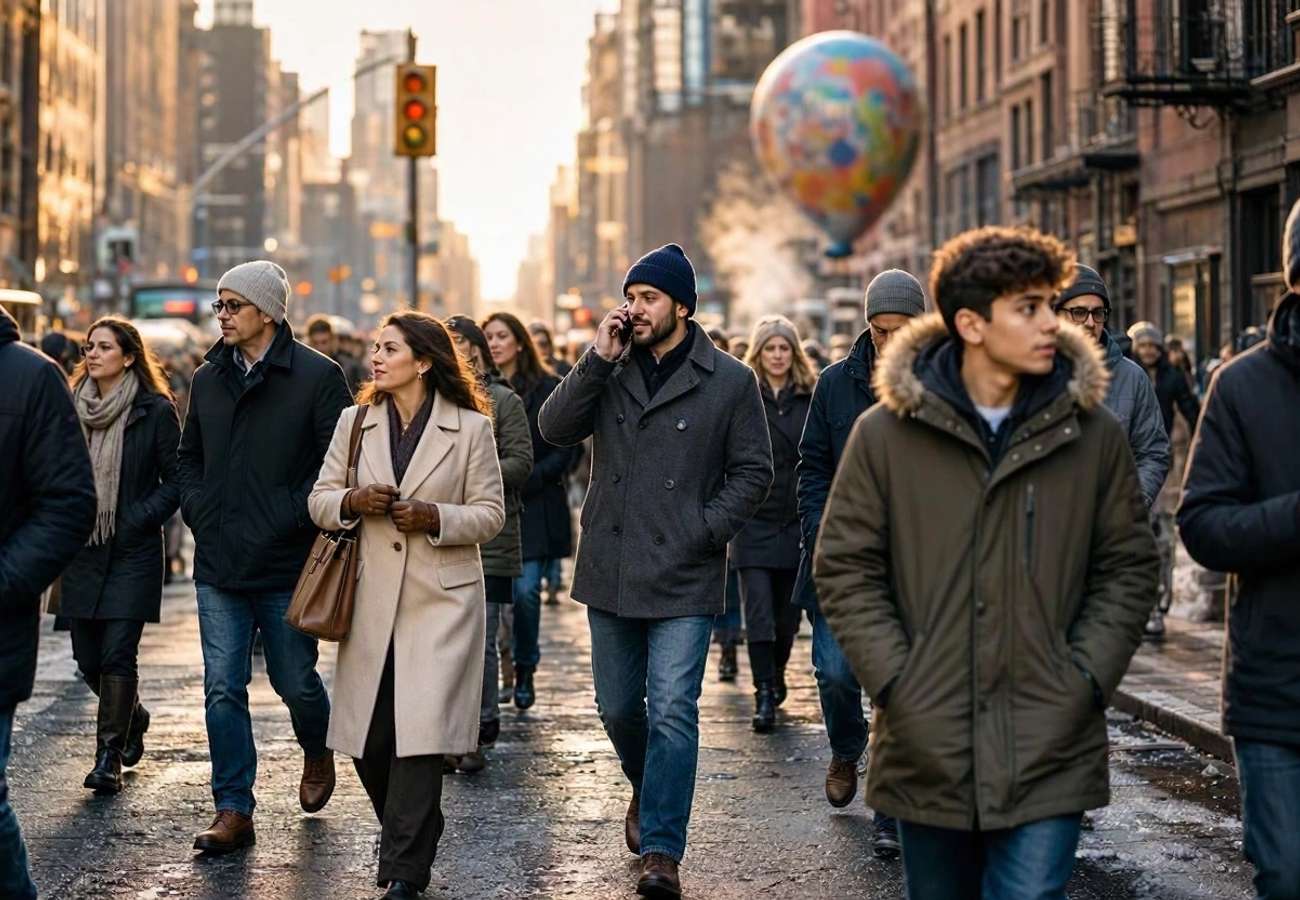
Image generated by AI
Domestic air travel during the US Thanksgiving window typically sees a 15-20% surge in volume compared to October baselines, but 2026 presents a unique anomaly: the 100th anniversary of the Macy’s Thanksgiving Day Parade. This centennial milestone is expected to concentrate an unprecedented volume of short-term visitors into the New York City metropolitan area, shifting the traditional distribution of holiday crowds away from purely residential reunions toward "event-based" tourism.
The Centennial Surge in Numbers
The primary data driver for the 2026 holiday season is the 100th edition of the Macy’s Thanksgiving Day Parade. Since its inception in 1924, the event has evolved from a local procession into a global media product. For the 2026 centennial, Macy’s has confirmed a scale of production including 100 inflatable elements.
This increase in spectacle correlates directly with hotel occupancy rates. Based on historical patterns tracked by STR, New York City typically experiences peak occupancy during the holiday week; however, the 100th-anniversary branding is projected to drive a higher-than-average ADR (Average Daily Rate) for properties within walking distance of the parade route.
Beyond New York, the 2026 holiday falls on November 26. This creates a specific travel window where millions of passengers will navigate the US airspace and highway systems. The concentration of travel is not merely about the destination but the "origin-to-destination" flow, which historically peaks 48 to 72 hours before the fourth Thursday of November.
Regional Tradition and Market Shifts
While New York captures the commercial spotlight, a secondary trend is emerging in the Northeast and Mid-Atlantic: the rise of "critical history" tourism. Travelers are increasingly bypassing generic holiday resorts in favor of sites that offer a more nuanced view of American origins.
In Massachusetts, the focus has shifted from the simplified 1621 Plymouth harvest narrative to a more inclusive exploration of the Wampanoag people's role. Data from the Smithsonian’s National Museum of the American Indian suggests a growing demand for Indigenous-led historical interpretations. Similarly, Virginia is seeing a resurgence of interest in the Berkeley Hundred site, where the December 4, 1619, observance took place—predating the Plymouth event.
2026 Thanksgiving Market Distribution
| Region | Primary Driver | Expected Volume Shift (YoY) | Key Data Point |
|---|---|---|---|
| New York City | Macy's 100th Parade | +12% to 15% | 100 inflatable elements |
| Massachusetts | Historical/Indigenous Tourism | +5% to 8% | Focus on Wampanoag narratives |
| Virginia | Colonial Heritage Sites | +3% to 5% | Berkeley Hundred 1619 records |
| National (Avg) | Family Reunions | Stable | Peak travel: Nov 23-25 |
What This Means for Travelers
The convergence of a centennial event in NYC and a broader interest in historical sites means that the "standard" booking window is no longer sufficient.
If you are planning to visit New York City for the November 26, 2026, celebrations, booking accommodations 4-6 months in advance is now a requirement. The "Centennial Effect" will likely lead to a total sell-out of mid-range hotels by early summer. For those visiting Massachusetts or Virginia, the trend toward historical sites means that guided tours and museum entries—particularly those involving Indigenous historians—will require advance reservations.
For air travelers, the International Air Transport Association (IATA) data consistently shows that mid-week flights (Tuesday/Wednesday) during Thanksgiving week are the most volatile in pricing. To avoid the 2026 price spikes, travelers should aim to fly by November 21 or wait until November 29.
Forward Projection: The Evolution of the Holiday
Based on current trajectory, Thanksgiving travel is bifurcating into two distinct streams: "Spectacle Tourism" and "Educational Tourism."
The spectacle stream, led by the Macy's Parade, will continue to drive massive, short-term economic injections into urban centers. We expect to see more "centennial-style" packaging where hotels bundle parade viewing access with luxury stays.
The educational stream is moving toward a "de-centered" narrative. The shift in Massachusetts and Virginia indicates that the modern traveler values historical accuracy over tradition. In the coming years, we project a rise in "Heritage Circuits" where travelers visit multiple colonial and Indigenous sites across the East Coast, rather than sticking to a single city.
FAQ: US Thanksgiving 2026
Will hotel prices in New York be higher in 2026? Yes. The 100th anniversary of the Macy's Parade is a significant demand driver. Expect a sharp increase in ADR (Average Daily Rate) for Manhattan hotels during the week of November 26.
When is the best time to book flights for Thanksgiving 2026? For domestic US flights, the optimal booking window is typically 1-3 months prior. However, for NYC-bound travel, securing flights by August 2026 is advised to avoid centennial premiums.
Are the historical sites in Massachusetts and Virginia crowded? While less congested than NYC, these sites see a seasonal spike. It is recommended to book Indigenous-led tours in Massachusetts at least 3 weeks in advance.
What is the official date of Thanksgiving 2026? Thanksgiving falls on Thursday, November 26, 2026.
The 2026 holiday season marks a transition from mere tradition to a data-driven blend of mass spectacle and historical reckoning.
Related Travel Guides
Disclaimer
This article is for informational and educational purposes only. It does not constitute legal, financial, or professional advice. While we strive to provide accurate and up-to-date information, travel policies, regulations, and conditions change rapidly. Always verify information with official sources before making travel decisions. Nomad Lawyer makes no representations about the accuracy, reliability, completeness, or suitability of the information provided. Readers should consult qualified professionals for advice specific to their circumstances. The views expressed in this article are those of the author and do not necessarily reflect the views of Nomad Lawyer.
Preeti Gunjan
Contributor & Community Manager
A passionate traveller and community builder. Preeti helps grow the Nomad Lawyer community, fostering engagement and bringing the reader experience to life.
Learn more about our team →