
Frankfurt Airport Winter 2026/27 Expansion: New Routes to Malaysia, UAE, and Morocco
Frankfurt Airport expands its winter 2026/27 timetable to 231 destinations, significantly increasing capacity to Malaysia, UAE, and Morocco through new Lufthansa and Air Arabia services.

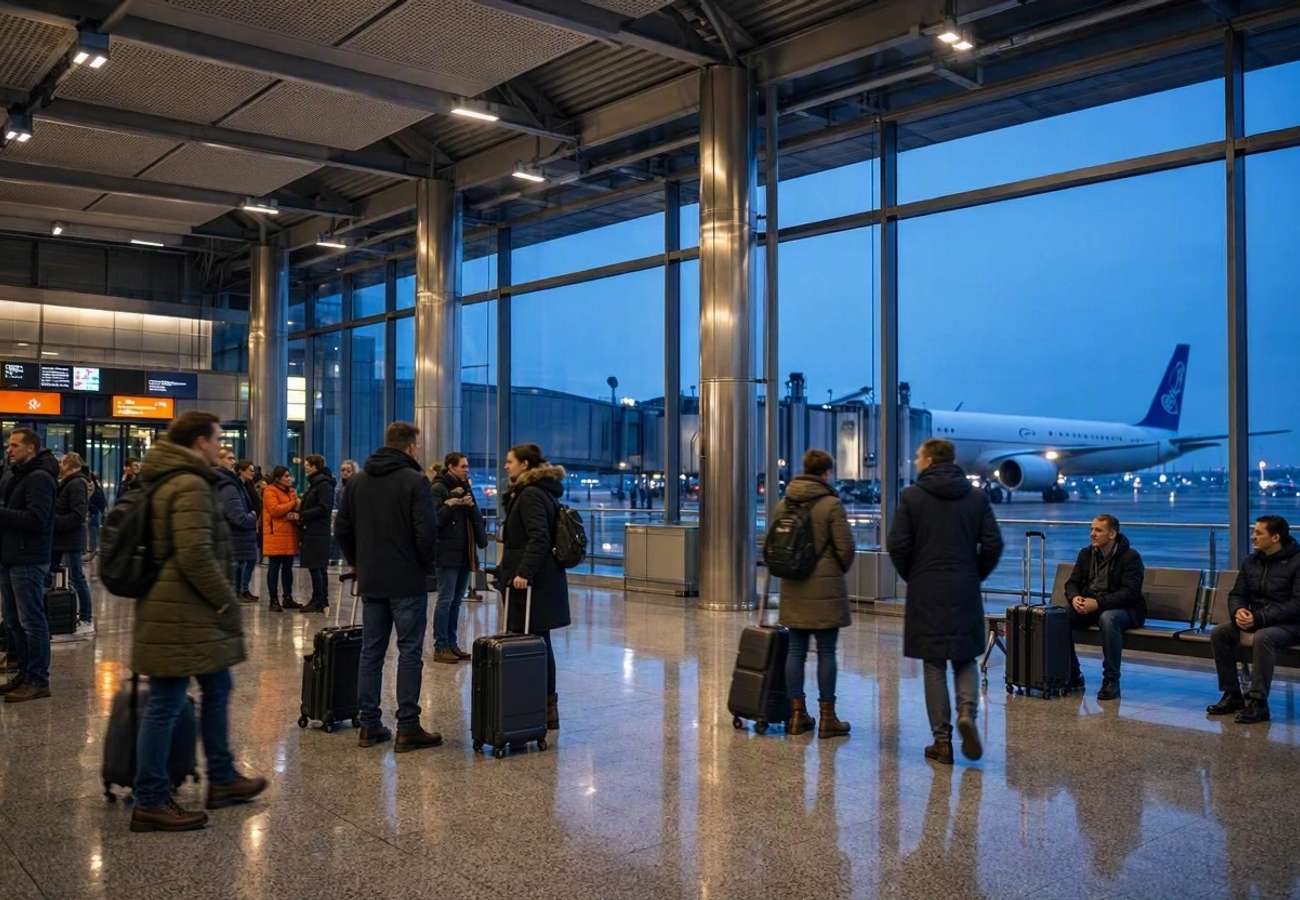
Image generated by AI
Frankfurt Airport now serves 231 global destinations across 92 nations, a scale that supports 650,000 departing passenger seats every week. This massive operational footprint, supported by 80 airlines and 3,400 weekly departures, signals a strategic pivot toward strengthening corridors between Europe and emerging markets in Southeast Asia, the Middle East, and North Africa for the 2026/27 winter cycle.
The Winter 2026/27 Expansion in Numbers
The current expansion is not merely about adding flights but about diversifying regional access. In Southeast Asia, Lufthansa is aggressively scaling its footprint by introducing five weekly nonstop flights to Kuala Lumpur. This move positions the Malaysian capital as a primary gateway for European travelers entering the region.
The Middle East is seeing a shift in carrier dynamics. Air Arabia is entering the Frankfurt network this December with daily services to Sharjah. Simultaneously, the strategic partnership between Condor and Etihad Airways is intensifying; Condor is launching daily flights to Abu Dhabi starting in November, with onward connectivity to Bangkok. Etihad is complementing this by adding another daily departure from Frankfurt in December, bringing the total Abu Dhabi capacity to three daily flights.
In North Africa, Discover Airlines is introducing twice-weekly winter services to Agadir, while Royal Air Maroc has transitioned its Nador route from a seasonal offering to a permanent, year-round service.
Regional Capacity and Carrier Shifts
The shift in flight frequencies reveals a clear intent to capture high-yield winter tourism and business travel. The Indian subcontinent is seeing the most significant frequency growth, with Air India increasing Delhi services to 13 flights per week and Mumbai connections to six.
| Destination | Sovereign Nation | Operating Carrier | Frequency/Status | Primary Draw |
|---|---|---|---|---|
| Kuala Lumpur | Malaysia | Lufthansa | 5x Weekly | Business/Tourism |
| Sharjah | UAE | Air Arabia | Daily | Cultural Heritage |
| Abu Dhabi | UAE | Condor / Etihad | 3x Daily (Total) | Luxury/Transit |
| Agadir | Morocco | Discover Airlines | 2x Weekly | Winter Surfing |
| Delhi | India | Air India | 13x Weekly | History/Politics |
| Nador | Morocco | Royal Air Maroc | Year-round | Mediterranean Coast |
This growth is being monitored by the International Air Transport Association (IATA), as the concentration of 650,000 weekly seats in a single hub increases the risk of systemic bottlenecks.
What This Means for Travelers
The surge in capacity creates more competitive pricing but introduces significant regulatory hurdles. Travelers should be aware of the following data-driven logistics:
- Visa Rigidity: Malaysia and India maintain strict digital application processes. For India, electronic visas must be secured well before arrival to avoid boarding denials.
- Biometric Border Controls: British and other non-EU travelers must now navigate the European Entry/Exit System (EES), which requires mandatory facial scanning. Failure to adhere to Schengen limits (maximum 90 days) now triggers automated financial penalties.
- Transit Risks: With 3,400 weekly departures, Frankfurt is prone to terminal bottlenecks. Travelers utilizing the Condor/Etihad codeshare to Bangkok via Abu Dhabi should allow a minimum of three hours for transit to account for digital processing delays.
- Documentation: Passports must have a minimum of six months' validity. Given the scale of this timetable, any disruption can lead to mass delays; ensure your travel insurance covers medical repatriation and hotel accommodation, as mandated by European Union aviation frameworks.
Forward Projection: Hub Saturation and Sustainability
The trajectory of Frankfurt's growth suggests a move toward "super-hub" saturation. While the 231-destination reach is a commercial win, it places immense pressure on ground handling and retail infrastructure. We expect a surge in local workforce recruitment to manage the 650,000 weekly seats.
Furthermore, as the World Travel and Tourism Council (WTTC) tracks these expansions, the industry is facing increased pressure to integrate sustainable aviation fuels (SAF). The expansion into long-haul markets like Malaysia and China (via Air China's dual-airport strategy in Beijing) will likely force carriers to accelerate carbon reduction targets to meet strict German and EU environmental regulations.
FAQ: Frankfurt Winter 2026/27 Expansion
Will ticket prices drop with more flights to Delhi and Abu Dhabi? Increased frequency (e.g., 13x weekly to Delhi) typically lowers base fares due to higher capacity, but peak winter holiday demand often offsets these gains. Booking 12 weeks in advance is recommended.
Is a transit visa required for the new Kuala Lumpur or Sharjah routes? Depending on your nationality, transiting through Frankfurt may require an airport transit visa. Check current German consulate requirements before booking.
How does the EES affect my transit through Frankfurt? The Entry/Exit System requires biometric registration. If you are entering the Schengen zone to connect, expect longer queues at passport control due to mandatory facial scanning.
Which airline offers the best connectivity to Southeast Asia this winter? Lufthansa provides the most direct access to Kuala Lumpur, while the Condor/Etihad partnership offers a high-capacity luxury alternative via Abu Dhabi to Bangkok.
Strategic hub expansion is the only way to absorb the surging demand for emerging cultural corridors.
Related Travel Guides
Disclaimer
This article is for informational and educational purposes only. It does not constitute legal, financial, or professional advice. While we strive to provide accurate and up-to-date information, travel policies, regulations, and conditions change rapidly. Always verify information with official sources before making travel decisions. Nomad Lawyer makes no representations about the accuracy, reliability, completeness, or suitability of the information provided. Readers should consult qualified professionals for advice specific to their circumstances. The views expressed in this article are those of the author and do not necessarily reflect the views of Nomad Lawyer.
Raushan Kumar
Founder & Lead Developer
Full-stack developer with 11+ years of experience and a passionate traveller. Raushan built Nomad Lawyer from the ground up with a vision to create the best travel and law experience on the web.
Learn more about our team →