
US International Inbound Tourism Slows Down Summer 2026
International air visitation to the U.S. declined in summer 2026 despite the FIFA World Cup boost, putting fresh pressure on major gateways like Florida.

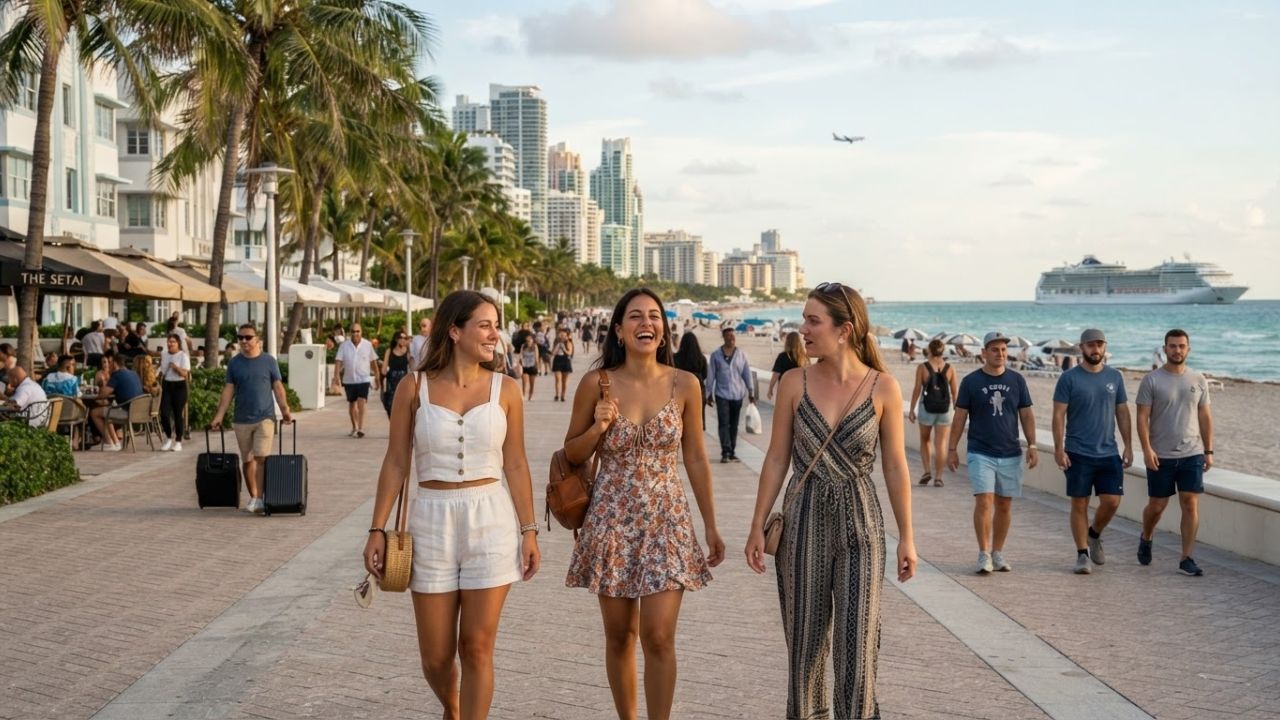
Image generated by AI
International air passenger arrivals to the United States experienced renewed pressure in the summer of 2026, with inbound visitor volumes declining by 3% in July compared with July 2025, even as individual traveler expenditure showed resilience through higher hotel rates.
Inbound Inundation Misses Projections Despite Major Sporting Boosts
Data released by the National Travel and Tourism Office (NTTO), a branch of the U.S. Department of Commerce, shows that overseas arrivals fell by 1.8% year-over-year in June, representing roughly 400,000 fewer foreign visits. The continued decline is particularly significant given the global spotlight of the tournament, which FIFA President Gianni Infantino had promoted as an economic opportunity equivalent to 104 Super Bowls.
A FIFA socioeconomic impact analysis had projected that the World Cup could inject $30.5 billion into the U.S. economy, largely driven by the arrival of overseas supporters who typically spend up to five times more per person than domestic fans. However, hospitality specialists like Alan Fyall, associate dean at the University of Central Florida’s Rosen College of Hospitality Management, suggest that the tournament served more as a defensive shield than a transformational catalyst, preventing visitor numbers from deteriorating further rather than driving new arrivals.
Structural Vulnerabilities in Major Gateway States
The decline in international air travel is highly concentrated across five major states, which serve as the primary gateways for long-haul visitors. These top destinations carry a substantial share of inbound travel activity, making them highly exposed to shifts in global passenger volumes.
| U.S. State Gateway | Q1 2025 Inbound Visitors | Q3 2025 Inbound Visitors | Current Reported Air Visitors | Combined Inbound Share |
|---|---|---|---|---|
| Florida | 3.2 million | 2.9 million | 3.2 million | High exposure in Orlando & Miami |
| California | 1.9 million | 2.6 million | 1.8 million | Strong dependence on long-haul markets |
| New York | 2.1 million | 3.0 million | 1.6 million | NYC ranks as leading destination city |
| Nevada | 880,000 | 1.0 million | 704,000 | Las Vegas relies on leisure & conventions |
| Texas | 733,000 | 650,000 | 629,000 | Key international gateways to Latin America |
| Top 5 Total Share | 85% | 82% | 81% | Vulnerability concentration is highly critical |
For Florida, California, New York, Nevada, and Texas, the drop in overseas visitor numbers influences a broad network of hotels, restaurants, airports, and local service providers. While domestic tourism—strengthened by holidays like Independence Day—helps support occupancy levels, domestic travelers typically do not match the average length of stay or overall spending of international visitors.
Elevated Traveler Spending and Hotel Rate Performance
Despite the drop in arrival numbers, international travel spending showed surprising strength. Foreign visitors spent approximately $400 million more on travel-related goods and services in June 2026 than they did in June 2025. Additionally, international travelers generated $2.8 billion in fares for U.S. airlines during June, representing a modest year-over-year increase of less than half of one percentage point.
This contrast between falling arrivals and rising expenditure indicates that visitors are spending more per trip, driven by elevated accommodation costs. Hospitality analysts, including Jan Freitag of CoStar, characterized the World Cup as a room-rate event rather than an occupancy event. Luxury and upscale hotel prices accelerated significantly on match nights, supported by corporate bookings rather than the expected wave of individual football supporters. Elie Maalouf, CEO of IHG Hotels & Resorts, confirmed that the tournament was a commercial success for the company due to these rate gains.
Actionable Advice for Navigating Peak U.S. Travel Hubs
To navigate the rising costs at major U.S. travel gateways, destination specialists suggest implementing the following logistical strategies:
- Monitor Event Calendars: Review local convention calendars and major sports schedules before booking to avoid elevated room rates in cities like Las Vegas, Orlando, and New York.
- Utilize Alternative Gateways: Consider routing through secondary international airports (such as Boston, Atlanta, or Chicago) to bypass terminal delays and find more competitive airfares.
- Plan for Travel Surcharges: Budget for higher dining, transportation, and resort fees, which have risen across key tourist corridors in Florida and California.
- Choose Shoulder Seasons: Visit popular coastal and metropolitan attractions during the spring or autumn months to secure lower rates and experience less crowded venues.
Insider Travel Tips, Cultural Etiquette, and Sustainable Practices
Enjoying the diverse offerings of U.S. destinations is enhanced by local insider knowledge and a commitment to supporting communities:
- Local Insider Tips: When visiting major gateways, bypass crowded corridors to explore under-the-radar natural preserves, such as Bill Baggs Cape Florida State Park in Key Biscayne or the Muir Woods National Monument north of San Francisco, during early morning hours. Taste local culinary specialties, such as authentic key lime pie in Florida, fresh hand-rolled bagels in New York City, or street-style fish tacos in Southern California.
- Community & Eco-Focus: Direct your travel spending toward independent, family-owned restaurants and local craft markets rather than national chains. To minimize environmental impact, use municipal light rail networks or rent electric vehicles where available. Respect local environments by contributing to state park preservation fees, which directly fund local conservation efforts.
- Cultural Etiquette and E-E-A-T: Tipping is a customary practice in the United States; standard etiquette suggests a gratuity of 15% to 20% of the total bill for table service at restaurants and for taxi fares. Regional conservation agencies, including the Florida Department of Environmental Protection, urge travelers to follow leave-no-trace guidelines when visiting beaches and delicate wildlife habitats.
Resiliency and Long-Term International Inbound Tourism Outlook
Although the summer of 2026 has brought pressure to the inbound market, the long-term outlook for U.S. tourism remains positive. The NTTO's current forecast projects that total international arrivals to the United States will increase by 3.2% to 70.5 million in 2026, with continued growth expected in 2027 and 2028.
The temporary decline highlights the importance of competitive destination marketing, robust international air connectivity, and measures to build traveler confidence. By adapting to shifting demand and focusing on high-quality visitor experiences, major states can transition short-term event interest into long-term economic resilience, ensuring the country remains a premier global destination. By prioritizing regional marketing campaigns and expanding international flight networks, U.S. destinations can sustain visitor growth in the coming years.
FAQ: U.S. International Tourism Slowdown and Spending 2026
Why did international arrivals to the U.S. decline in summer 2026? Weaker international visitor demand reduced the expected tourism boost, even with the World Cup and Independence Day events. Inbound arrivals declined by 3% in July 2026 compared with July 2025.
Which U.S. states have the greatest international tourism exposure? Florida, California, New York, Nevada, and Texas are the most exposed states. Together, they represent 81% of total international-air visitation to the United States.
Did overall international visitor spending also decrease? No. Despite fewer arrivals, international visitor spending showed resilience, with travelers spending $400 million more in June 2026 compared to June 2025, driven by higher room rates.
Related Travel Guides
Disclaimer
This article is for informational and educational purposes only. It does not constitute legal, financial, or professional advice. While we strive to provide accurate and up-to-date information, travel policies, regulations, and conditions change rapidly. Always verify information with official sources before making travel decisions. Nomad Lawyer makes no representations about the accuracy, reliability, completeness, or suitability of the information provided. Readers should consult qualified professionals for advice specific to their circumstances. The views expressed in this article are those of the author and do not necessarily reflect the views of Nomad Lawyer.
Kunal K Choudhary
Co-Founder & Contributor
A passionate traveller and tech enthusiast. Kunal contributes to the vision and growth of Nomad Lawyer, bringing fresh perspectives and driving the community forward.
Learn more about our team →