
US State Department Issues Urgent Warning to Americans Over Overseas Detention Risks
The US State Department warns American travelers of wrongful detention risks and legal pitfalls abroad, urging the use of STEP for overseas safety.

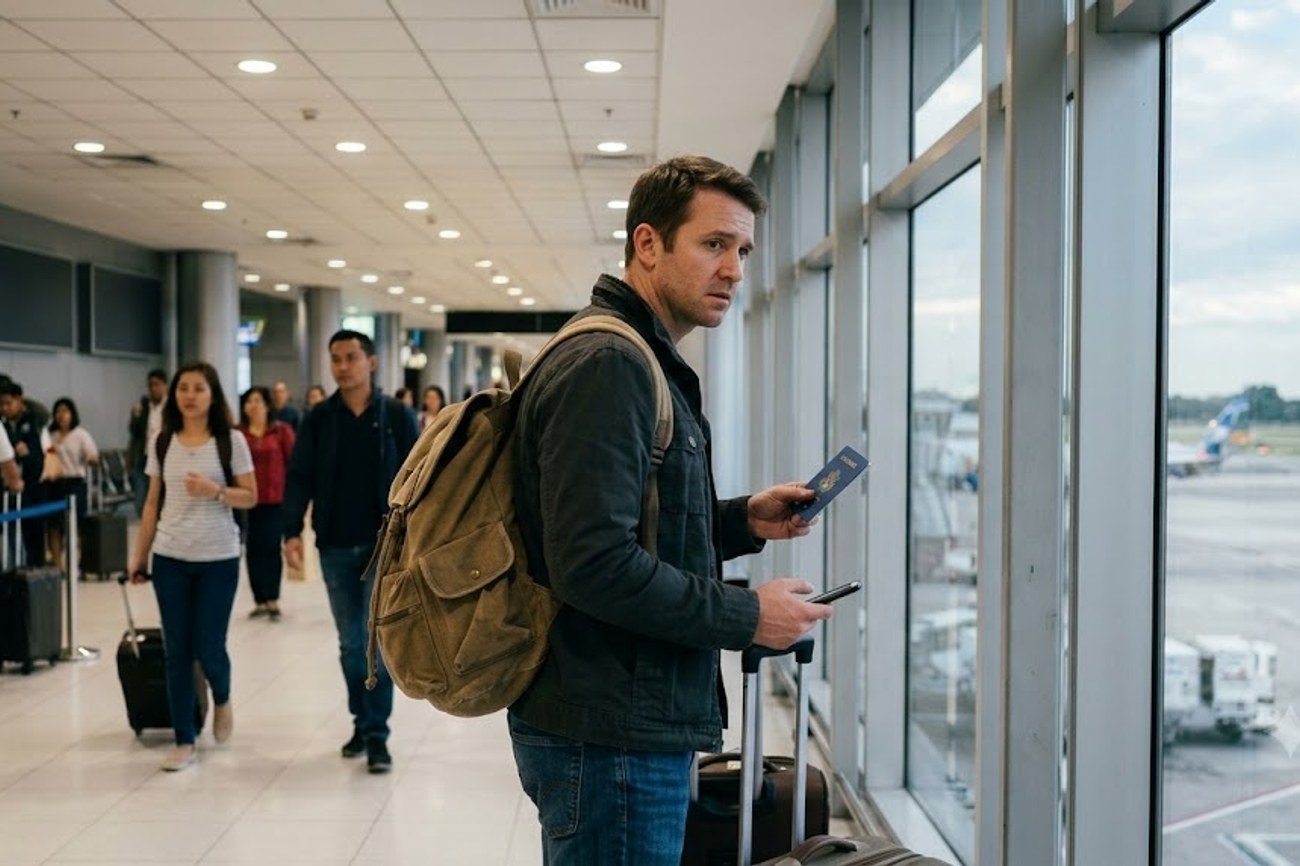
Image generated by AI
Washington, D.C. —
American citizens traveling internationally are facing an increasingly precarious security landscape, with the US State Department issuing updated warnings regarding the risk of wrongful detention and legal complications abroad. As millions of US nationals depart for business, education, and leisure, federal officials are emphasizing that American citizenship does not grant immunity from local laws, which can vary drastically from US regulations.
The current security climate is characterized by heightened political tensions and complex judicial systems in several global regions. Officials warn that actions considered routine or benign within the United States may be interpreted as criminal or provocative in other jurisdictions, potentially leading to severe legal consequences or diplomatic incidents.
State Department Heightens Alerts on Global Security Threats
The US Department of State maintains a dynamic system of travel advisories that are continuously updated to reflect real-time threats. These evaluations are not based on a single factor but are synthesized from data regarding organized crime, terrorism, civil unrest, and public health emergencies.
A primary driver for the current alert is the rising trend of kidnapping and wrongful detention. Industry reports indicate that the intersection of geopolitical instability and restrictive local laws has created a environment where foreign nationals can be caught in political crossfires.
Government officials stress that the first line of defense for any traveler is a comprehensive understanding of the destination's current conditions. This includes recognizing that local authorities may apply laws arbitrarily or that certain behaviors—such as specific types of photography or public commentary—could be viewed as espionage or political agitation.
Strategies for Maintaining a Low Profile in Volatile Regions
A core component of the latest federal guidance is the directive for Americans to avoid drawing unnecessary attention to themselves while visiting sensitive locations. Security analysts suggest that international visitors often inadvertently increase their risk profile through public disputes, unrestricted online activity, or the photography of government installations.
To mitigate these risks, the State Department recommends the following behavioral adjustments:
- Avoid Political Gatherings: Steer clear of demonstrations, protests, and politically charged public squares.
- Exercise Digital Discretion: Be mindful of social media posts and online communications that could be monitored by foreign intelligence services.
- Respect Local Taboos: Adhere strictly to cultural norms and local restrictions to avoid confrontational encounters with law enforcement.
- Monitor Local Media: Stay updated on domestic developments within the host country to anticipate sudden shifts in security or civil stability.
Experts clarify that maintaining a low profile is not about sacrificing the authenticity of a trip, but rather about practicing situational awareness to ensure a safe return.
The Growing Crisis of Wrongful Detention
Wrongful detention has transitioned from a rare occurrence to a significant diplomatic challenge. The US government has documented numerous instances where American citizens were imprisoned under unjust circumstances, often used as leverage in broader diplomatic disputes or as a result of opaque legal proceedings.
For the individual, these situations result in extreme emotional distress and staggering financial burdens. From a diplomatic standpoint, the State Department views these cases as critical violations of international norms.
While the vast majority of international trips conclude without incident, the severity of wrongful detention means that the potential cost of a mistake is exceptionally high. Officials reiterate that preparation—specifically understanding the legal environment of a destination—is the most effective tool for prevention.
The Paradox of Popular Tourism Hubs
One of the most dangerous misconceptions for travelers is the belief that a destination's popularity as a tourist hub equates to safety. Many regions that offer world-class cultural heritage and natural beauty simultaneously struggle with government instability or high crime rates.
The State Department’s advisory system evaluates destinations based on a matrix of factors:
- Government Stability: The likelihood of sudden regime changes or civil unrest.
- Healthcare Infrastructure: The ability to handle medical emergencies for foreigners.
- Terrorism Risk: The prevalence of extremist activity in tourist corridors.
- Consular Access: The ability of US embassy staff to provide actual assistance to detained citizens.
Travelers are cautioned against relying solely on travel blogs or social media trends. A location may be "trending" for its aesthetics while simultaneously being flagged by the government for security risks.
Utilizing the Smart Traveler Enrollment Program (STEP)
To bridge the gap between government intelligence and the individual traveler, the US government strongly advocates for the use of the Smart Traveler Enrollment Program (STEP).
STEP serves as a critical communication link, allowing the Department of State to:
- Send real-time security updates and emergency alerts to registered users.
- Locate and contact American citizens quickly during natural disasters or political upheavals.
- Notify family members in the US if an emergency occurs abroad.
Beyond digital enrollment, officials advise travelers to maintain physical and digital copies of passports, visas, and medical records, and to establish a clear emergency contact chain before departure.
Why This Matters: The Shift in International Travel Responsibility
For the modern traveler, the "adventure" of international travel now requires a layer of risk management that was less prominent in previous decades. From a logistical standpoint, the burden of safety has shifted from the destination's hospitality sector to the traveler's own due diligence.
When a citizen is detained abroad, the US embassy can provide legal lists and diplomatic pressure, but they cannot "get someone out of jail" if a local law was broken. This creates a reality where cultural ignorance can lead to legal catastrophe. The shift toward "responsible travel" is no longer just about environmental or social impact—it is now a matter of personal security.
By integrating official government data with itinerary planning, travelers can continue to explore the world while minimizing their exposure to systemic risks.
Related Travel Guides
Disclaimer
This article is for informational and educational purposes only. It does not constitute legal, financial, or professional advice. While we strive to provide accurate and up-to-date information, travel policies, regulations, and conditions change rapidly. Always verify information with official sources before making travel decisions. Nomad Lawyer makes no representations about the accuracy, reliability, completeness, or suitability of the information provided. Readers should consult qualified professionals for advice specific to their circumstances. The views expressed in this article are those of the author and do not necessarily reflect the views of Nomad Lawyer.
Kunal K Choudhary
Co-Founder & Contributor
A passionate traveller and tech enthusiast. Kunal contributes to the vision and growth of Nomad Lawyer, bringing fresh perspectives and driving the community forward.
Learn more about our team →