
Travellers Lead African Safari Bookings in 2026: US Dominance Revealed
American travellers lead African safari bookings in 2026, commanding nearly half of all reservations. New data reveals a surge in immersive wilderness experiences and extended remote camp stays across the continent.

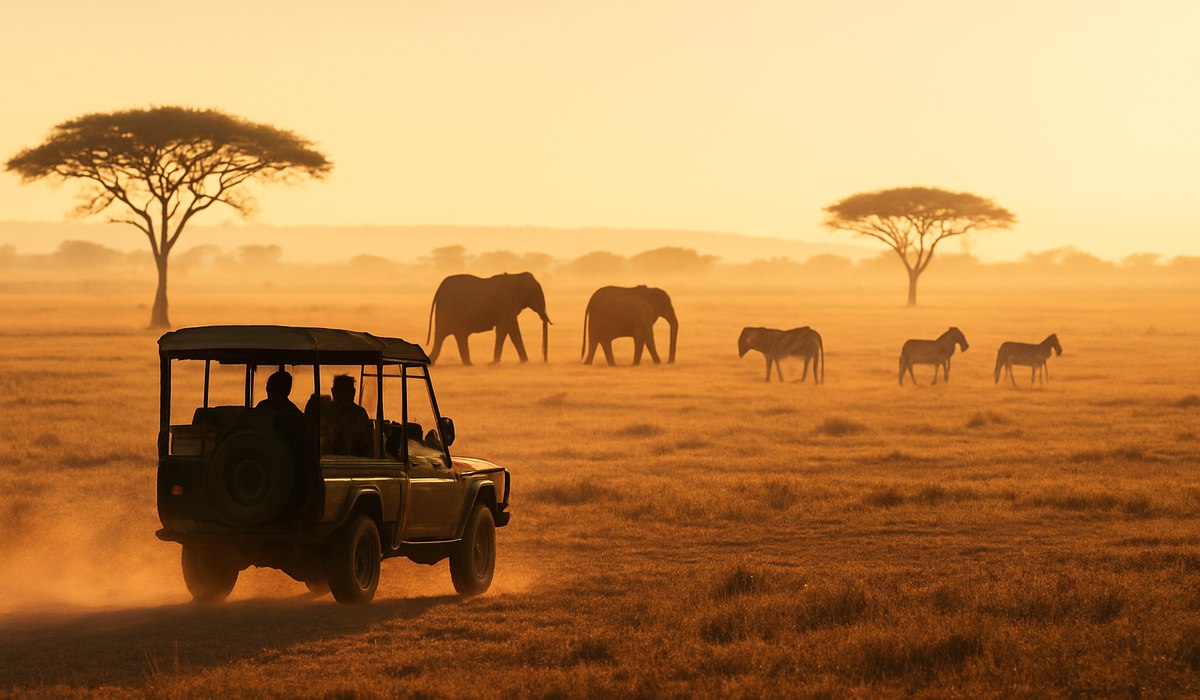
Image generated by AI
American Safari Enthusiasts Lead African Bookings Surge
United States travellers continue to dominate African safari demand, accounting for nearly half of all wildlife tourism bookings across the continent in 2026. This trend underscores sustained American appetite for immersive wilderness adventures and remote camp experiences. According to a comprehensive three-year analysis by Asilia Africa, North American visitors significantly outpace international competitors in the African safari market. The UK ranks a distant second at just 9 percent of bookings, highlighting the pronounced preference gap. This data-driven insight reveals critical patterns in how travellers lead African tourism markets toward experiential, destination-focused travel rather than traditional resort-based holidays.
US Dominance in African Safari Market
The African safari landscape has undergone a seismic shift in booking demographics over recent years. American travellers represent an outsized portion of safari reservations, reflecting both purchasing power and a cultural appetite for transformative travel experiences. This dominance extends across multiple African nations, from Kenya and Tanzania to Botswana and beyond. UK visitors comprise the second-largest market, yet their share remains substantially smaller than American bookings. Australian, Canadian, and European visitors round out the remaining market segments, each contributing modest percentages to overall safari tourism revenue. The concentration of American demand creates unique opportunities and challenges for safari operators managing capacity and tailoring experiences for Western expectations.
The Rise of Immersive Travel Experiences
Modern safari travellers increasingly reject passive observation in favor of active, participatory wilderness engagement. Data analysis shows a marked rise in activity participation among all visitor demographics, with American guests leading adoption of interactive experiences. These include guided night drives, photography workshops, conservation volunteer opportunities, and cultural immersion programs with local communities. Extended stays at remote camps reflect this philosophical shift—visitors now prioritize depth over breadth, choosing to spend longer periods in singular locations rather than circuit-hopping across multiple reserves. This preference for immersion aligns with broader global tourism trends favoring authenticity, sustainability, and meaningful local interaction. Safari operators have responded by developing specialized programming that transforms passive observation into dynamic, educational experiences that create lasting personal transformation.
Remote Camps and Extended Stays Transform Safari Tourism
The data reveals a "gradual increase at remote camps," signaling evolving traveller preferences toward wilderness isolation and authentic African landscapes. Remote camps offer minimal infrastructure and maximum connection to nature—precisely what American and international visitors now actively seek. Extended stays at these properties allow guests to fully acclimate to rhythms of wildlife and landscape, increasing safari sighting opportunities and enabling deeper appreciation of ecosystem dynamics. Rather than condensed five-day itineraries, many travellers lead African tourism toward week-long or multi-week immersive programs. This trend benefits conservation efforts, as longer stays generate sustainable revenue streams for protected areas and local communities. Remote camp operators report elevated guest satisfaction scores and increased likelihood of return bookings when visitors commit to extended wilderness time. For nomadic professionals and location-independent workers, these extended stays offer ideal bases for combining work with transformative travel.
What This Means for Safari Operators
Safari operators and lodge owners must recalibrate business models to capitalize on American demand and immersive experience trends. Investment in remote camp infrastructure, specialized guide training, and activity programming has become essential competitive advantages. Operators who successfully integrate technology (online booking platforms, virtual property tours) while maintaining authentic wilderness experiences will capture disproportionate market share. Marketing strategies must emphasize immersion, conservation participation, and transformation rather than luxury amenities alone. Guides require training in ecological interpretation, wildlife photography mentoring, and cultural education to meet evolving guest expectations. Revenue opportunities extend beyond accommodation to activity packages, conservation contributions, and exclusive experiences commanding premium pricing. The shift toward extended stays creates operational efficiencies and stronger community relationships, ultimately improving sustainability outcomes across African safari destinations.
Best Time to Visit African Safari Destinations
Safari season timing varies significantly by African region, impacting wildlife visibility and travellers lead African booking patterns. In East Africa (Kenya and Tanzania), the dry seasons of June through October and January through February offer optimal game viewing as animals congregate around water sources. Southern Africa's dry season spans May through September, delivering exceptional wildlife encounters in Botswana, Zimbabwe, and Zambia. The green season (November to April) transforms landscapes into lush environments ideal for birdwatching and photography, with fewer visitors creating exclusive experiences. American visitors frequently concentrate bookings during Northern Hemisphere winter months (December through March) to escape cold climates. However, shoulder seasons increasingly attract discerning travellers seeking reduced crowds and premium guide attention. Each region maintains year-round operational capacity, allowing flexible trip planning aligned with personal schedules and preferences rather than rigid seasonal windows.
How to Get There: Access Routes to African Safari Destinations
Most American safari travellers depart from major US hubs including New York, Los Angeles, Chicago, and Miami with direct or connecting international flights. Primary gateways include Nairobi's Jomo Kenyatta International Airport (Kenya), Dar es Salaam (Tanzania), Johannesburg's OR Tambo (South Africa), and Gaborone (Botswana). Flight times from major US cities typically range from 15 to 20 hours including connections. Once in-country, visitors access remote camps via regional carriers operating charter flights from gateway cities directly to private airstrips adjoining safari properties. This expedited route minimizes ground transit and maximizes time in wilderness settings. Ground transportation by 4x4 vehicle completes the journey to accommodation facilities. Visa requirements vary by destination nation—Americans should verify current entry documentation through official government resources. Travel insurance including medical evacuation coverage is strongly recommended given remote location and emergency service limitations. Consult your airline and embassy websites before departure to confirm current requirements and protocols.
Essential Safari Travel Tips and Best Practices
Packing strategically for remote camps means prioritizing neutral earth-tone clothing, quality binoculars, sun protection, and quality camera equipment. Layers prove essential as African nights cool substantially despite daytime heat. Physical fitness preparation benefits guests planning active experiences including hiking, paddling, and walking safaris requiring sustained exertion. Arrive with realistic wildlife expectations—not every drive guarantees dramatic sightings, though persistence typically rewards patient observers. Digital detox mindsets enhance immersive experiences; minimize screen time to maximize sensory engagement with surroundings. Respect guide expertise and safety protocols without exception—professional guides understand animal behavior and environmental hazards that visitors cannot perceive. Photography ethics require maintaining appropriate distances from wildlife to avoid disturbance. Tipping guides and camp staff fairly (typically 10-15% of package cost) supports sustainable wages in regions with limited employment alternatives. These practices collectively enhance personal experiences while benefiting local communities and conservation outcomes.
Key Data: African Safari Booking Trends 2024-2026
| Metric | Value | Trend |
|---|---|---|
| US Market Share | 48% | ↑ Growing |
| UK Market Share | 9% | ↔ Stable |
| Average Stay Length | Stable Overall | Increasing at Remote Camps |
| Activity Participation Rate | Sharp Rise | ↑ Accelerating |
| Remote Camp Bookings | Gradual Increase | ↑ Growing |
| Extended Stay Preference | 6+ days | ↑ Dominates Bookings |
| Primary US Departure Months | Dec-Mar | Consistent Year-Round Growth |
| Charter Flight Usage | Increasing | ↑ Growing |
| Conservation-Focused Activities | Premium Demand | ↑ Rapidly Expanding |
| Guide Training in Immersion Skills | Essential | ↑ Industry Standard |
What This Means for Travellers: Actionable Insights
-
Book Extended Stays: Reserve minimum 6-7 day safari packages to fully experience immersive programming and maximize wildlife encounter probability. Shorter trips miss deeper ecological understanding that differentiates transformative experiences from scenic tourism.
-
Prioritize Remote Locations: Seek properties explicitly marketing remote camp positioning rather than lodge infrastructure. Isolation from crowds and
Disclaimer
This article is for informational and educational purposes only. It does not constitute legal, financial, or professional advice. While we strive to provide accurate and up-to-date information, travel policies, regulations, and conditions change rapidly. Always verify information with official sources before making travel decisions. Nomad Lawyer makes no representations about the accuracy, reliability, completeness, or suitability of the information provided. Readers should consult qualified professionals for advice specific to their circumstances. The views expressed in this article are those of the author and do not necessarily reflect the views of Nomad Lawyer.
Kunal K Choudhary
Co-Founder & Contributor
A passionate traveller and tech enthusiast. Kunal contributes to the vision and growth of Nomad Lawyer, bringing fresh perspectives and driving the community forward.
Learn more about our team →