
United States Issues Urgent Health Warning as Record Dengue Surge Threatens International Travelers and Coastal Communities: New Travel Alert
The US experiences an unprecedented 359% spike in travel-associated dengue fever cases, prompting health officials to issue strict vector warnings for holidaymakers.

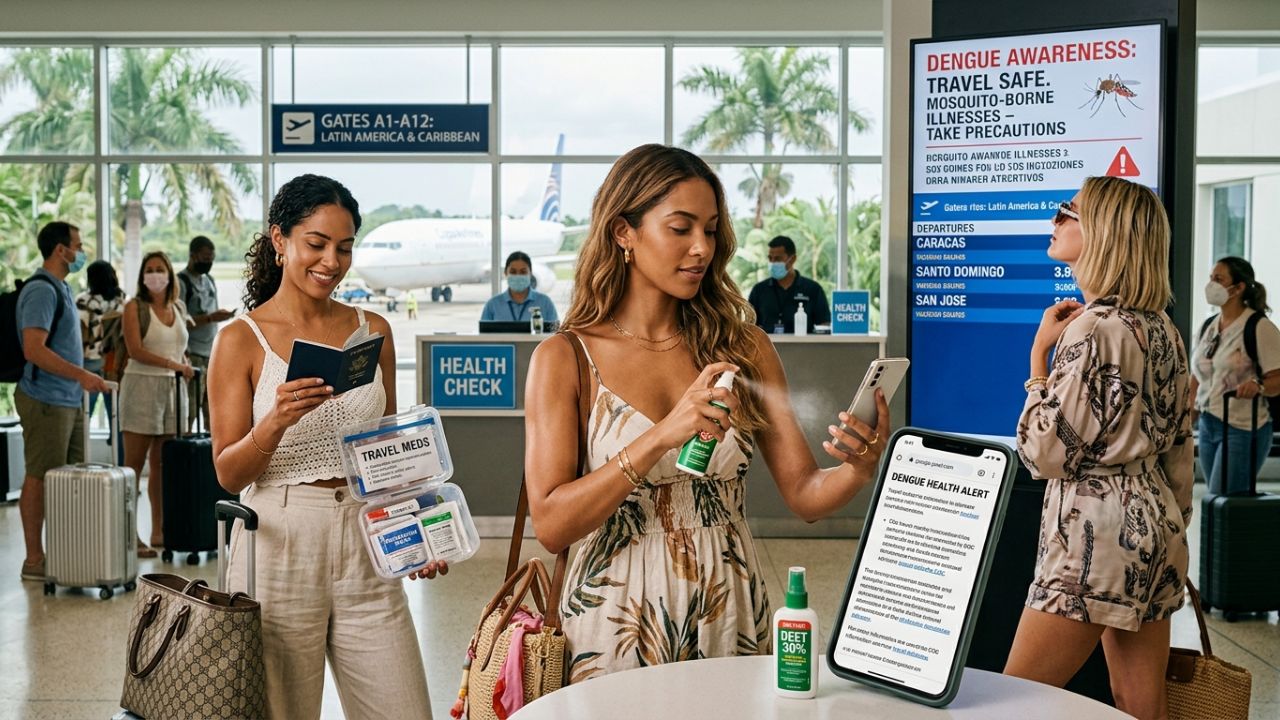
Image generated by AI
A major public health alert has been issued for international tourists today, as the United States witnesses a historic, travel-associated Record Dengue Surge. Official surveillance data reveals an unprecedented increase in confirmed dengue fever cases, primarily contracted by travelers returning from tropical vacation hotspots. The spike has forced federal health agencies and travel medicine specialists to release updated vector safety guidelines to prevent further spread and ensure adequate medical preparedness for outbound tourists.
Quick Summary
- Unprecedented Case Spike: Confirmed dengue fever cases in the United States have skyrocketed by 359 percent compared to the annual average from the previous decade.
- Travel-Linked Surge: The overwhelming majority of the 3,798 confirmed cases were contracted by travelers returning from high-risk destinations outside the continental US.
- High Hospitalization Rate: More than one-third of infected individuals required urgent hospitalization, with six recorded deaths during the outbreak.
- Regional Hotspots: Outbound travel to the Caribbean, Central America, and North America represents the primary source of travel-associated infections.
- Local Transmission Risks: Returning travelers have triggered sporadic local transmission clusters within parts of California and Florida.
Context: Global Travel Connectivity and Vector Habitation Shifts
The release of the national surveillance bulletin on May 17, 2026, represents a critical warning for international travelers. For over a decade, dengue fever in the United States remained a rare, highly localized condition, averaging about 828 cases annually between 2010 and 2023.
However, rapid shifts in global travel connectivity, coupled with warming environments that expand the habitat of the Aedes aegypti mosquito, have led to a significant increase in travel-linked importations. Because dengue is imported by travelers returning from over 120 countries, health agencies are emphasizing that vector prevention must now be a central part of travel planning.
Specific Details of the Massive US Record Dengue Surge (H2)
The official public health report outlines the specific demographics and scale of the outbreak:
- Confirmed Case Surge: Health authorities have confirmed 3,798 dengue cases in 2024, far surpassing the historical baseline of 828 average annual cases.
- Demographic Vulnerabilities: Adults aged 50–59 accounted for a notable portion of the infections, and more than half of the diagnosed individuals identified as Hispanic or Latino, reflecting community travel ties.
- Severe Hospitalization Metrics: More than one-third of the cases required hospitalization due to severe symptoms, and the outbreak resulted in six confirmed fatalities.
- Primary Importation Regions: Surveillance data shows that travelers returning from the Caribbean, North America, and Central America accounted for the majority of the infections.
- High-Risk Destinations: Popular vacation spots with recurrent transmission include Mexico, Cuba, Colombia, Costa Rica, and the Dominican Republic.
Severe Health Risks and Global Hotspot Exposures
Understanding dengue symptoms and exposure risks is vital for ensuring passenger safety:
- Typical Incubation Period: The virus incubates for 2 to 7 days before symptoms begin.
- Common Symptoms: Infections present with a high fever, severe headache, intense pain behind the eyes, joint and muscle pain, and a skin rash.
- Severe Dengue Risks: Severe cases can lead to hemorrhagic complications or shock, requiring immediate hospitalization.
- Vector Distribution: The Aedes aegypti mosquito thrives in warm, humid tropical and subtropical environments, active year-round.
- No Specific Treatment: Because there is no widely available antiviral treatment, preventative measures are essential.
What Public Health Authorities and CDC Guidelines Are Directing
In response to the travel-associated surge, federal and local health bodies are implementing strict measures:
- Updated Travel Health Notices: Public health agencies are updating risk profiles for popular tropical destinations to help travelers plan.
- Active Mosquito Control: Local vector control agencies are carrying out targeted insecticide spraying in areas with travel-associated cases.
- Clinical Case Tracking: Clinicians are instructed to report suspected cases immediately to enable rapid tracking.
- Community Education: Distributing educational materials at airports and travel clinics to encourage protective measures.
Practical Traveler Advice: Mosquito Avoidance and Travel Insurance Verifications
To minimize infection risks during international travel, health specialists advise the following:
- Apply High-Quality Repellent: Use EPA-registered insect repellents containing DEET, picaridin, or oil of lemon eucalyptus on exposed skin.
- Wear Protective Clothing: Wear long-sleeved shirts and long pants to minimize exposed skin when outdoors.
- Choose Screened Accommodations: Ensure your hotel or vacation rental has secure window screens and air conditioning to keep mosquitoes out.
- Eliminate Standing Water: Avoid areas with stagnant water, as mosquitoes use these spots to breed.
- Secure Medical Travel Insurance: Verify that your travel insurance policy covers medical evacuation and treatment for severe illnesses in remote areas.
Broader Context: Climate Warming and Local Transmission Spills
The global rise of dengue represents one of the fastest-growing mosquito-borne challenges in the world. As global temperatures rise, the seasonal range of competent vectors like the Aedes mosquito is expanding northward.
This environmental shift has enabled sporadic local transmission within the continental United States. Small clusters reported in California and Florida show that returning, infected travelers can introduce the virus to local mosquito populations, presenting a risk to communities both at home and abroad.
What to Expect Next: Real-Time Environmental Vector Controls
Looking ahead, international health agencies will continue to monitor transmission trends and adjust travel advisories accordingly. Local vector control teams will deploy real-time mosquito traps and larval control measures to manage populations in warm coastal states.
Travelers should expect targeted travel health information at departure terminals and pre-travel clinics. By taking proactive steps and prioritizing mosquito protection, travelers can help ensure a safe, healthy journey.
Conclusion
The Record Dengue Surge serves as an important reminder that health preparedness is a vital part of global travel. While the sharp increase in travel-linked cases highlights the need for caution, the active monitoring and guidance from public health agencies provide a clear path forward for travelers. By taking standard mosquito precautions, choosing secure accommodations, and consulting travel health advisors before departure, travelers can continue to safely explore the world's most beautiful destinations.
Frequently Asked Questions (FAQ)
1. What is causing the record dengue surge in the United States?
The Record Dengue Surge is primarily linked to international travel, with returning tourists importing the virus from tropical areas in the Caribbean, Central America, and North America.
2. What are the common symptoms of dengue fever, and how long is the incubation period?
Dengue presents with a high fever, severe headache, joint pain, muscle aches, and a rash after an incubation period of 2 to 7 days.
3. Which popular travel destinations currently show recurrent dengue transmission?
High-risk vacation spots include Mexico, Cuba, Colombia, Costa Rica, Haiti, and the Dominican Republic, where warm climates support year-round mosquito activity.
4. Has local dengue transmission occurred within the continental United States?
Yes. Sporadic local transmission clusters have been reported in parts of California and Florida, where local Aedes mosquitoes bite infected returning travelers.
5. How can international travelers protect themselves from contracting dengue?
Travelers should use EPA-registered insect repellent, wear long sleeves and pants, stay in screened or air-conditioned accommodations, and choose travel insurance that covers medical evacuation.
Disclaimer
This article is for informational and educational purposes only. It does not constitute legal, financial, or professional advice. While we strive to provide accurate and up-to-date information, travel policies, regulations, and conditions change rapidly. Always verify information with official sources before making travel decisions. Nomad Lawyer makes no representations about the accuracy, reliability, completeness, or suitability of the information provided. Readers should consult qualified professionals for advice specific to their circumstances. The views expressed in this article are those of the author and do not necessarily reflect the views of Nomad Lawyer.
Kunal K Choudhary
Co-Founder & Contributor
A passionate traveller and tech enthusiast. Kunal contributes to the vision and growth of Nomad Lawyer, bringing fresh perspectives and driving the community forward.
Learn more about our team →