
U.S. Issues Updated Level 2 Travel Advisories for Bolivia and Ecuador Due to Security Risks in 2026
The U.S. Department of State has reinforced Level 2 'Exercise Increased Caution' warnings for Bolivia and Ecuador, citing rising violent crime, kidnapping risks, and political instability.

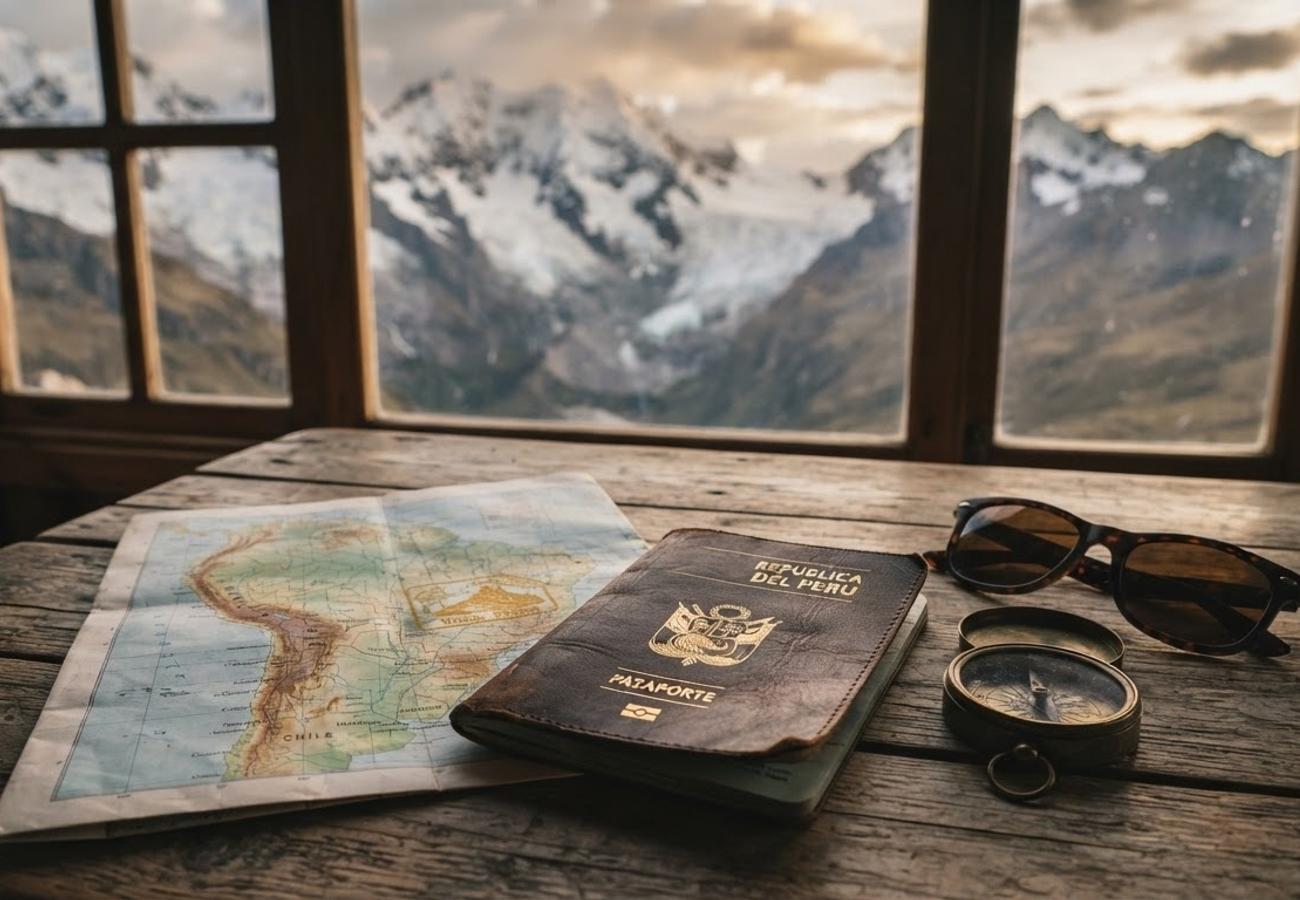
Image generated by AI
U.S. officials have flagged critical security concerns for travelers visiting Bolivia and Ecuador, maintaining a Level 2 advisory status. Visitors are urged to exercise increased caution due to a volatile mix of violent crime, kidnapping threats, and political instability.
The U.S. Department of State has updated its travel guidance for Bolivia and Ecuador, emphasizing that while these nations remain open to international tourism, the security environment requires heightened vigilance. The current Level 2 classification serves as a formal warning that travelers must adopt more rigorous safety protocols than they would in lower-risk destinations.
These updates are part of a continuous monitoring process by the State Department to evaluate public safety, health risks, and the stability of emergency response capabilities for American citizens abroad.
Understanding the U.S. Travel Advisory Framework
The Department of State utilizes a four-tier system to communicate the risk level of foreign destinations. A Level 2 advisory does not prohibit travel, but it signals that specific threats—such as civil unrest or elevated crime—are present.
State Department Risk Classifications
| Advisory Level | Meaning | Travel Guidance |
|---|---|---|
| Level 1 | Exercise Normal Precautions | Follow standard safety practices |
| Level 2 | Exercise Increased Caution | Be aware of higher risks, including crime or unrest |
| Level 3 | Reconsider Travel | Carefully evaluate if the trip is necessary |
| Level 4 | Do Not Travel | Severe risks make travel unsafe |
Security Analysis: Why Bolivia Remains at Level 2
Bolivia continues to be a primary draw for adventure tourists seeking the Salar de Uyuni salt flats and the Andean highlands. However, the government warns that these attractions exist alongside systemic security challenges.
The primary drivers for Bolivia's Level 2 status include:
- Political Volatility: Social tensions frequently manifest as public protests and road blockades, which can abruptly sever transportation links to remote regions.
- Crime Rates: There is a persistent risk of theft and opportunistic crime, particularly in crowded urban centers.
- Regional Variance: While the national average is Level 2, specific zones within Bolivia carry higher restrictions due to localized security crises.
Security Analysis: Ecuador's Battle with Organized Crime
Ecuador's tourism appeal—anchored by the Galápagos Islands and the Amazon rainforest—is currently contrasted by a deteriorating security situation in its urban hubs.
The U.S. advisory specifically highlights the following threats in Ecuador:
- Organized Crime: Increased activity from criminal networks has led to a rise in violent crime in several metropolitan areas.
- Kidnapping Risks: Authorities have flagged a heightened risk of kidnapping in specific regions, necessitating strict avoidance of isolated locations.
- Civil Unrest: Terrorism-related risks and civil disturbances can shift rapidly, making real-time monitoring essential for any visitor.
Essential Safety Protocols for South American Travelers
To mitigate risks in Bolivia and Ecuador, the State Department suggests a proactive approach to trip planning. Preparation is viewed as the most effective tool for managing the inherent risks of these destinations.
Pre-Departure Requirements:
- Secure comprehensive travel insurance that covers emergency evacuations.
- Register with the U.S. Embassy to receive real-time security alerts.
- Maintain digital and physical copies of all essential travel documents.
On-the-Ground Precautions:
- Avoid Public Gatherings: Steer clear of political demonstrations and large crowds to avoid becoming caught in sudden unrest.
- Low-Profile Travel: Limit the display of wealth, including expensive jewelry or high-end electronics.
- Vetted Transport: Use only trusted, official transportation providers rather than hailing unmarked vehicles.
- Local Compliance: Strictly adhere to local laws and monitor government safety updates daily.
Balancing Tourism and Regional Stability
Bolivia and Ecuador remain cornerstone destinations for South American tourism. The current advisories reflect a broader regional trend where governments must balance the economic necessity of international tourism with the reality of evolving security threats.
The Level 2 designation is a call for responsible travel. By understanding the specific risks—ranging from the political blockades of Bolivia to the organized crime networks in Ecuador—travelers can still explore these culturally rich nations while minimizing their vulnerability.
Safe exploration requires a commitment to constant vigilance and informed decision-making.
Related Travel Guides
Disclaimer
This article is for informational and educational purposes only. It does not constitute legal, financial, or professional advice. While we strive to provide accurate and up-to-date information, travel policies, regulations, and conditions change rapidly. Always verify information with official sources before making travel decisions. Nomad Lawyer makes no representations about the accuracy, reliability, completeness, or suitability of the information provided. Readers should consult qualified professionals for advice specific to their circumstances. The views expressed in this article are those of the author and do not necessarily reflect the views of Nomad Lawyer.
Preeti Gunjan
Contributor & Community Manager
A passionate traveller and community builder. Preeti helps grow the Nomad Lawyer community, fostering engagement and bringing the reader experience to life.
Learn more about our team →