
US Hidden Islands Offer Quieter Travel Alternatives
Explore under-the-radar alternatives to crowded hotspots, from Hawaii's Lānaʻi and Molokaʻi to the Dry Tortugas, Culebra, and Channel Islands.

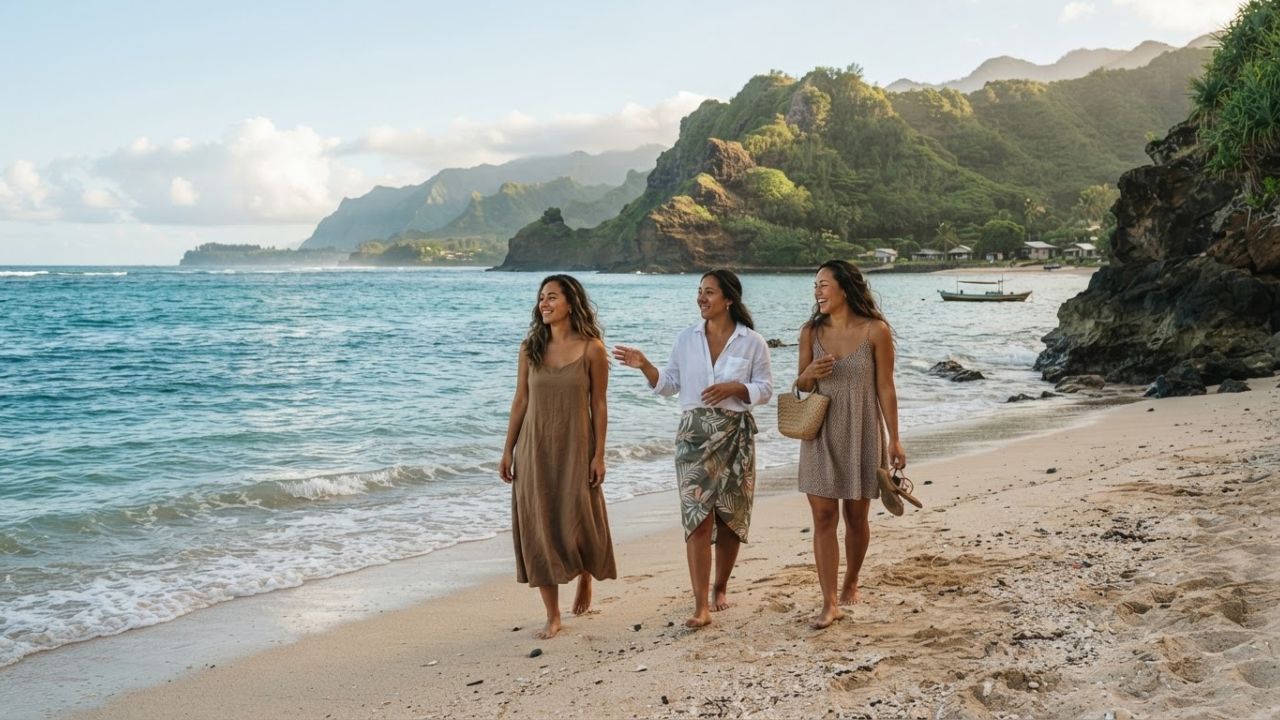
Image generated by AI
Travelers seeking an escape from crowded shorelines are turning to under-the-radar alternatives like Lānaʻi, Dry Tortugas, and Culebra, bypassing famous gateways to experience pristine marine environments and slow-paced island life.
The Local Trend Revealed: Satellite Island Exploration
A notable trend in leisure travel is the selection of secondary, less-crowded satellite islands that sit just beyond globally recognized hotspots. Rather than staying on famous islands like Maui, Key West, mainland Puerto Rico, or Catalina Island, travelers are crossing regional channels to explore remote shores. Accessible only by passenger ferries, charter boats, or small aircraft, these locations provide low visitor densities, preserved natural reserves, and rich cultural heritage.
Key destination profiles and geographic coordinates include:
- Lānaʻi and Molokaʻi (Hawaii): Bypassing Maui's resorts, Lānaʻi offers Hulopoʻe Bay, the volcanic formations of Keahiakawelo, and the small-town setting of Lānaʻi City. Molokaʻi remains rural, featuring dramatic cliffs, Hālawa Valley, Pāpōhaku Beach, and strong ties to Native Hawaiian heritage.
- Dry Tortugas (Florida Keys): Located approximately 70 miles west of Key West, Dry Tortugas National Park covers about 100 square miles of mostly open water across seven small islands. Accessible by boat or seaplane, Garden Key hosts historic Fort Jefferson, while Loggerhead Key features a historic lighthouse and surrounding coral reefs. No road links exist, and the park lacks public food, water, or fuel facilities.
- Culebra and Vieques (Puerto Rico): Culebra highlights coves, reefs, and Flamenco Beach. Vieques features Mosquito Bay, famous for bioluminescent water, alongside coastal lands formerly used by the U.S. Navy.
- Channel Islands (California): Channel Islands National Park protects five islands offshore: Anacapa, Santa Cruz, Santa Rosa, San Miguel, and Santa Barbara. The isolated archipelago hosts more than 2,000 plant and animal species, including 145 found nowhere else on earth.
These destinations appeal to outdoor enthusiasts, hikers, snorkelers, and heritage travelers who prioritize quiet exploration over resort-based leisure.
Alternative Island Destinations & Access Guidelines (2026)
| Target Offshore Island | Primary Hotspot Neighbour | Access Transportation | Core Environmental Experience | Critical Visitor Constraints |
|---|---|---|---|---|
| Lānaʻi, HI | Maui | Ferry service, charter air | Hulopoʻe Bay, Keahiakawelo | Limited rental vehicles |
| Molokaʻi, HI | Maui | Passenger flights, charters | Hālawa Valley, Pāpōhaku Beach | Respect cultural privacy |
| Garden Key, FL | Key West | Ferry, seaplane charters | Fort Jefferson, coral reefs | No public food, water, or fuel |
| Culebra, PR | San Juan (Main Island) | Regional ferries, air hops | Flamenco Beach, coral snorkeling | Strictly protect fragile reefs |
| Vieques, PR | San Juan (Main Island) | Regional ferries, air hops | Mosquito Bay bioluminescence | Verify nightly moon phase |
| Channel Islands, CA | Catalina Island | National park concession boats | Endemic wildlife, hiking paths | Wilderness camping only |
Cultural & Environmental Value: Supporting Offshore Sanctuaries
For the traveler, the real impact of these offshore sanctuaries is the direct contribution to native species restoration and indigenous cultural preservation. When visitors select Molokaʻi's Hālawa Valley or California's Channel Islands over high-density resorts, their entry fees and guide hires directly support local land trusts and native plant nurseries.
Mapped in coordination with the National Park Service (NPS) and regional conservation councils, these low-impact flows protect fragile marine habitats from overcrowding while funding historic preservation. This protects the offshore environment.
Destination Specialist Local Insider Tips
To help you manage travel logistics and explore these remote islands comfortably, regional specialists suggest the following tips:
- Savor Venison Stew on Lānaʻi: Experience regional Hawaiian gastronomy. Try authentic Venison Stew (made from local axis deer, slow-cooked with carrots, potatoes, onions, celery, and local herbs in a rich tomato-based broth, served with white rice) at small cafes in Lānaʻi City.
- Carry All Supplies to Dry Tortugas: Since the national park contains no shops, restaurants, or fresh water, pack all food, beverages, sun protection, and trash bags for your entire stay.
- Book Bioluminescent Tours During New Moons: When visiting Vieques, schedule your Mosquito Bay kayak excursion during the new moon phase to maximize the visibility of the glowing bioluminescent dinoflagellates.
- Obtain Hiking Permits for San Miguel: For California's Channel Islands, check weather bulletins and secure mandatory park ranger-guided permits before hiking the rugged trails of remote San Miguel Island.
- Explore Shipwreck Beach: Take an under-the-radar detour. Visit the under-the-radar Kaiolohia (Shipwreck Beach) on Lānaʻi's northern coast, featuring a shallow channel containing the rusting hull of a WWII liberty ship, quiet beach walks, and petroglyphs.
Long-Term Outlook: Sustainable Preservation Frameworks
The long-term outlook for these alternative island destinations remains positive, driven by the implementation of strict daily visitor caps and ferry transit limits. As regional conservation bodies continue to monitor coral reef health and coordinate with local communities to regulate accommodation development, sustainable travel patterns will strengthen. By balancing low-volume passenger access with community commerce and environmental guidelines, planners are building a resilient, long-term conservation framework.
Related Travel Guides
Disclaimer
This article is for informational and educational purposes only. It does not constitute legal, financial, or professional advice. While we strive to provide accurate and up-to-date information, travel policies, regulations, and conditions change rapidly. Always verify information with official sources before making travel decisions. Nomad Lawyer makes no representations about the accuracy, reliability, completeness, or suitability of the information provided. Readers should consult qualified professionals for advice specific to their circumstances. The views expressed in this article are those of the author and do not necessarily reflect the views of Nomad Lawyer.
Naina Thakur
Contributor & Travel Specialist
Travel enthusiast and legal writer covering visa regulations, responsible tourism, and cultural journeys across global destinations.
Learn more about our team →