
US Heritage Tourism Shifts: St. Augustine and Charleston Lead Adventure-Historic Hybrid Growth in 2026
Data reveals a surge in 'adventure-historic' hybrid travel, with St. Augustine seeing a 28% jump in eco-tourism and Charleston ranking as the top small city for heritage preservation in 2026.

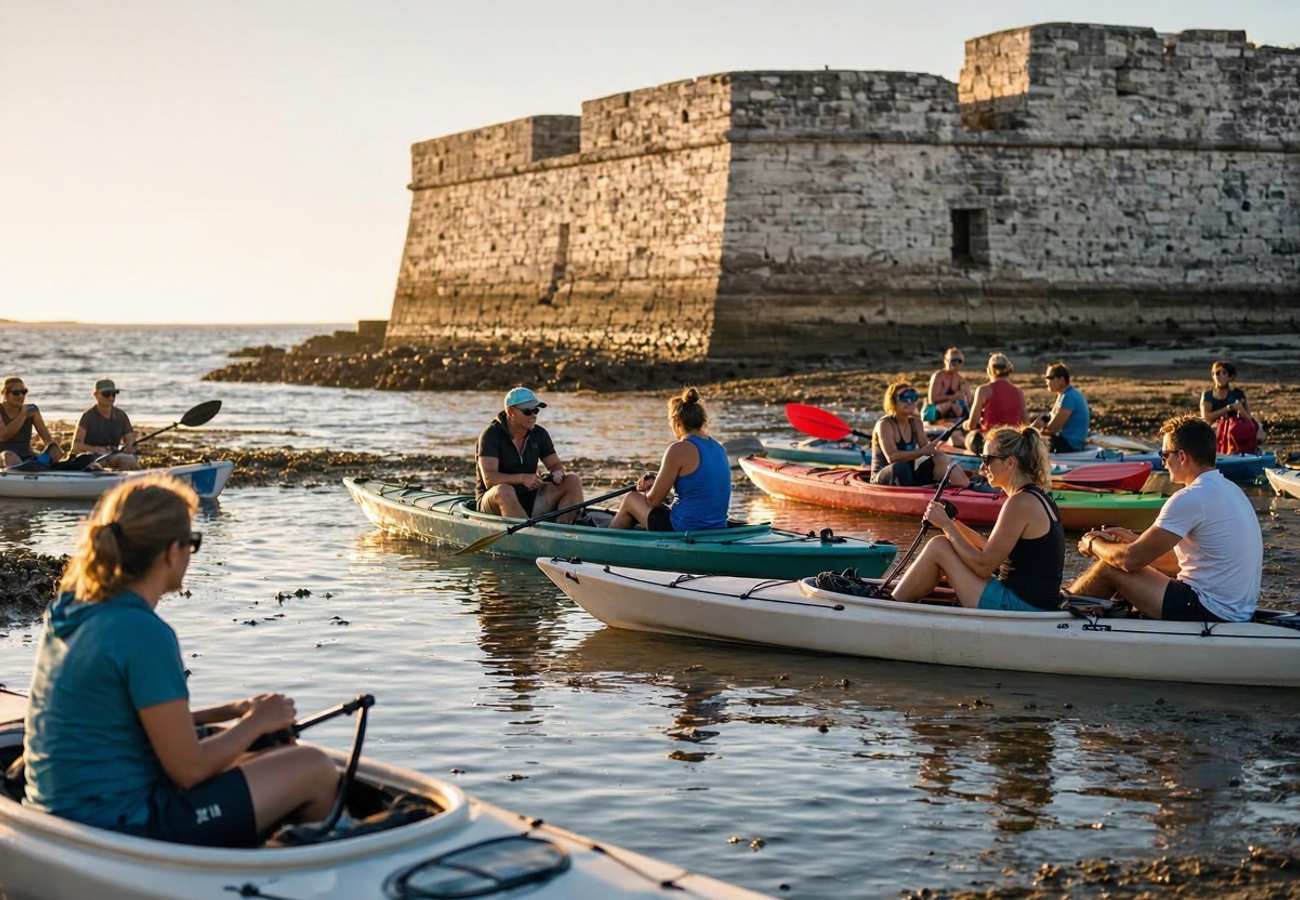
Image generated by AI
Visitor engagement in heritage-rich US cities has transitioned from passive sightseeing to active immersion, with St. Augustine reporting a 28% increase in guided wildlife and aquatic eco-tours in 2026. This shift indicates a structural evolution in domestic travel where the "museum-only" model is being replaced by a hybrid "heritage-adventure" framework, blending colonial architecture with rugged outdoor exploration.
The Hybrid Tourism Model in Numbers
The 2026 travel data suggests that federal preservation grants from the National Park Service (NPS) and the U.S. Department of the Interior have created a stable foundation for this growth. By securing the structural integrity of colonial-era fortifications and indigenous sites, these agencies have enabled cities to handle record-breaking visitor volumes without compromising historical authenticity.
In St. Augustine, Florida, the focus has shifted toward the intersection of the Castillo de San Marcos—a 17th-century coquina masonry fortress—and the surrounding Atlantic waterways. Municipal reports show that the surge in participation is concentrated in brackish-water kayaking and paddleboarding through protected tidal creeks. This is not merely a trend in activity but a shift in spending, as tourists now allocate more of their itinerary to state-permitted wildlife tours involving manatees and bottlenose dolphins.
Similarly, Charleston, South Carolina, has leveraged its status as the #1 Top Small City in 2026 to merge antebellum architectural tours with deep-sea sportfishing and harbor regattas. Data indicates that the average heritage tourist now spends 4.2 days in the city, a duration that allows for a split itinerary between the French Quarter's Georgian architecture and the coastal barrier islands.
Regional Performance and Market Positioning
The current trajectory shows a clear divergence between traditional "city break" destinations and these hybrid hubs. While standard urban tourism has plateaued, cities that integrate World Tourism Organization (UNWTO) sustainability frameworks—such as carbon-neutral mobility and strict carrying-capacity models—are seeing higher retention rates.
The following table breaks down the current market positioning of the leading hybrid destinations in 2026:
| Destination | 2026 Market Rank | Primary Heritage Anchor | Growth Driver (Adventure) | Key Metric |
|---|---|---|---|---|
| Charleston, SC | #1 Small City | Antebellum/Georgian District | Deep-Sea Fishing & Regattas | 4.2 Avg. Days Stay |
| Santa Fe, NM | #3 Small City | Palace of the Governors (1610) | Alpine Wilderness/Hiking | High Indigenous Art Sales |
| St. Augustine, FL | Top Tier | Castillo de San Marcos | Marine Eco-Tours | +28% Eco-Tour Participation |
| Savannah, GA | Emerging | Historic Squares/Mansions | Coastal Marsh Kayaking | High Sustainable Growth |
| Boston, MA | Established | Revolutionary Trails | Marine Conservation/Sailing | High Federal Grant Funding |
What This Means for Travelers
The data suggests that the "shoulder season" is disappearing for these destinations because the appeal is no longer tied solely to temperate weather for walking tours, but to year-round outdoor activities.
Booking and Logistics Advice:
- Lead Times: For those visiting Charleston or St. Augustine in Q4, booking 10-12 weeks in advance is now required. The convergence of federal commemorative events and the rise in eco-tourism has tightened hotel inventory in the historic cores.
- Activity Pairing: Travelers should book "bundled" experiences. Data shows that the most satisfied visitors are those who pair a morning architectural tour (e.g., the Palace of the Governors in Santa Fe) with an afternoon wilderness expedition.
- Permit Awareness: Because many of these activities—specifically in St. Augustine’s tidal creeks—operate under strict state wildlife permits, "walk-in" availability for eco-tours has plummeted. Pre-booking through certified operators is essential.
Forward Projection: The 2027 Trajectory
Based on the 2026 influx of federal infrastructure funding for greenways and bicycle corridors, we expect a further decentralization of tourism. The trend is moving away from the "historic center" and toward the "periphery."
By 2027, we project that municipal governments will implement more aggressive "carrying-capacity" limits in downtown districts to prevent over-tourism, pushing visitors toward the surrounding natural wilderness areas via new eco-friendly maritime docking facilities. This will likely increase the value of boutique accommodations located on the outskirts of the historic districts rather than in the center.
FAQ: US Heritage Adventure Tourism 2026
Will prices increase in these hybrid destinations? Yes. The high demand for certified eco-guides and the limited capacity of historic districts are driving up costs for both lodging and guided experiences in Charleston and St. Augustine.
Is it better to visit in the off-season? The traditional off-season is shrinking. However, visiting during mid-week windows in Q1 or Q3 offers better access to protected marine sanctuaries and less crowded historic sites.
Which city offers the best blend of history and nature? St. Augustine currently leads in aquatic adventure (28% growth), while Santa Fe is the premier choice for those seeking a blend of indigenous history and alpine wilderness.
The era of the passive tourist is over; the age of the historic adventurer has arrived.
Related Travel Guides
Disclaimer
This article is for informational and educational purposes only. It does not constitute legal, financial, or professional advice. While we strive to provide accurate and up-to-date information, travel policies, regulations, and conditions change rapidly. Always verify information with official sources before making travel decisions. Nomad Lawyer makes no representations about the accuracy, reliability, completeness, or suitability of the information provided. Readers should consult qualified professionals for advice specific to their circumstances. The views expressed in this article are those of the author and do not necessarily reflect the views of Nomad Lawyer.
Preeti Gunjan
Contributor & Community Manager
A passionate traveller and community builder. Preeti helps grow the Nomad Lawyer community, fostering engagement and bringing the reader experience to life.
Learn more about our team →