
US Heatwave 2026: Montana and Utah Record Temperatures as Extreme Heat Shifts East
Record-breaking temperatures in Montana and Utah mark a historic 2026 heatwave as a massive heat dome shifts toward the US Northeast and Midwest.

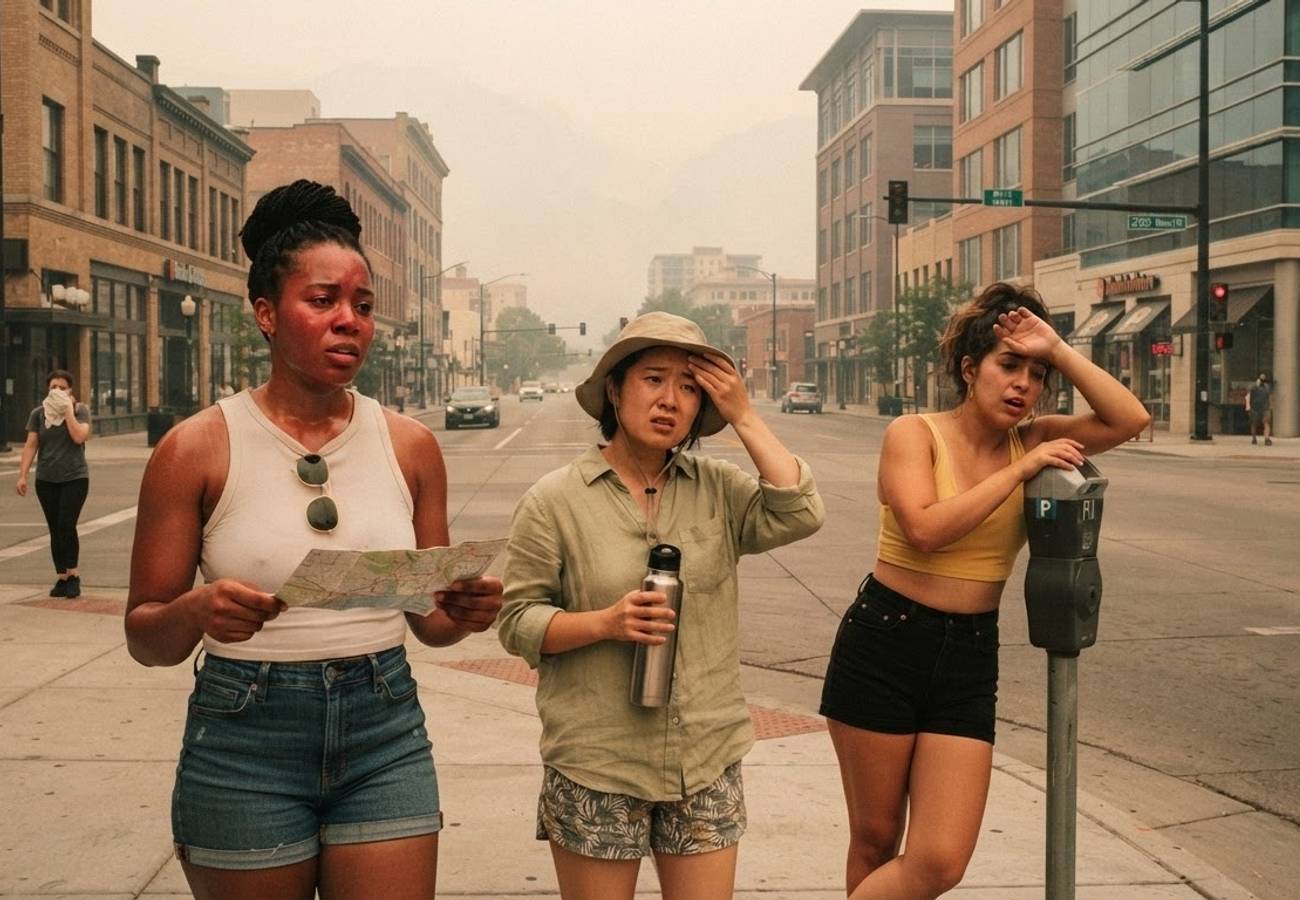
Image generated by AI
The United States is facing a severe meteorological crisis as a massive heat dome pushes temperatures to unprecedented levels, coinciding with hazardous air quality from Canadian wildfires.
Extreme Temperature Records in the West
A high-pressure heat dome has triggered historic temperature spikes across the western United States. Data confirms that two major cities have rewritten their climate records during this event.
Billings, Montana, reached an all-time high of 111°F (43.9°C). Simultaneously, Salt Lake City, Utah, climbed to 109°F (42.8°C), establishing a new record for the city.
Industry observers note that these prolonged periods of exceptional heat place significant stress on public services and tourism infrastructure, particularly in regions where outdoor activity is the primary draw.
Heat Shift to the Plains and Northeast
The center of the extreme heat has now migrated eastward. Large sections of the Great Plains, Midwest, and Northeastern United States are currently recording temperatures 20 to 30 degrees above normal seasonal averages.
In these regions, high humidity is pushing the heat index well above 100°F. This makes the perceived temperature significantly higher than the actual air temperature, creating dangerous conditions for residents and tourists during the peak summer holiday window.
Air Quality Degradation via Canadian Wildfires
Concurrent with the heatwave, wildfire smoke drifting south from Canada is compromising air quality across the northern United States and the Midwest. This haze has resulted in:
- Widespread air quality alerts.
- Elevated concentrations of fine particulate matter.
- Reduced visibility on scenic drives, hiking trails, and popular viewpoints.
Health authorities are urging travelers with cardiovascular illnesses, asthma, or respiratory conditions to monitor local air quality forecasts closely.
Tourism Infrastructure and Operational Status
Despite these conditions, national tourism infrastructure remains fully operational. Airports are maintaining scheduled domestic and international flight operations. Hotels, museums, and transport systems in the affected regions continue to function.
National parks, including Glacier, Grand Teton, and Yellowstone, remain open. However, park authorities have issued specific guidance for visitors:
- Begin all hiking and outdoor excursions in the early morning.
- Carry maximum available drinking water.
- Strictly adhere to weather advisories.
In urban hubs such as New York, Chicago, Boston, Washington DC, and Philadelphia, there is a visible shift toward indoor attractions, including shopping centers and museums, during peak afternoon heat.
Salt Lake City Logistics and Travel Data
For those navigating the affected western regions, the following logistical data applies to Salt Lake City:
Transport Hubs
- Airport: Salt Lake City International Airport (approx. 10 km from Downtown).
- Rail: Salt Lake Central Station (Amtrak, FrontRunner, and TRAX services).
Key Proximity Points
- Temple Square: 11 km from airport.
- Utah State Capitol: 13 km from airport.
- Red Butte Garden: 16 km from airport.
- Great Salt Lake State Park: 28 km from airport.
- Big Cottonwood Canyon: 35 km from airport.
Local Services
- Accommodations: Grand America Hotel, Hyatt Regency, Little America Hotel, Marriott City Centre.
- Retail/Grocery: City Creek Centre, The Gateway, Fashion Place Mall, Smith’s, Whole Foods Market, Trader Joe’s, Walmart Supercenter.
Critical Weather Statistics
| Location / Region | Data Point | Record / Value |
|---|---|---|
| Billings, Montana | All-time High Temp | 111°F (43.9°C) |
| Salt Lake City, Utah | All-time High Temp | 109°F (42.8°C) |
| Plains & Northeast | Variance from Norm | +20°F to +30°F |
| Eastern US | Heat Index | > 100°F |
Why This Matters
Our analysis of the current weather patterns indicates a compounding crisis. The intersection of a record-breaking heat dome and particulate-heavy wildfire smoke creates a "double-threat" scenario for the travel industry.
Unlike a standard heatwave, the presence of smoke limits the ability of tourists to seek refuge in the natural landscapes of the North and West, while the heat index in the East pushes urban tourism toward an indoor-only model. This forces a total restructuring of summer itineraries, shifting the economic weight from outdoor recreation to indoor hospitality and cultural venues.
Industry Outlook
Market trends suggest a permanent shift in how summer travel in the US is scheduled. We expect to see "split-day" itineraries become the standard, where outdoor activities are compressed into a 6:00 AM to 11:00 AM window.
Travelers should anticipate increased flexibility in booking and a higher reliance on real-time air quality indices (AQI) rather than just temperature forecasts. While infrastructure currently holds, prolonged heat of this magnitude may eventually lead to operational constraints on rail and road networks due to thermal expansion and stress.
Travelers are advised to maintain strict hydration and monitor local advisories.
Related Travel Guides
Disclaimer
This article is for informational and educational purposes only. It does not constitute legal, financial, or professional advice. While we strive to provide accurate and up-to-date information, travel policies, regulations, and conditions change rapidly. Always verify information with official sources before making travel decisions. Nomad Lawyer makes no representations about the accuracy, reliability, completeness, or suitability of the information provided. Readers should consult qualified professionals for advice specific to their circumstances. The views expressed in this article are those of the author and do not necessarily reflect the views of Nomad Lawyer.
Kunal K Choudhary
Co-Founder & Contributor
A passionate traveller and tech enthusiast. Kunal contributes to the vision and growth of Nomad Lawyer, bringing fresh perspectives and driving the community forward.
Learn more about our team →