
US Government Issues Major Travel Advisories for Trinidad and Tobago, Jamaica, and Saint Lucia Due to Rising Crime in 2026
The US government has issued urgent travel advisories for Trinidad and Tobago, Jamaica, and Saint Lucia following a sharp increase in violent crime and gang activity.

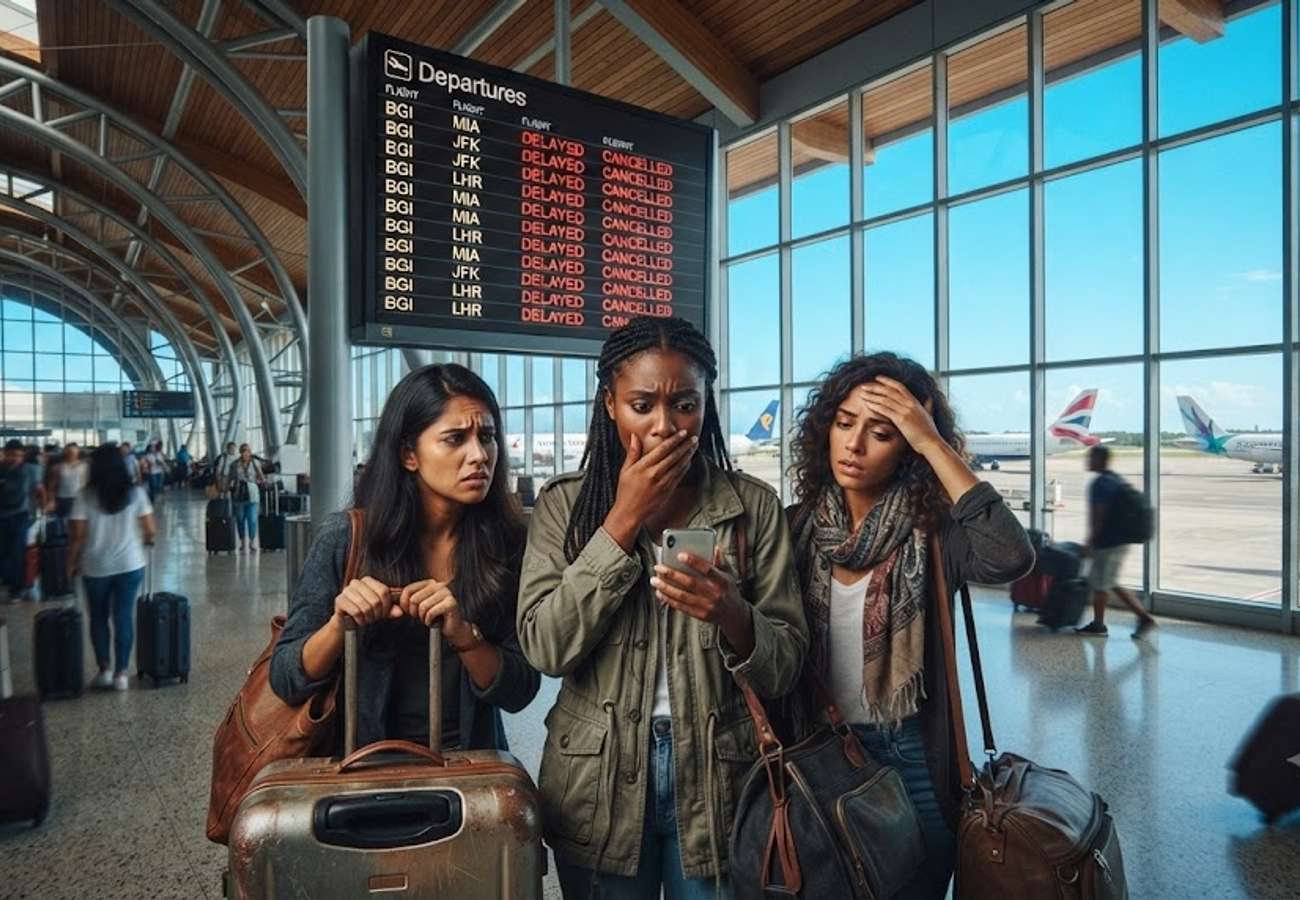
Image generated by AI
[City, July 17, 2026] — The United States government has implemented a series of critical security updates for American citizens planning trips to the Caribbean, specifically targeting Trinidad and Tobago, Jamaica, and Saint Lucia. These advisories come in response to a rapid escalation in violent crime, organized gang activity, and targeted attacks on foreign nationals across these popular tourist hubs.
The shift in security status reflects a deteriorating environment where luxury resorts and traditionally safe tourist zones are increasingly vulnerable to armed robbery, home invasions, and cartel-related violence. Industry observers note that local law enforcement agencies in these regions are currently overwhelmed, leading to significant delays in emergency response times.
Security Risk Classifications for Caribbean Destinations
The federal government utilizes a tiered system to communicate risk, and several Caribbean nations have seen their status elevated. These designations are not merely suggestions; they directly influence travel insurance validity, commercial flight operations, and diplomatic support availability.
| Destination | Advisory Level | Primary Reasons | Note |
|---|---|---|---|
| Trinidad and Tobago | Level 3: Reconsider Travel | Crime, Health, Terrorism | Includes a declared State of Emergency (as of March 2026) due to spikes in violent crime. |
| Jamaica | Level 2: Exercise Increased Caution | Crime, Health | Certain parishes/neighborhoods have been escalated to Level 3 due to extreme risk of crime. |
| Saint Lucia | Level 2: Exercise Increased Caution | Crime | Recently elevated (July 2026) due to concerns regarding armed robbery, assault, and burglary. |
Critical Security Crisis in Trinidad and Tobago
The decision to move Trinidad and Tobago to a Level 3 "Reconsider Travel" status is the result of systemic infrastructure failures and a surge in gang-led violence. The situation reached a breaking point in March 2026, prompting the domestic government to declare a nationwide State of Emergency to combat a wave of daylight carjackings and a spike in homicide rates.
For American travelers, the risk is compounded by a "Terrorism" indicator now associated with the region. Security reports indicate that high-traffic areas, including international hotels in Port of Spain and crowded shopping centers, remain susceptible to indiscriminate attacks.
Furthermore, the State Department has issued specific warnings regarding behavioral triggers. For example, civilians are strictly prohibited from wearing camouflage clothing, as doing so is illegal and typically results in immediate detention by law enforcement. Simple leisure activities, such as walking on unpatrolled beaches or visiting Queen’s Park Savannah, are now viewed as high-risk maneuvers due to the probability of armed assault.
Geographic Volatility and Crime in Jamaica
Jamaica continues to struggle with a high per-capita homicide rate, largely driven by violent turf wars between gangs controlling drug distribution networks. While the Jamaican government maintains a heavy security presence within designated tourist corridors, the US Embassy has documented a rise in extortion, sexual assault, and armed robberies targeting foreigners, even within the confines of all-inclusive resorts.
The most significant risk for tourists is "geographic spillover." Travelers who venture outside the secure perimeter of resorts in Montego Bay may inadvertently enter "Level 3 micro-zones." Areas such as Mount Salem and Flankers are cited as high-risk zones where local police have minimal operational control. Additionally, officials warn against engaging with local lottery scams, which have recently evolved into physical kidnappings or extortion attempts when victims try to resolve the fraud in person.
Deteriorating Safety Profiles in Saint Lucia
Previously regarded as a low-risk sanctuary for honeymooners, Saint Lucia saw its advisory status raised to Level 2 in July 2026. This update follows a documented increase in violent crimes, including armed resort burglaries, physical assaults on expatriates, and home invasions.
Current data suggests a shift in criminal behavior; petty theft is being replaced by the use of firearms during opportunistic street robberies. There is also a concerning trend regarding the use of date-rape narcotics in spiked drinks within the island's nightlife districts. Consular officials have issued urgent warnings for those attending music festivals or evening markets. These threats are exacerbated by a lag in municipal emergency services, with tourists reporting that police often fail to respond to emergency dispatches in a timely manner.
Impact on Commercial Aviation and Flight Availability
Changes in federal risk tiers create immediate macroeconomic pressure on the aviation industry. When a destination reaches Level 3, major airlines typically conduct an internal safety audit regarding the security of ground operations and overnight stays for flight crews.
If the operational risk is deemed too high, carriers may consolidate flight schedules or reduce the frequency of direct routes to mitigate corporate liability. For passengers, this manifests as fewer flight options, a higher probability of sudden cancellations, and an increase in ticket prices to cover the higher cost of operating in a high-risk zone. Travelers are advised that standard non-refundable tickets generally do not provide coverage for cancellations based solely on government travel warnings.
Insurance Limitations and Financial Risks
Standard travel insurance policies often contain exclusion clauses that render them useless during a federal security crisis. Most comprehensive plans do not cover losses resulting from geopolitical instability, acts of terrorism, or travel to regions where the government has advised against visiting.
If a traveler visits a Level 3 zone, a standard policy will likely deny claims for stolen property, trip cancellations, or non-medical emergency evacuations. To mitigate this, industry experts recommend "Cancel for Any Reason" (CFAR) upgrades. While more expensive, these riders provide a financial safety net regardless of shifts in local crime statistics or sudden changes in government mandates.
Utilizing the STEP Program for Diplomatic Protection
To manage physical risk, the US government encourages the use of the Smart Traveler Enrollment Program (STEP). This free service, managed by the Bureau of Consular Affairs, allows citizens to register their itineraries with the nearest US Embassy or Consulate.
In the event of a gang lockdown, natural disaster, or sudden security breach, the embassy uses this registry to push real-time safety updates and evacuation protocols directly to the traveler's mobile device. STEP also provides a secure communication link between the traveler and their family in the US should an emergency occur.
Travelers are urged to prioritize official government maps and security briefings over resort-provided safety assurances.
Related Travel Guides
Disclaimer
This article is for informational and educational purposes only. It does not constitute legal, financial, or professional advice. While we strive to provide accurate and up-to-date information, travel policies, regulations, and conditions change rapidly. Always verify information with official sources before making travel decisions. Nomad Lawyer makes no representations about the accuracy, reliability, completeness, or suitability of the information provided. Readers should consult qualified professionals for advice specific to their circumstances. The views expressed in this article are those of the author and do not necessarily reflect the views of Nomad Lawyer.
Raushan Kumar
Founder & Lead Developer
Full-stack developer with 11+ years of experience and a passionate traveller. Raushan built Nomad Lawyer from the ground up with a vision to create the best travel and law experience on the web.
Learn more about our team →