
How the Great Atlantic Sargassum Seaweed Super-Bloom is Rerouting Caribbean and Florida Beach Tourism to Protected Leeward Coastlines in 2026
A massive sargassum seaweed super-bloom impacts Florida, Mexico, and Caribbean beaches. Review affected regions, cleanups, and local traveler tips.

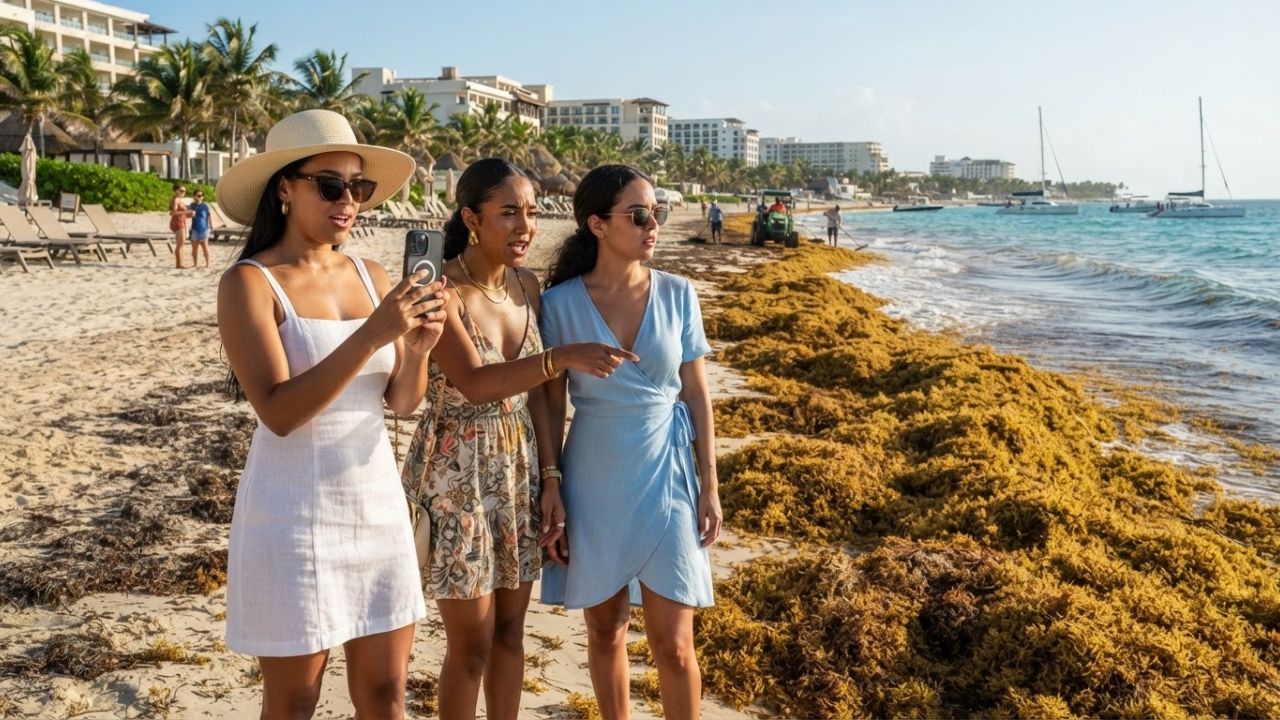
Image generated by AI
How the Great Atlantic Sargassum Seaweed Super-Bloom is Rerouting Caribbean and Florida Beach Tourism to Protected Leeward Coastlines in 2026
A massive, thousands-of-miles-wide sargassum seaweed super-bloom is impacting beaches across Florida, Mexico, and the Caribbean. This environmental shift is prompting travelers to track satellite data and redirect their vacations to protected, west-facing coastlines.
The Local Trend Revealed
A significant change in traveler behavior is occurring across the tropical Atlantic. A thousands-of-miles-wide sargassum seaweed belt is depositing massive quantities of organic material onto popular windward beaches. The super-bloom, tracked by the University of South Florida Optical Oceanography Laboratory, has established a self-sustaining growth cycle in the warm waters of the equatorial Atlantic.
The rapid growth is driven by agricultural fertilizer runoff from the Amazon and Mississippi river basins feeding into warming seas. When these nutrients reach shallow coastal bays under intense summer sunlight, they create a perfect environment for seaweed growth. Once trapped against the shore, the seaweed decomposes within 48 hours, releasing noxious hydrogen sulfide and ammonia gases that cause respiratory irritation and drive visitors away from beachfront hotels.
As a result, booking patterns are shifting. Savvy travelers are consulting real-time satellite oceanography reports to identify protected, west-facing (leeward) beaches that remain free of sargassum, leaving exposed Atlantic-facing resorts with lower occupancy rates.
Cultural & Environmental Value (Information Gain)
- Supporting Local Manual Cleanup Teams: Desperate to keep beaches clear, many resorts deploy heavy tractors that scoop up the seaweed. However, this heavy machinery strips away native sand, accelerating coastal erosion. Eco-conscious travelers are choosing properties that support the local economy by hiring manual raking crews, which provides vital employment for coastal residents while protecting the beach.
- Exploring Inland Cultural Heritage: To reduce the environmental footprint on fragile coastlines, visitors are redirecting their itineraries to inland attractions. In Mexico's Quintana Roo state, this shift is directing tourism revenue to regional Mayan communities through cenote guided tours and culinary excursions.
- Funding Marine Conservation: A portion of municipal cleanup taxes and national park fees is being redirected to support marine research organizations, including the Woods Hole Oceanographic Institution. These funds help develop eco-friendly offshore containment nets and seaweed-harvesting naval vessels.
The geographic footprint of the sargassum impact and the corresponding economic risks are detailed in the tables below:
Sargassum Tourism Impact Matrix by Country and Region
| Country / Region | Key Affected Areas | Tourism Industry Impact | Estimated Cleanup & Operational Costs |
|---|---|---|---|
| Mexico | Quintana Roo (Cancún, Riviera Maya, Tulum, Playa del Carmen) | Summer occupancy drops; beachfront weddings and watersports canceled | over 90,000 tonnes collected annually; Riviera Maya Hotel Association seeking state of emergency |
| United States | South Florida (Miami Beach), Florida Keys, Panhandle | Beach closures; rotting odors deter dining and boardwalk visits | Miami-Dade spends $35 million annually; Fort Lauderdale spends $380,000 |
| Dominican Republic | Punta Cana, Bávaro, Southern Coast | Choked beaches; snorkeling and dive excursions canceled | Private resorts funding expensive offshore floating barriers |
| U.S. Virgin Islands | St. Croix, St. Thomas | Power plant and desalination water intakes blocked; power cuts | Federal state of emergency declared; removal costs up to $25,000 daily |
| French West Indies | Guadeloupe, Martinique | Toxicity closures near bays; mangrove and coral reef damage | Harvester boats and offshore nets funded by French national government |
| Jamaica | North and South Coasts (Montego Bay) | Stranded fishing charters; beach erosion from tractor clearing | Contributes to pan-Caribbean management costs exceeding $120 million annually |
Macro-Economic Consequences and Long-Term Risks of the Seaweed Bloom
| Impact Vector | Primary Consequence | Economic Ramification | Long-Term Structural Risk |
|---|---|---|---|
| Resort Operations | Lower room occupancy, canceled outdoor events | Room-rate drops up to 40% in exposed zones | Devaluation of premium beachfront real estate brands |
| Municipal Strain | Mass equipment acquisition, landfill overload | Millions spent annually from local tax bases | Diversion of public funds away from schools and roads |
| Public Health | Toxic gas emissions, skin irritations | Increased local medical expenses, workplace absences | Liability risks for resorts and labor pushback over safety |
| Ecological Integrity | Hypoxic dead zones, smothered coral reefs | Destruction of dive tourism and local reef fisheries | Loss of natural reef barriers, increasing hurricane risk |
Visitor Insider Tips
- Identify Leeward Beach Destinations: When planning a Caribbean vacation, select destinations protected by geographic barriers or western coastal orientations. For example, the west coast of Cozumel, Aruba, Curacao, and the Turks and Caicos remain largely free of sargassum due to prevailing westerly winds and currents.
- Determine the Best Travel Window: The peak sargassum bloom season typically runs from April to October. Planning your visit during the winter months (November to January) provides clean, seaweed-free shorelines.
- Support Local Inland Dining: Shift your dining choices from beachfront boardwalks to local restaurants located further inland. In Quintana Roo, try traditional Yucatecan dishes like cochinita pibil at family-owned spots, which directly supports the local community away from the seaweed-impacted coastal strip.
- Discover Under-the-Radar Inland Spots: Skip the crowded, seaweed-strewn beaches and explore regional inland attractions. In Martinique, hike the rainforest trails around Mount Pelée; in the Dominican Republic, explore the ecological paths of Los Tres Ojos National Park.
Tourism Outlook
The sargassum crisis is permanently changing travel booking behavior. Travelers are no longer just checking weather forecasts; they are actively tracking satellite imagery to avoid impacted coastlines.
For hotel operators and regional governments, the focus must shift from temporary beach clearing to long-term containment. Investing in sustainable offshore barriers and utilizing specialized naval vessels to harvest sargassum at sea will be essential to protect both the fragile marine environment and the region's tourism economy.
FAQ: Sargassum Seaweed Tourism Impacts
What causes the sargassum super-bloom?
The super-bloom is driven by agricultural nutrient runoff from major river basins combined with record-high ocean surface temperatures.
How does sargassum affect traveler health?
Decomposing sargassum releases hydrogen sulfide and ammonia gases, which smell of rotten eggs and can cause respiratory irritation and nausea.
Which Caribbean beaches are less affected by sargassum?
West-facing, leeward beaches—such as those on Aruba, Curacao, and the western coast of Cozumel—remain largely free of sargassum due to wind patterns.
Related Travel Guides
- How Small-Ship Coastal Cruising is Reviving Historic Waterfront Tourism and Supporting Regional Economies in New England and Florida in 2026
- How Portland is Leading Sustainable Urban Tourism Innovations Through the Destinations International Annual Convention in 2026
- How Global Security Advisories are Reshaping Geopolitical Travel Planning and Destination Choices for International Travelers in 2026
Disclaimer
This article is for informational and educational purposes only. It does not constitute legal, financial, or professional advice. While we strive to provide accurate and up-to-date information, travel policies, regulations, and conditions change rapidly. Always verify information with official sources before making travel decisions. Nomad Lawyer makes no representations about the accuracy, reliability, completeness, or suitability of the information provided. Readers should consult qualified professionals for advice specific to their circumstances. The views expressed in this article are those of the author and do not necessarily reflect the views of Nomad Lawyer.
Kunal K Choudhary
Co-Founder & Contributor
A passionate traveller and tech enthusiast. Kunal contributes to the vision and growth of Nomad Lawyer, bringing fresh perspectives and driving the community forward.
Learn more about our team →