
Disruption Hub: Flight Delays and Cancellations Sweep Major US Airports
Over 3,207 delays and 170 cancellations swept across the USA, as thunderstorms and low ceilings prompted FAA ground stops at Chicago and other hubs.

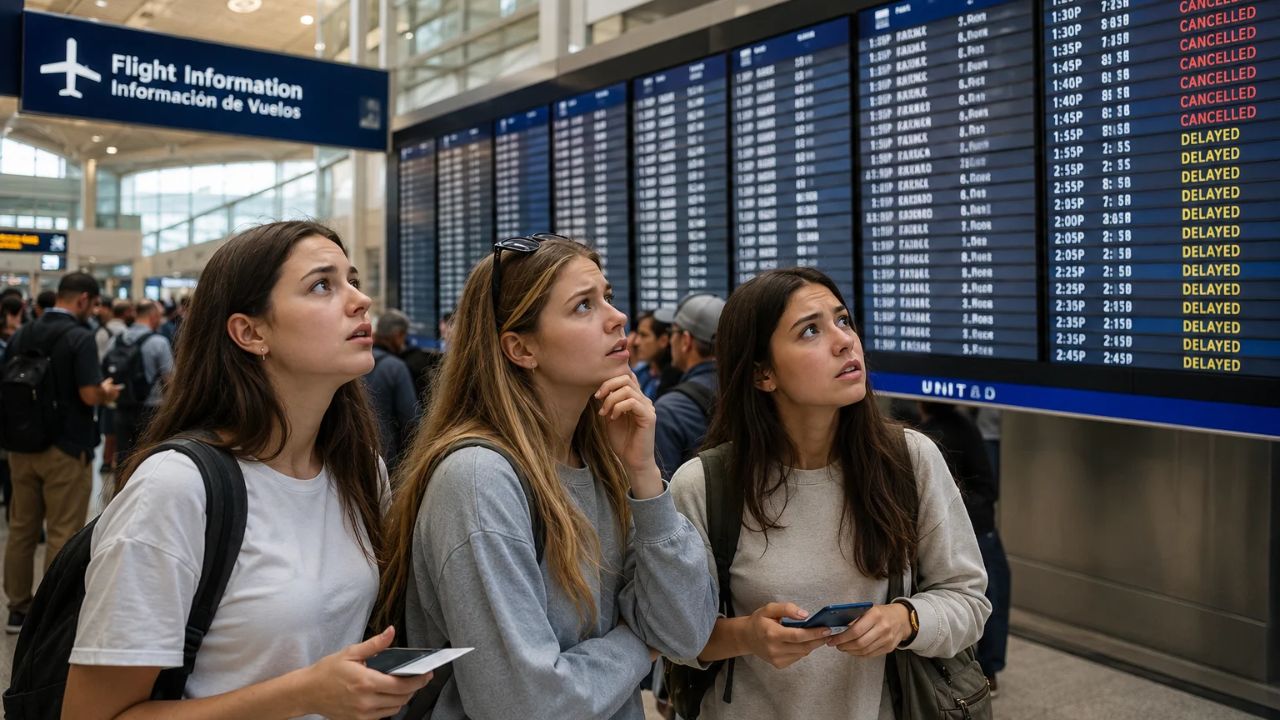
Image generated by AI
Flight disruptions swept across the United States on August 15, 2026, resulting in 3,207 delays and 170 cancellations affecting Chicago O'Hare and 11 other major airports. According to FlightAware metrics recorded at 1:41 pm ET, thunderstorms and low ceilings prompted severe FAA ground stops.
Weather and Air Traffic Complications in Hub Networks
A prominent trend in global aviation is the susceptibility of hub-and-spoke networks to localized weather events. As air traffic volumes reach near-capacity thresholds, weather anomalies—such as low ceilings in San Francisco or thunderstorms in Chicago—have compounding cascading effects across national aviation corridors.
A single ground stop at a midwestern hub can stall incoming flights across both coasts. This structural vulnerability forces airlines to rely on automated rebooking algorithms, making it necessary for travelers to monitor real-time FAA airspace status.
Major U.S. Airports Affected by Ground Stops
Flight tracking data recorded by FlightAware at 1:41 pm ET on August 15, 2026, showed significant delays across 12 primary airports:
- Chicago O'Hare International Airport (ORD): Recorded 351 delays and 5 cancellations, under a ground stop due to thunderstorms.
- San Francisco International Airport (SFO): Recorded 235 delays and 8 cancellations, experiencing a ground delay averaging 51 minutes due to low ceilings.
- Boston Logan International Airport (BOS): Recorded 196 delays and 5 cancellations, with a ground delay averaging 74 minutes due to low ceilings.
- San Diego International Airport (SAN): Recorded 235 delays and 6 cancellations, with departures experiencing a 15-minute delay due to traffic volume.
- John F. Kennedy International Airport (JFK): Recorded 153 delays and 34 cancellations, showing one of the highest cancellation counts among the hubs.
- Philadelphia International Airport (PHL): Recorded 149 delays and 25 cancellations.
- Other Affected Gateways: Delays also impacted Los Angeles (126 delays), Newark Liberty, LaGuardia, Ronald Reagan Washington National, George Bush Intercontinental, and Austin-Bergstrom.
These operational constraints affected aircraft schedules beyond the airports where restrictions were initially imposed.
Airline Operations Under Financial and Schedule Strain
Major domestic carriers recorded significant disruptions across their networks:
- American Airlines: Recorded 516 delays and 14 cancellations, representing the highest delay count among the carriers.
- Delta Air Lines: Recorded 237 delays and 20 cancellations, experiencing a higher cancellation total than American despite fewer delays.
- JetBlue: Recorded 145 delays and 21 cancellations.
- PSA Airlines: Recorded 135 delays and 31 cancellations, representing the highest cancellation total among the reported carriers.
These numbers demonstrate the impact of weather-related ground delays on regional and national airline schedules.
US Flight Disruptions and FAA Regulations
The table below breaks down the delays, cancellations, and FAA operational restrictions across the most affected U.S. airports and carriers on August 15, 2026:
| Airport or Carrier Name | Delays Recorded (1:41 pm ET) | Cancellations Recorded | Primary FAA Operational Constraint | Average Departure / Ground Delay |
|---|---|---|---|---|
| Chicago O'Hare (ORD) | 351 delays | 5 cancellations | Thunderstorms (Ground stop) | Variable traffic hold |
| San Diego (SAN) | 235 delays | 6 cancellations | High traffic volume | Average 15-minute delay |
| San Francisco (SFO) | 235 delays | 8 cancellations | Low ceilings (Ground delay) | Average 51-minute delay |
| Boston Logan (BOS) | 196 delays | 5 cancellations | Low ceilings (Ground delay) | Average 74-minute delay |
| John F. Kennedy (JFK) | 153 delays | 34 cancellations | High traffic volume | Variable traffic hold |
| Philadelphia (PHL) | 149 delays | 25 cancellations | High traffic volume | Variable traffic hold |
| American Airlines | 516 delays | 14 cancellations | Multi-hub schedule strain | Fleet repositioning |
| PSA Airlines | 135 delays | 31 cancellations | Regional route disruption | Fleet repositioning |
These metrics show the delay counts, cancellation figures, and specific FAA restrictions established during the event.
Resource Stewardship and Efficient Travel Management
For the traveler, the real impact of monitoring real-time FAA airspace updates is the prevention of unnecessary transit to congested terminals. Checking the status page at nasstatus.faa.gov allows passengers to remain at their hotels, reducing terminal overcrowding and municipal transport emissions.
Additionally, choosing alternative rail corridors—such as Amtrak's Northeast Corridor when traveling between Boston, New York, and Philadelphia—provides a low-impact alternative during regional ground stops. Consolidating travel schedules during delays helps airlines optimize fuel use by reducing the time aircraft spend idling on taxiways.
For example, you can explore the changing dynamics of Privacy Certified: United Airlines Activates Polaris Suite Doors to see how carriers manage aircraft schedules. For budget-conscious travelers, checking regional flight guides mirrors similar capacity shifts, such as the Vietjet Colombo Ho Chi Minh City Direct Flights updates. This trend is similar to the tourism growth seen in other destinations, as detailed in our guide on how Utica, New York Emerges as an Affordable Northeast Tourism Hub.
Passenger Guidelines During Flight Disruptions
If you are traveling through affected U.S. hubs, keep these practical tips in mind:
- Monitor FAA Airspace Status: Check the official FAA National Airspace System page online before departing for the airport to identify active ground stops.
- Verify Status Via Mobile Apps: Check your airline's mobile app for real-time gate changes, departure times, and aircraft updates.
- Contact Carriers Immediately: If your flight is cancelled, contact your airline via phone or digital portals immediately to discuss rebooking options.
- Maintain Digital Backups: Keep offline copies of your booking references, boarding passes, and identification on your mobile device.
- Check Connecting Transit: Review your onward rail, road, or flight connections if your arrival is delayed by ground stops.
Long-Term Outlook for Air Traffic Control
The long-term outlook for the U.S. aviation sector is focused on upgrading radar networks, introducing NextGen air traffic control technologies, and building weather-resilient runways. As flight volumes increase, the FAA will rely on automated systems to manage traffic flows during severe weather events.
By improving weather forecasting and supporting regional transit links, the industry aims to minimize the impact of national airspace closures.
FAQ
What caused the ground stop at Chicago O'Hare?
The ground stop at O'Hare was prompted by thunderstorms in the Chicago metropolitan area.
What caused delays at San Francisco and Boston Logan?
Ground delays at San Francisco and Boston Logan were caused by low ceilings, resulting in average delays of 51 and 74 minutes respectively.
Which airline recorded the highest number of delays?
American Airlines recorded the highest delay total, with 516 delays reported by 1:41 pm ET.
Which carrier recorded the highest number of cancellations?
PSA Airlines recorded the highest cancellation total, with 31 flights cancelled.
Stay updated on the flight schedules and airspace advisories shaping U.S. travel.
Related Travel Guides
Disclaimer
This article is for informational and educational purposes only. It does not constitute legal, financial, or professional advice. While we strive to provide accurate and up-to-date information, travel policies, regulations, and conditions change rapidly. Always verify information with official sources before making travel decisions. Nomad Lawyer makes no representations about the accuracy, reliability, completeness, or suitability of the information provided. Readers should consult qualified professionals for advice specific to their circumstances. The views expressed in this article are those of the author and do not necessarily reflect the views of Nomad Lawyer.
Raushan Kumar
Founder & Lead Developer
Full-stack developer with 11+ years of experience and a passionate traveller. Raushan built Nomad Lawyer from the ground up with a vision to create the best travel and law experience on the web.
Learn more about our team →