
US Travel Crisis: Exploding Airfare and Gas Prices Force Massive Flight Cancellations as Americans Retreat from Global Travel Chaos to Regional Road Trips: Latest Airline News
As severe travel chaos and record-high aviation costs plague the industry, over half of Americans are actively executing flight cancellations and retreating to budget-friendly regional road trips.

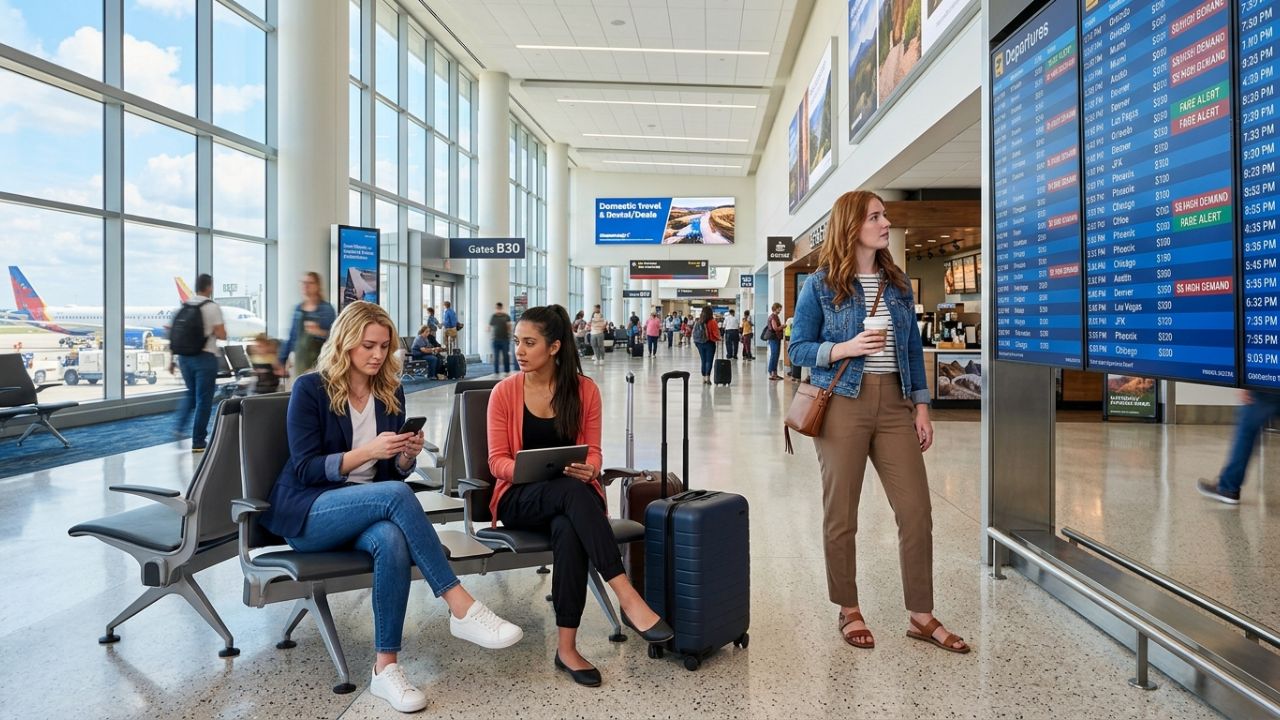
Image generated by AI
In a massive, consumer-driven rebellion against systemic travel chaos and unprecedented transit costs, the United States is currently suffering a severe economic travel crisis that is fundamentally fracturing the domestic tourism industry. Reported on June 19, 2026, exploding global gas prices and record-high airfares have placed crushing pressure on household travel budgets across major transit hubs, including Florida, Texas, California, and New York. Exhausted by the threat of continuous airport disruptions and the staggering cost of commercial aviation, over half of Americans are now actively initiating their own flight cancellations, ruthlessly cutting down long-distance international holidays in favor of localized, budget-friendly road trips. As the US Department of Transportation (DOT) and the Energy Information Administration (EIA) monitor the severe fallout from soaring jet fuel and gasoline expenses, this massive behavioral shift away from mass-market aviation is driving today's most scrutinized headline in premium airline news and essential global aviation updates.
By introducing direct passenger coordination and dynamic scheduling backups, the regional aviation hubs target growing passenger demand across vital commerce sectors. The choice to coordinate flight departures in phases helps to manage gate capacity, supporting the country's broader regional transportation network.
Context: The Economic Ejection from the Skies
For the North American aviation and tourism industries, this sudden, massive shift in consumer behavior represents a deeply concerning form of economic travel chaos.
Historically, American consumers drove massive surges in long-haul international and transcontinental domestic flights during peak summer seasons. However, the current macroeconomic reality has completely shattered that dynamic. A widely referenced consumer travel sentiment survey, highlighted through FOX reporting, delivers a brutal statistic: more than half of Americans believe rising transportation costs are forcing them to actively change or completely cancel their planned trips. This hesitation is catastrophic for legacy airlines operating at max capacity. Data from the US DOT Bureau of Transportation Statistics confirms that airline operating expenses have surged dramatically due to higher jet fuel prices, intense maintenance costs, and highly complex post-pandemic capacity adjustments. To compensate, airlines have pushed ticket prices to record highs. Simultaneously, US EIA data confirms that global crude oil fluctuations have driven up nationwide gasoline costs. Trapped in this brutal dual-pressure environment, middle-income households are aggressively abandoning commercial flights, completely reshaping the traditional US travel landscape.
To view live flight schedules, verify the active delay status of your specific domestic itinerary, or to track active regional airspace restrictions, travelers must consult official aviation directories. For direct updates regarding how this massive economic shift triggers specific route abandonments and current flight cancellations, travelers should aggressively utilize the official portals of major US airlines. To explore live flight tracking and monitor the exact severity of the cascading bottlenecks at major competitor hubs, passengers can consult the official FlightAware tracking service.
Section-Wise Breakdown: The Retreat to the Road
The Major Hub Contraction
The economic strain is highly visible across massive, traditional travel mega-hubs in New York, California, Texas, and Florida. Families who previously utilized these massive airports as launchpads for European or Caribbean vacations are aggressively rethinking their plans. The staggering cost of parking, baggage fees, and the base airfare is forcing a massive wave of preemptive flight cancellations, stripping vital passenger volume from international terminals.
The Rise of Regional Road Tourism
As long-haul travel costs surge, Americans are executing a massive shift toward shorter domestic road trips. States with highly accessible regional corridors—specifically Florida, Arizona, Nevada, and Georgia—are gaining immense popularity. Because driving offers ultimate flexibility and insulates families from the anxiety of severe airport disruptions, tourism analysts note a massive rise in demand for national parks, coastal drives, and suburban getaway locations. Travelers are deliberately bypassing major metropolitan centers to avoid premium hotel pricing.
The Industry Response: Desperate Discounts
Airlines and hospitality providers are scrambling to stop the massive bleeding of middle-income passengers. Operators are responding with aggressive dynamic pricing models, enhanced loyalty incentives, and targeted seasonal fare promotions. Recognizing that travelers are aggressively comparing prices and delaying bookings, travel companies are increasingly focusing on highly flexible cancellation policies and bundled travel services, desperately attempting to retain highly price-sensitive customers.
Technical Roster: US Economic Travel Crisis Data
To ensure absolute factual accuracy regarding the exact parameters of this massive macroeconomic shift and the specific metrics driving the surge in passenger-initiated flight cancellations, the following matrix details the verified economic and behavioral data:
US Travel Economic Impact Matrix
| Travel Sector Metric | Verified Current Economic Trend |
|---|---|
| Consumer Sentiment | Over 50% of Americans are actively altering or canceling trips (FOX reporting) |
| Primary Hubs Impacted | Massive demand shifts observed across Florida, Texas, California, and New York |
| Aviation Cost Drivers | Surging jet fuel prices, maintenance, and capacity adjustments (DOT BTS data) |
| Road Travel Shifts | Rising national gasoline costs (EIA data) triggering localized regional road trips |
| Regional Growth Zones | High intra-state demand surging across Florida, Arizona, Nevada, and Georgia |
| Industry Adaptations | Deployment of dynamic pricing, flexible cancellation policies, and bundled services |
Passenger Impact: The Brutal Reality of the Budget
For the millions of middle-income American families attempting to secure a summer holiday, the current economic landscape guarantees a highly stressful, heavily compromised travel experience.
The immediate passenger impact of this structural travel chaos is the death of the spontaneous vacation. Rising inflationary pressures across housing and food are directly destroying discretionary travel budgets. Passengers can no longer afford to simply book a flight to a major hub and absorb the incidental costs of travel. Instead, travelers are forced into aggressive, exhaustive price comparisons, deliberately delaying bookings until the absolute last minute in hopes of securing a desperate airline discount. If the numbers do not align, they execute their own flight cancellations and retreat to the family car. While a road trip through Georgia or Arizona provides a cheaper alternative, it forces families to accept shorter, localized vacations rather than the expansive international experiences they originally desired. Cost efficiency has definitively replaced destination choice as the absolute primary driver of modern American tourism.
Industry Analysis: A Fragile Cost-Driven Era
Aviation and tourism industry analysts view this massive consumer pullback as a severe warning sign that the US travel sector has finally hit a highly dangerous affordability ceiling.
Analysts note that while the US travel sector—one of the largest contributors to the national GDP—successfully recovered from previous systemic shocks, these new cost-related barriers represent a completely different type of crisis. Industry experts emphasize that legacy airlines cannot simply lower fares without risking bankruptcy, given the severe operational costs documented by the DOT. Consequently, the aviation market is rapidly fracturing. Budget airlines and heavily discounted hotel chains are gaining massive traction as they absorb the displaced, cost-sensitive consumers, while premium carriers are forced to rely entirely on luxury travelers and corporate accounts. Transport authorities continue to monitor these volatile pricing trends, but analysts warn that until global fuel markets stabilize, the US aviation industry will remain trapped in a brutal cycle of suppressing demand to cover escalating operational expenses.
Actionable Advice for Navigating the Cost Crisis
While standard passengers cannot control global crude oil prices or airline maintenance fees, you can execute this strategic financial survival checklist to actively bypass the economic travel chaos:
- Leverage the Off-Peak Window: Because millions of families are delaying bookings, airlines are desperate to fill seats during non-holiday weeks. Shift your travel dates to off-peak periods (mid-week departures in late September or October) to secure massive dynamic pricing discounts that bypass the extreme summer fare surges.
- Audit Bundled Services Scrupulously: When airlines offer "budget-friendly packages," mathematically verify the value. Often, budget airlines will offer a low base fare but deploy predatory baggage and seat-selection fees. Only purchase fully bundled tickets if the total cost mathematically undercuts the legacy carrier's standard economy fare.
- Target Regional Growth Zones: Instead of flying into high-cost mega-hubs in New York or California, drive to emerging regional tourism zones in Nevada, Arizona, or Georgia. These secondary markets offer significantly lower accommodation costs and allow you to entirely bypass the threat of severe, rolling airport disruptions.
- Demand Flexible Booking Policies: Never book a non-refundable fare in the current economic climate. Ensure your airline or hotel offers a penalty-free cancellation policy, allowing you to instantly cancel and rebook your itinerary if a sudden drop in global jet fuel prices triggers a massive flash sale.
FAQ: The US Economic Travel Crisis
Why are Americans canceling their holiday trips?
Over half of Americans are altering or canceling their planned trips due to a severe economic travel crisis driven by exploding global gas prices and record-high airline operating costs.
Which travel segments are growing as a result of this crisis?
As consumers execute flight cancellations, there is a massive surge in shorter, budget-friendly regional road trips, particularly focusing on national parks and coastal drives across Florida, Arizona, Nevada, and Georgia.
How is the aviation industry responding to this massive drop in demand?
Airlines and hospitality providers are aggressively deploying dynamic pricing models, seasonal fare promotions, flexible cancellation policies, and bundled services to desperately retain highly price-sensitive travelers.
The Reality of Cost-Driven Transit
The massive, consumer-driven pullback documented across the United States proves definitively that the modern travel industry is entirely beholden to brutal macroeconomic realities. By actively executing flight cancellations and retreating to regional road trips, American families are successfully insulating themselves from the crushing financial burden of commercial aviation. Yet, as airlines desperately deploy dynamic pricing to survive escalating fuel costs and operational strain, travelers must accept a critical new reality: exploring the country is no longer an accessible, mass-market guarantee. Surviving this new cost-driven era requires aggressive financial planning, ruthless price comparisons, and a constant willingness to abandon the skies for the highway to escape the relentless economic travel chaos.
Key Takeaways
- Massive Consumer Pullback: Over 50% of Americans are actively changing or canceling planned holidays due to the crushing financial weight of rising transportation costs.
- Record Aviation Expenses: Airline ticket prices have surged due to massive increases in jet fuel costs, maintenance, and post-pandemic capacity adjustments tracked by the DOT.
- The Regional Road Trip Boom: Consumers are actively bypassing commercial aviation, opting instead for highly flexible, regional road trips across states like Florida, Arizona, Nevada, and Georgia.
- Major Hub Contraction: Traditional travel mega-hubs in New York, California, Texas, and Florida are feeling the massive economic strain as families cut long-distance international holidays.
- Aggressive Industry Adaptations: To stop the bleeding, airlines and hotels are desperately deploying dynamic pricing, seasonal promotions, and flexible cancellation policies.
Related Travel Guides
Massive Travel Chaos Paralyzes Chicago O'Hare with 1,425 Disruptions
Disclaimer
This article is for informational and educational purposes only. It does not constitute legal, financial, or professional advice. While we strive to provide accurate and up-to-date information, travel policies, regulations, and conditions change rapidly. Always verify information with official sources before making travel decisions. Nomad Lawyer makes no representations about the accuracy, reliability, completeness, or suitability of the information provided. Readers should consult qualified professionals for advice specific to their circumstances. The views expressed in this article are those of the author and do not necessarily reflect the views of Nomad Lawyer.
Kunal K Choudhary
Co-Founder & Contributor
A passionate traveller and tech enthusiast. Kunal contributes to the vision and growth of Nomad Lawyer, bringing fresh perspectives and driving the community forward.
Learn more about our team →