
🌍 Your Global Travel News Source
AboutContactPrivacy Policy
Nomad Lawyer
travel news

US Customs and Border Protection Detains H-1B Visa Holder Over Mistaken Identity at Detroit-Windsor Border 2026

A traveler holding a valid H-1B visa was wrongfully handcuffed and detained by CBP at the Detroit-Windsor border due to a name mismatch, highlighting systemic identity errors.

Preeti Gunjan
By Preeti Gunjan
4 min read
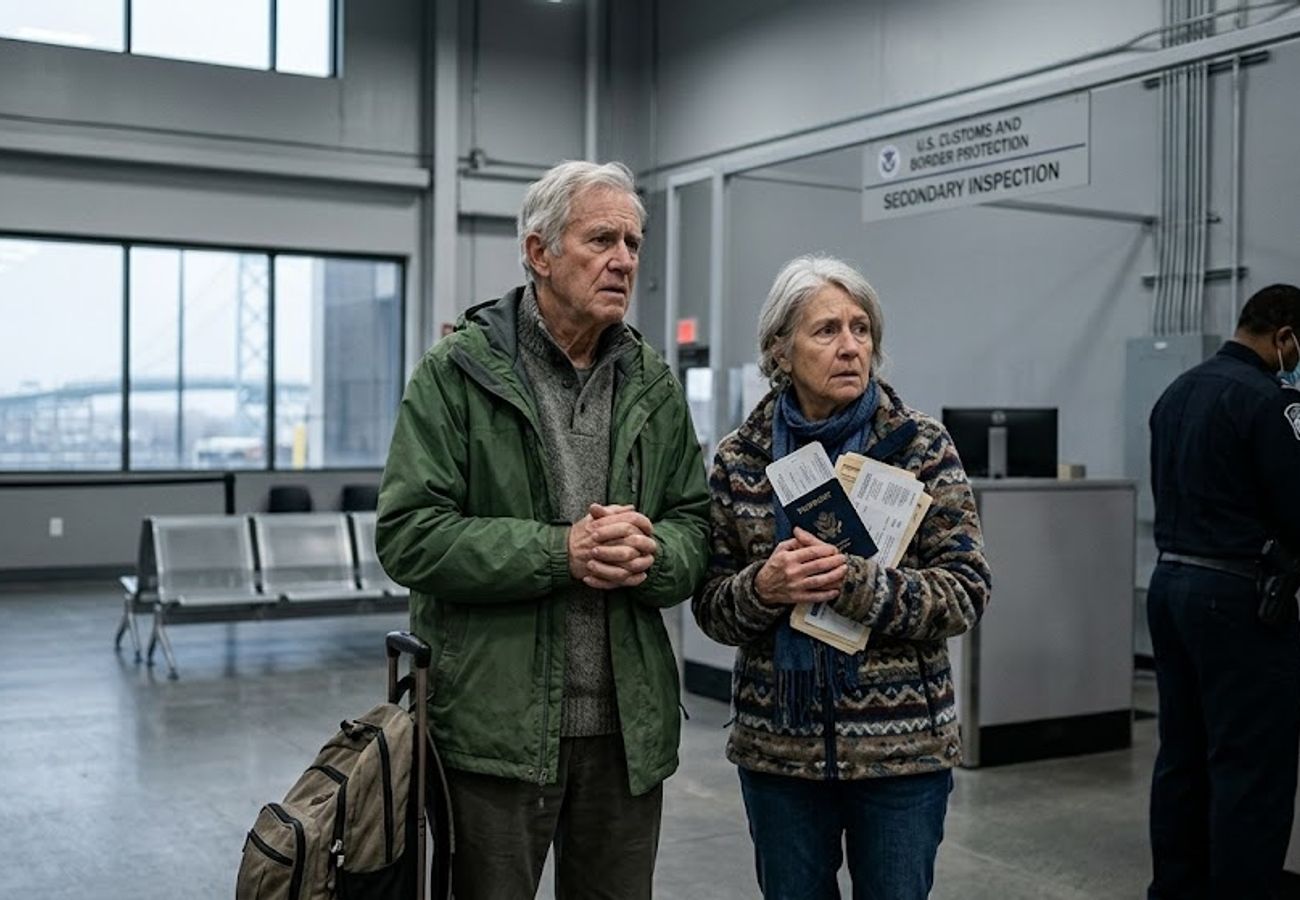
CBP checkpoint at the Detroit-Windsor tunnel border crossing

Image generated by AI

Headline Options:

  1. Factual/News: U.S. Customs and Border Protection Detains H-1B Visa Holder Following Mistaken Identity Incident at Detroit-Windsor Border Crossing
  2. Curiosity-Gap (Discover): Handcuffed and Detained: The Shocking 30-Minute Border Meltdown Facing a Legal Resident Returning to Michigan
  3. Problem-Solving (Search): What to Do if You Are Wrongfully Detained by CBP: Navigating Name Mismatches and DHS TRIP Applications

Wrongfully detained and handcuffed despite holding valid documentation, a traveler’s experience at the Michigan-Canada border underscores a recurring failure in CBP identity verification.

The Disruption Details

A traveler returning to Michigan from Canada on Sunday, July 27, 2026, was subjected to a high-stress detention by U.S. Customs and Border Protection (CBP) at the Detroit-Windsor border. Despite presenting a passport with a valid H-1B visa stamp (expiring in over one month), the individual was ordered out of their vehicle and immediately handcuffed.

The incident escalated rapidly from routine questioning to a full security intervention. The traveler was escorted to a detention room, frisked, and fingerprinted. The detention lasted approximately 30 minutes before officers realized a "mismatch" had occurred—the traveler was being confused with another individual sharing a similar name.

Border Impact and Incident Breakdown

Our analysis of the reported incident and historical data from the Detroit-Windsor corridor reveals a pattern of aggressive enforcement regarding "name matches."

  • Location: Detroit-Windsor Tunnel / Ambassador Bridge checkpoints.
  • Duration of Detention: 30 minutes for the recent H-1B holder; several hours for previous cases.
  • Enforcement Actions: Immediate removal from vehicle, handcuffing, full-body frisks, and biometric fingerprinting.
  • Causation: Name mismatch within the CBP database, often triggering alerts for individuals with criminal records or those on "most wanted" lists.
  • Precedent: In December 2025, Canadian musician Greg Williams was similarly surrounded by 15 CBP agents and detained for hours due to a shared name with a criminal.

Passenger Rights & Advisory (Information Gain)

For the affected traveler, a name mismatch is not merely a clerical error but a significant legal and psychological disruption. If you find yourself in a "mismatch" scenario at a U.S. port of entry, our analysis of Department of Homeland Security (DHS) policies suggests the following actions:

Immediate Rights During Detention While CBP has broad authority at the border, passengers should remain calm and clearly state their legal status. For H-1B visa holders, ensuring the officer sees the valid stamp is priority. If you believe you are being detained erroneously, you have the right to ask for a supervisor or a "port director."

The DHS TRIP Solution For travelers who experience repeated delays, secondary inspections, or mistaken identity issues, the most effective remedy is the DHS Traveler Redress Inquiry Program (DHS TRIP).

  • What it does: DHS TRIP allows travelers to apply for a review of their records to resolve persistent problems.
  • The Result: If successful, you are issued a Redress Number. You enter this number during flight or travel bookings, which signals to the CBP system that you have already been vetted and are not the individual on the "watch list."
  • Our Recommendation: Do not wait for a second incident. If you have been handcuffed or detained due to a name mismatch once, file a TRIP application immediately to prevent future "flagging."

Industry Analyst View

This incident highlights a systemic reliance on "exact match" algorithms within CBP's screening software, which frequently fails to account for common names across diverse populations. The transition from a routine check to handcuffs within sixty seconds indicates a low threshold for escalation at the Detroit-Windsor crossing.

From an aviation and border security perspective, the lack of a formal response from CBP regarding these specific incidents suggests a reluctance to acknowledge the psychological impact of "wrongful" detention on legal residents and visa holders. The recurrence of these events, particularly involving H-1B professionals and Canadian citizens, points to a need for better biometric integration before physical restraint is employed.

The border remains a zone of high authority where the burden of proof often falls on the traveler.

Related Travel Guides

Disclaimer

This article is for informational and educational purposes only. It does not constitute legal, financial, or professional advice. While we strive to provide accurate and up-to-date information, travel policies, regulations, and conditions change rapidly. Always verify information with official sources before making travel decisions. Nomad Lawyer makes no representations about the accuracy, reliability, completeness, or suitability of the information provided. Readers should consult qualified professionals for advice specific to their circumstances. The views expressed in this article are those of the author and do not necessarily reflect the views of Nomad Lawyer.

Tags:CBP detentionDetroit-Windsor borderH-1B visa rightstravel 2026border crossing
Preeti Gunjan

Preeti Gunjan

Contributor & Community Manager

A passionate traveller and community builder. Preeti helps grow the Nomad Lawyer community, fostering engagement and bringing the reader experience to life.

Follow:
Learn more about our team →