
U.S. Customs and Border Protection CBP and Canada CBSA Show Divergent Treatment of Frequent Cross-Border Travelers in 2026
Conflicting experiences at Toronto Pearson International Airport highlight the unpredictable nature of U.S. Customs and Border Protection (CBP) and Canada Border Services Agency (CBSA) screenings for frequent visitors.

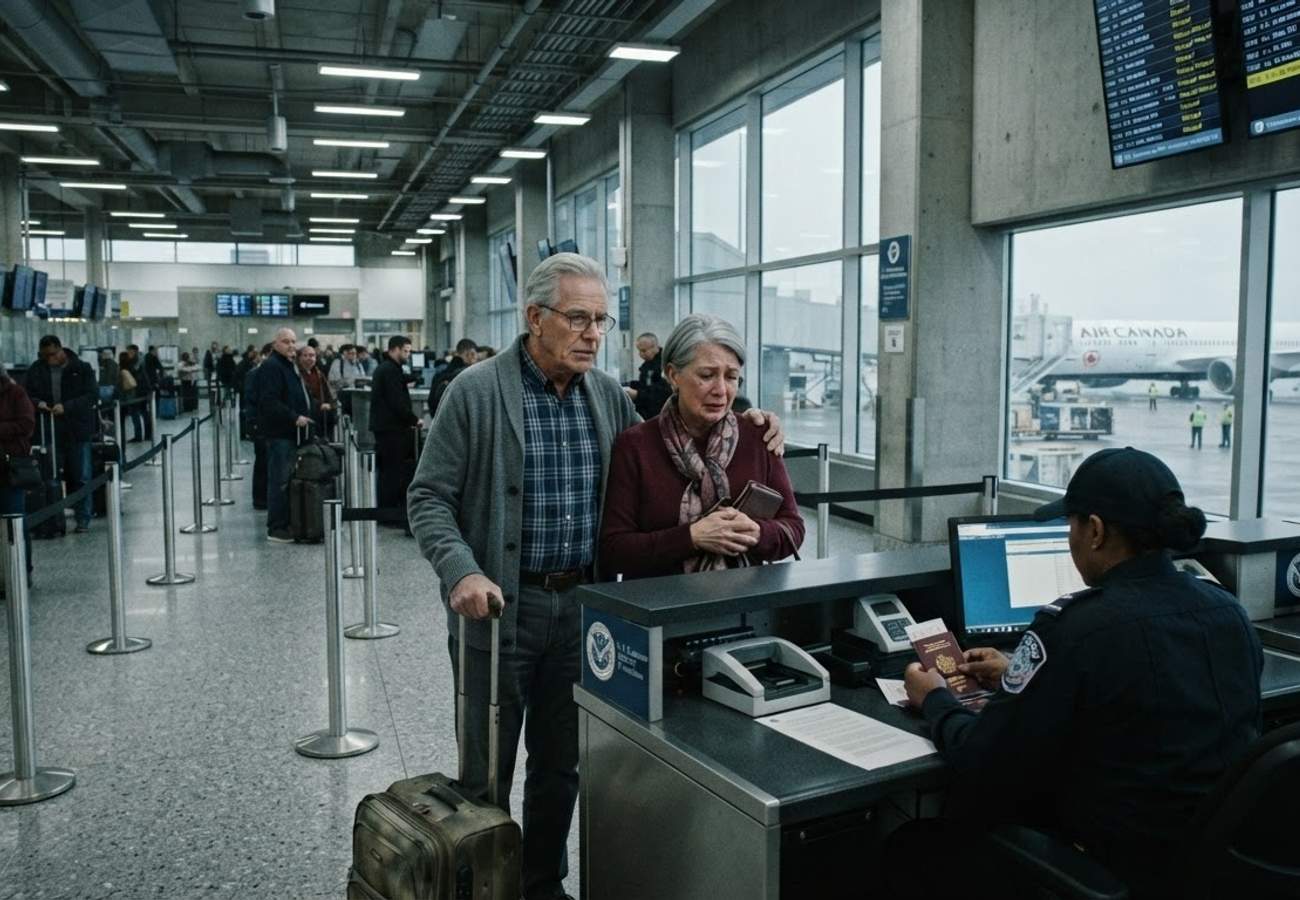
Image generated by AI
[Toronto, July 16, 2026] — Recent reports from Toronto Pearson International Airport have highlighted a stark contrast in how U.S. Customs and Border Protection (CBP) and the Canada Border Services Agency (CBSA) handle frequent cross-border travelers. While one Canadian citizen reported a distressing encounter involving personal attacks by U.S. officials, a U.S. citizen visiting Canada experienced a seamless entry despite similar travel patterns.
The disparity in these experiences underscores the subjective nature of border security screenings, where the temperament of the individual officer often dictates the outcome of the interaction. These incidents have sparked widespread discussion among international travelers regarding the consistency of enforcement and the psychological toll of aggressive interrogation techniques.
Emotional Distress Reported During CBP Preclearance in Toronto
A Canadian traveler attempting to visit her partner in New York City reported a harrowing experience at the U.S. Preclearance station within Toronto Pearson International Airport. The traveler, who visits New York every few months, had previously traveled on February 5, March 13, and May 16. During her most recent crossing on May 29, a CBP officer questioned the frequency of her visits, marking it as the fourth trip within a four-month window.
According to the traveler, the officer was "extremely rude, mean, and unprofessional," employing an aggressive and accusatory tone. The interaction escalated beyond standard security questioning when the officer began making personal remarks, asking the traveler if she lacked hobbies or friends. The officer further suggested that the traveler's boyfriend was likely "sick of her" due to the repetitive nature of the visits.
The traveler stated that these hurtful comments were repeated multiple times. When the traveler attempted to clarify that two weeks had passed since her last visit, the officer allegedly responded, "Don't play with me, I can take your visa right now." Although the traveler was eventually permitted to proceed to her flight, she reported being left in tears and spent approximately 10 minutes recovering emotionally before boarding.
CBSA Grants Seamless Entry to U.S. Visitor Despite Extended Stay
In a contrasting scenario at the same airport, a traveler from the United States reported a remarkably lenient experience with the Canada Border Services Agency (CBSA). The U.S. visitor was traveling to Canada to see a fiancé for an extended period, a situation that typically triggers high scrutiny regarding "intent to reside" or overstaying.
The traveler admitted to being "incredibly nervous" and had meticulously prepared a comprehensive "binder" of documentation to justify the visit. This documentation included:
- A formal letter of invitation from the partner in Canada
- An employment verification letter
- Academic records/school letters
- Personal bank statements
The visitor intended to stay for 174 days. Having already spent four days in Canada during the previous month, the traveler was nearing the 180-day annual limit. Despite carrying two duffle bags and a checked suitcase, the traveler reported that the CBSA officer did not request a single document from the binder. After a brief inquiry regarding the length of the stay, the traveler was admitted without further questioning about their ties to the U.S. or their intent to return.
Diverse Passenger Experiences with Border Enforcement
Industry observers and fellow travelers have reacted to these events, noting that the outcome of a border crossing often depends on the specific officer on duty. On social media platforms like Reddit, some users suggested that the U.S. traveler's success with the CBSA was likely due to their outward confidence, which may have been bolstered by being over-prepared.
Other travelers have shared varying accounts of their encounters with border officials:
- Procedural Friction: One traveler reported a confrontation where an officer became upset over the handling of paperwork. The traveler was managing children and multiple passports, and the officer reacted negatively when a green card was handed over by a spouse rather than the cardholder themselves.
- Secondary Inspections: A Canadian citizen who frequently visits an American spouse reported being sent to secondary inspection once. Despite initial anxiety, the traveler noted that answering all questions honestly led to a resolution within 30 minutes and no subsequent issues.
- Random Harassment: A U.S. citizen formerly residing in Buffalo reported occasional harassment when returning from Canada, including one instance where they were "grilled" specifically for visiting Toronto to watch the movie Star Wars: The Force Awakens.
Why This Matters: The Psychology of Border Discretion
The juxtaposition of these two cases reveals a critical gap in the standardization of border interviews. While the CBSA officer in the second case prioritized the traveler's truthful, simple answers, the CBP officer in the first case utilized "pressure tactics" that crossed the line from security screening into personal harassment.
From an aviation and travel perspective, this indicates that "frequent flyer" status or a history of compliant travel does not guarantee a pleasant experience. The threat of visa revocation—as mentioned by the CBP officer—is a powerful tool of intimidation that can cause significant psychological distress to legal travelers.
For the broader travel industry, these incidents emphasize that preparation is a double-edged sword. While the U.S. visitor found that their preparation reduced their own anxiety and projected confidence, the Canadian traveler found that no amount of legitimacy could shield them from an officer's personal bias. This suggests that the "human element" remains the most unpredictable variable in international transit, regardless of the documentation provided.
Travelers are encouraged to remain calm, honest, and concise, though the unpredictability of officer discretion remains a persistent challenge for frequent cross-border commuters.
Related Travel Guides
Disclaimer
This article is for informational and educational purposes only. It does not constitute legal, financial, or professional advice. While we strive to provide accurate and up-to-date information, travel policies, regulations, and conditions change rapidly. Always verify information with official sources before making travel decisions. Nomad Lawyer makes no representations about the accuracy, reliability, completeness, or suitability of the information provided. Readers should consult qualified professionals for advice specific to their circumstances. The views expressed in this article are those of the author and do not necessarily reflect the views of Nomad Lawyer.
Kunal K Choudhary
Co-Founder & Contributor
A passionate traveller and tech enthusiast. Kunal contributes to the vision and growth of Nomad Lawyer, bringing fresh perspectives and driving the community forward.
Learn more about our team →