
Las Vegas San Diego and Orlando Named World's Smoothest Cities for Travel 2026 Despite Canadian Tourism Boycott
Las Vegas, San Diego, and Orlando lead the 2026 Smoothest Cities for Travel index, coinciding with a significant decline in Canadian tourist arrivals.

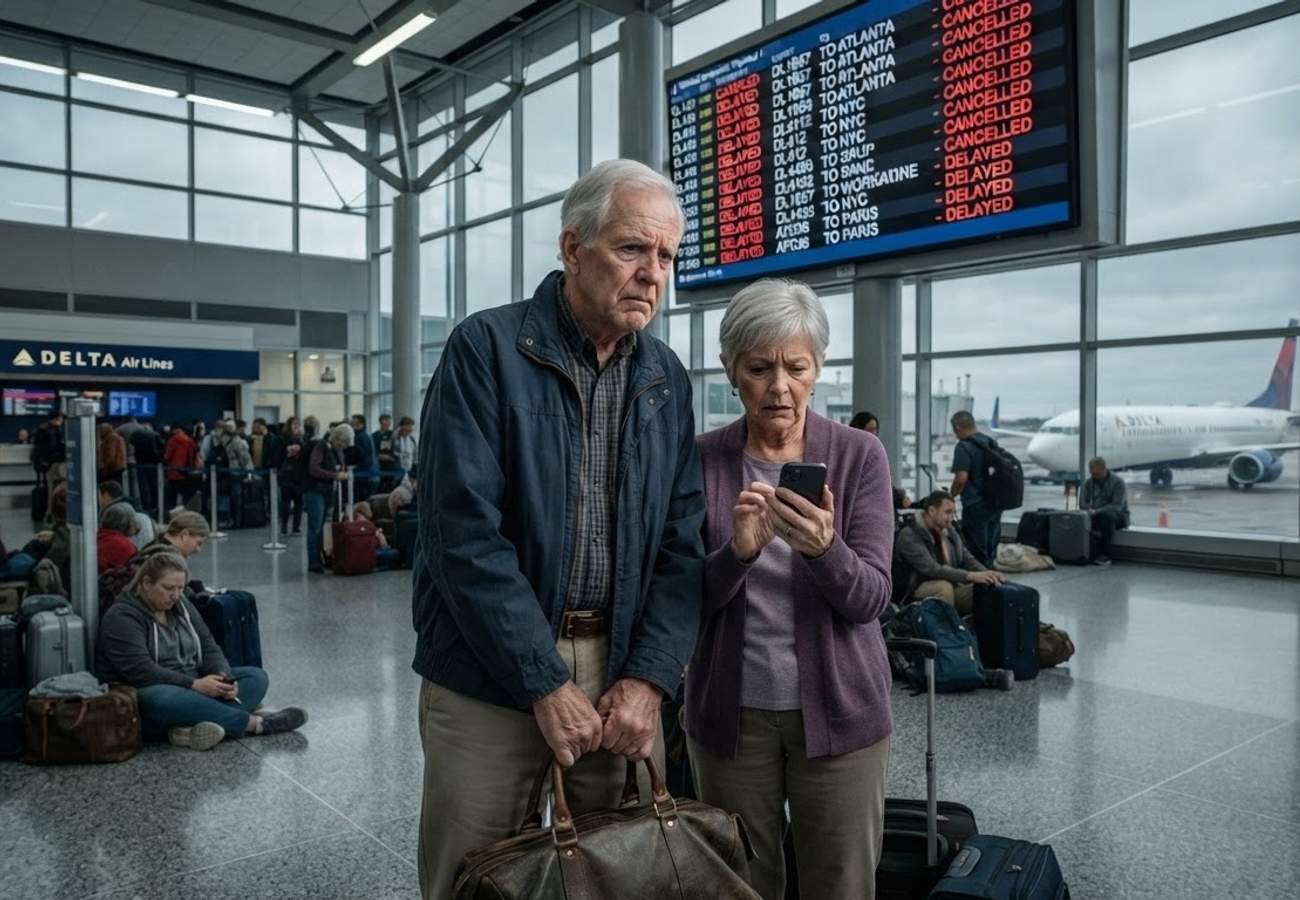
Image generated by AI
Three major U.S. tourism hubs—Las Vegas, San Diego, and Orlando—have been ranked as the world's "smoothest" cities for travel in 2026, a paradox occurring as these destinations face a severe decline in Canadian visitors.
New data from a Premier Inn study indicates a shift in the traveler experience within the United States. The research identifies Las Vegas, San Diego, and Orlando as the most hassle-free destinations globally, based on a "Smooth City" score that aggregates airport delays, internet connectivity, weather reliability, and traffic congestion. This ranking is particularly notable for Las Vegas, which was previously labeled the world's most stressful city to visit in 2025 due to extreme overcrowding.
The improved transit and navigation experience in these cities is directly linked to a significant drop in international arrivals, specifically from Canada. Data from the University of Toronto's School of Cities reveals that annual visits to these three hubs plummeted by more than 50% between the period of April 1, 2024, to March 31, 2025, and April 1, 2025, to March 31, 2026.
Global Smooth City Rankings 2026
The following table outlines the top 10 smoothest cities for travel based on the Premier Inn index.
| Rank | City | Smooth City Score |
|---|---|---|
| 1 | Las Vegas, U.S. | 95 |
| 2 | San Diego, U.S. | 94.8 |
| 3 | Orlando, U.S. | 93.8 |
| 4 | Oslo, Norway | 86.3 |
| 5 | Leeds, U.K. | 84.1 |
| 6 | Liverpool, U.K. | 81.8 |
| 7 | New York, U.S. | 79.8 |
| 8 | New Orleans, U.S. | 79.6 |
| 9 | Seattle, U.S. | 79.4 |
| 10 | Geneva, Switzerland | 78.5 |
Analysis of Transit and Infrastructure Metrics
The high scores attributed to the top three U.S. cities are the result of specific infrastructure and environmental performance:
- Las Vegas: Achieved a 95/100 score, supported by a high average internet speed of 306.96 Mbps, a congestion level of 34.1%, and a stable climate with only 23 extreme weather days per year.
- San Diego: Ranked second with an average arrival disruption index of 1.2 for airport delays and a low frequency of extreme weather (31 days per year).
- Orlando: Secured third place and was the only city in the top 50 to achieve a perfect traffic congestion score, a metric heavily influenced by the reduction in visitor volume.
Impact of the Canadian Tourism Boycott
The "smoothness" of these cities is a byproduct of a sharp decline in Canadian cross-border activity. According to the University of Toronto's School of Cities, the percentage decline in Canadian visits is as follows:
- Myrtle Beach, SC: -65.6% (Worst hit)
- Orlando, FL: -58.3%
- Las Vegas, NV: -55.6%
- San Diego, CA: -53%
The economic impact is substantial. The Las Vegas Convention and Visitors Authority (LVCVA) noted a 17.4% decline in Canadian visits in 2025. This follows a period where Canadians contributed $3.6 billion to the local economy. In response, the LVCVA launched a $3.5 million campaign in March to incentivize the return of Canadian travelers.
Despite a 9.5% increase in return trips from the U.S. in May 2026 compared to May 2025, overall numbers remain well below 2024 levels. Statistics Canada reports a 28.7% decrease in car crossings and a 28.4% decrease in air travel.
Traveler Logistics Guide: Navigating U.S. Transit in 2026
For travelers utilizing these "smooth" hubs, the current low-congestion environment provides a strategic window for efficient transit.
Optimal Booking and Connection Strategies
- Airport Transit: With San Diego reporting a low arrival disruption index (1.2), travelers can reduce layover buffers to the standard 2-3 hours without significant risk of missing connections.
- Orlando Logistics: Given the perfect congestion score, ride-share and rental car transit between Orlando International Airport (MCO) and theme park districts are currently operating at peak efficiency.
- Digital Infrastructure: With Las Vegas offering speeds of 306.96 Mbps, digital nomads should prioritize high-bandwidth activities and remote work setups in the downtown corridor.
Border and Customs Advice Travelers crossing from Canada should be aware that increased border scrutiny and geopolitical tensions remain primary deterrents. It is recommended to:
- Ensure all travel documents are updated and digitally stored.
- Monitor official U.S. Customs and Border Protection (CBP) updates regarding entry requirements.
- Utilize automated kiosks where available to bypass manual processing queues.
Infrastructure Impact Assessment
The current trend suggests a decoupling of tourism growth and transit efficiency. While the reduction in Canadian visitors has "smoothed" the transit experience for remaining tourists, it has created an economic void that U.S. cities are attempting to fill via aggressive marketing and the anticipation of World Cup tourism. The shift in Canadian preference toward Mexico—despite higher official travel advisories—indicates that perceived safety and political climate now outweigh logistical ease in destination selection.
The intersection of geopolitical tension and transit efficiency has created a rare, low-friction environment for travelers in traditionally congested U.S. hubs.
Related Travel Guides
Disclaimer
This article is for informational and educational purposes only. It does not constitute legal, financial, or professional advice. While we strive to provide accurate and up-to-date information, travel policies, regulations, and conditions change rapidly. Always verify information with official sources before making travel decisions. Nomad Lawyer makes no representations about the accuracy, reliability, completeness, or suitability of the information provided. Readers should consult qualified professionals for advice specific to their circumstances. The views expressed in this article are those of the author and do not necessarily reflect the views of Nomad Lawyer.
Raushan Kumar
Founder & Lead Developer
Full-stack developer with 11+ years of experience and a passionate traveller. Raushan built Nomad Lawyer from the ground up with a vision to create the best travel and law experience on the web.
Learn more about our team →