
US Border Tourism at Risk as Montana, California, and New York Face Canadian Visitor Decline Amid 2026 Tariff Battle
Tourism hubs across the US, including Montana and California, face severe economic risks as ongoing tariff disputes with Canada trigger a decline in international visitor spending.

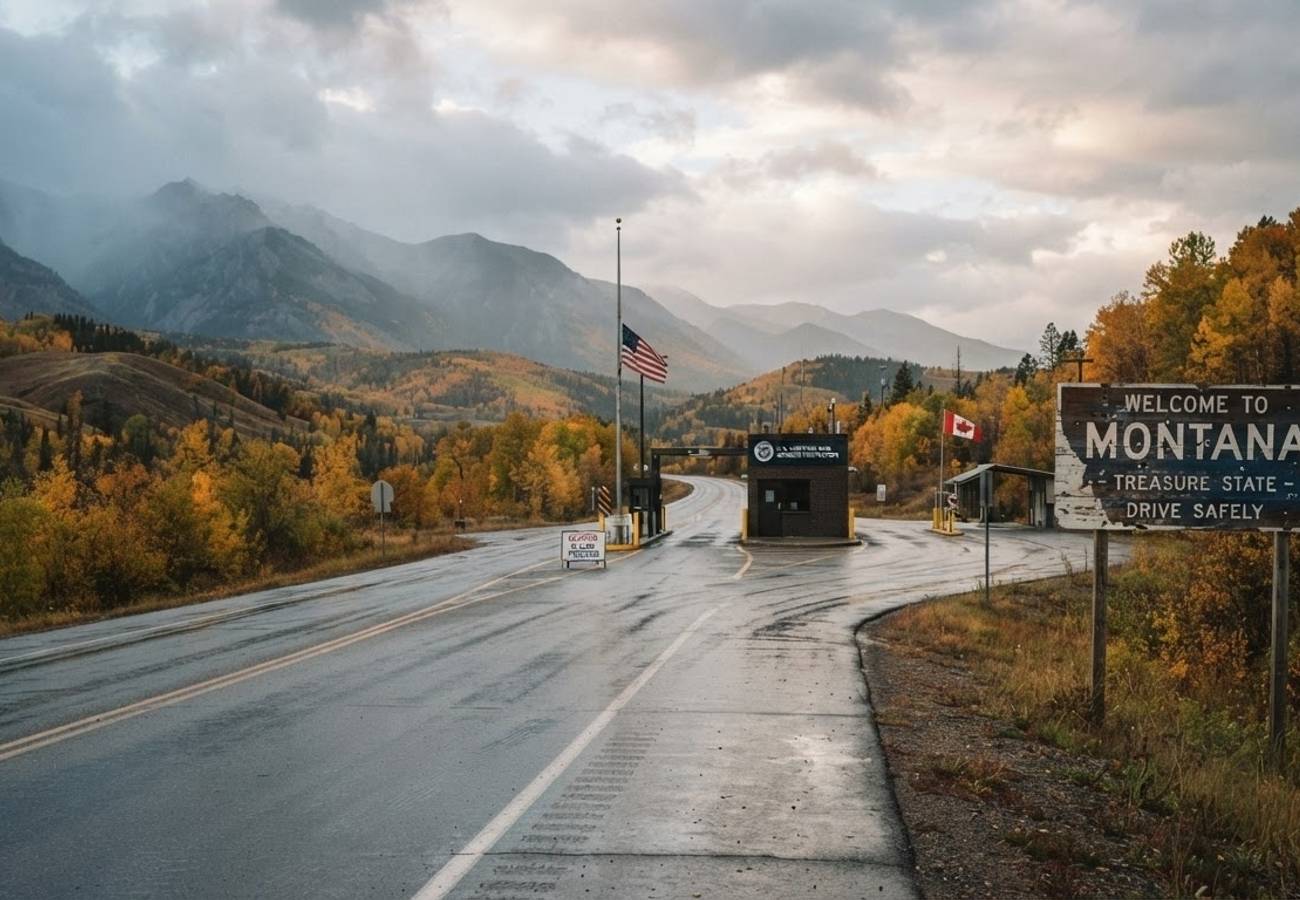
Image generated by AI
Economic instability is gripping American hospitality hubs as a prolonged tariff dispute between the United States and Canada drives millions of international travelers to reconsider their southern trips. From the wilderness of Montana to the luxury resorts of California, tourism-dependent states are reporting increased vulnerability as Canadian visitors shift their spending toward domestic options or alternative global destinations.
The relationship between the two nations has historically been a cornerstone of North American travel, with Canadians serving as one of the most lucrative international markets for the US. These travelers typically fuel high-revenue sectors including luxury retail, outdoor adventure, and seasonal hospitality. However, current political friction and the imposition of tariffs have shifted traveler sentiment, creating a ripple effect that extends far beyond the immediate border crossings.
Montana Wilderness Destinations Face Revenue Shortfalls
Montana is currently one of the most exposed states due to its deep reliance on Canadian road-trippers who frequent the region for nature-based tourism. The state's economy is heavily intertwined with visitors seeking specific high-value experiences, including:
- Explorations of Glacier National Park
- High-altitude mountain adventures
- Specialized wildlife tourism
- Professional fishing and camping excursions
- Long-distance scenic road journeys
Because a vast majority of these visitors cross the border by vehicle, the economic impact is felt most acutely in border communities. Local hotels, fueling stations, equipment rental shops, and guided tour operators are seeing a decline in the steady stream of Canadian capital.
Industry reports indicate that specific hubs—including the Flathead Valley, Whitefish, Missoula, and the gateway communities surrounding Yellowstone—are at high risk. The loss is not merely in total visitor volume but in the "high-value" segment; Canadian travelers typically engage in multi-day stays in rural areas, providing a critical lifeline to small-town economies that operate on thin seasonal margins.
California Tourism Hubs Struggle With International Decline
While California does not share a physical border with Canada, it remains a primary destination for Canadian air travel and luxury spending. The decline in arrivals threatens the recovery of major metropolitan hubs that rely on international spending to maintain occupancy rates.
Canadian visitors are traditional drivers of revenue for:
- Anaheim's theme parks and Disneyland
- The entertainment districts of Los Angeles
- San Francisco's cultural attractions
- Coastal retreats and luxury wine tourism
In cities like San Diego and Los Angeles, the hospitality sector is bracing for lower hotel occupancy and a dip in restaurant spending. Furthermore, there is a growing concern that Canadian travelers are redirecting their budgets toward Mexico and Europe to avoid the perceived instability of US travel. This shift threatens not only ticket sales at major attractions but also the high-end retail revenue that sustains urban commercial centers.
New York Issues Warning as Spending Plummets
New York has become a primary indicator of the broader crisis, with data showing a significant drop in Canadian tourism spending. The impact is bifurcated between the urban density of New York City and the rural allure of the border regions.
In New York City, the decline is visible in the Broadway theater district, luxury hotel chains, and high-end shopping corridors. Simultaneously, the Niagara Falls region—a destination almost entirely dependent on cross-border fluidity—is seeing a contraction in tour operator bookings and family attraction revenue.
To combat this, state officials have launched aggressive recovery campaigns. The "NY LOVES CANADA" initiative, paired with targeted hospitality incentives and discounts, represents a desperate attempt to rebuild confidence among Canadian consumers.
New England and the Great Lakes Face Geographic Exposure
Maine and Vermont are uniquely vulnerable due to their geographic proximity and the ease of road access from Quebec and Ontario.
In Maine, the risk is centered on coastal seafood tourism and Acadia National Park. Small coastal villages that rely on peak-season international arrivals are reporting a precarious outlook for their independent business owners. In Vermont, the threat is focused on the winter economy. Ski resorts in Stowe and Killington, as well as the hospitality sector in Burlington, are facing potential losses in winter bookings and seasonal employment.
Further west, Michigan and Washington are experiencing similar volatility. The Detroit–Windsor corridor, one of the busiest border crossings in the world, is seeing a dip in casino and sports venue attendance. In Washington, the tourism flow from British Columbia into Seattle and the state's national parks is slowing, impacting weekend tourism and retail spending in border towns.
Sun Belt Destinations Report Shifting Holiday Patterns
The tariff battle is even affecting non-border "snowbird" destinations where Canadians traditionally spend their winters.
Nevada: Las Vegas has historically been a top-tier choice for Canadians. Tourism officials report a noticeable decline in visitors to casino resorts and luxury entertainment shows, prompting some Vegas operators to introduce specific incentives to lure Canadians back.
Florida: The Florida economy is heavily reliant on seasonal Canadian arrivals in Miami, Orlando, and Fort Lauderdale. A reduction in long-stay rentals and cruise tourism could create a systemic shock for businesses that build their entire annual revenue model around the winter influx.
Northern Tier Uncertainty in Alaska and the Midwest
The volatility extends to the furthest reaches of the US. Alaska is monitoring a potential decline in wilderness adventures and cruise tourism. In the Midwest, Minnesota's lake-region recreation and North Dakota's border retail hubs are reporting uncertainty. Because these regions operate on strict seasonal cycles, even a minor percentage drop in Canadian arrivals can lead to significant financial deficits for local operators.
Strategic Recovery Efforts and Market Sentiment
In response to these threats, the US tourism industry is pivoting toward aggressive promotion. Efforts are focused on offering:
- Deeply discounted hotel packages
- Bundled attraction deals for international visitors
- Marketing campaigns emphasizing hospitality and accessibility
However, industry observers warn that financial incentives may not be enough. Travel decisions are increasingly driven by political sentiment and consumer confidence. If Canadian travelers perceive the US as an unwelcoming or unstable destination due to the tariff war, the economic damage to the US hospitality sector could be long-lasting.
The battle over tariffs is no longer just a matter of trade—it is now a matter of tourism survival for the American border economy.
Related Travel Guides
Disclaimer
This article is for informational and educational purposes only. It does not constitute legal, financial, or professional advice. While we strive to provide accurate and up-to-date information, travel policies, regulations, and conditions change rapidly. Always verify information with official sources before making travel decisions. Nomad Lawyer makes no representations about the accuracy, reliability, completeness, or suitability of the information provided. Readers should consult qualified professionals for advice specific to their circumstances. The views expressed in this article are those of the author and do not necessarily reflect the views of Nomad Lawyer.
Raushan Kumar
Founder & Lead Developer
Full-stack developer with 11+ years of experience and a passionate traveller. Raushan built Nomad Lawyer from the ground up with a vision to create the best travel and law experience on the web.
Learn more about our team →