
US Birthright Citizenship Debate 2026: Impact of Trump Executive Actions on International Visitors
New executive actions targeting birthright citizenship are creating uncertainty for international travelers and pregnant visitors entering the United States in 2026.

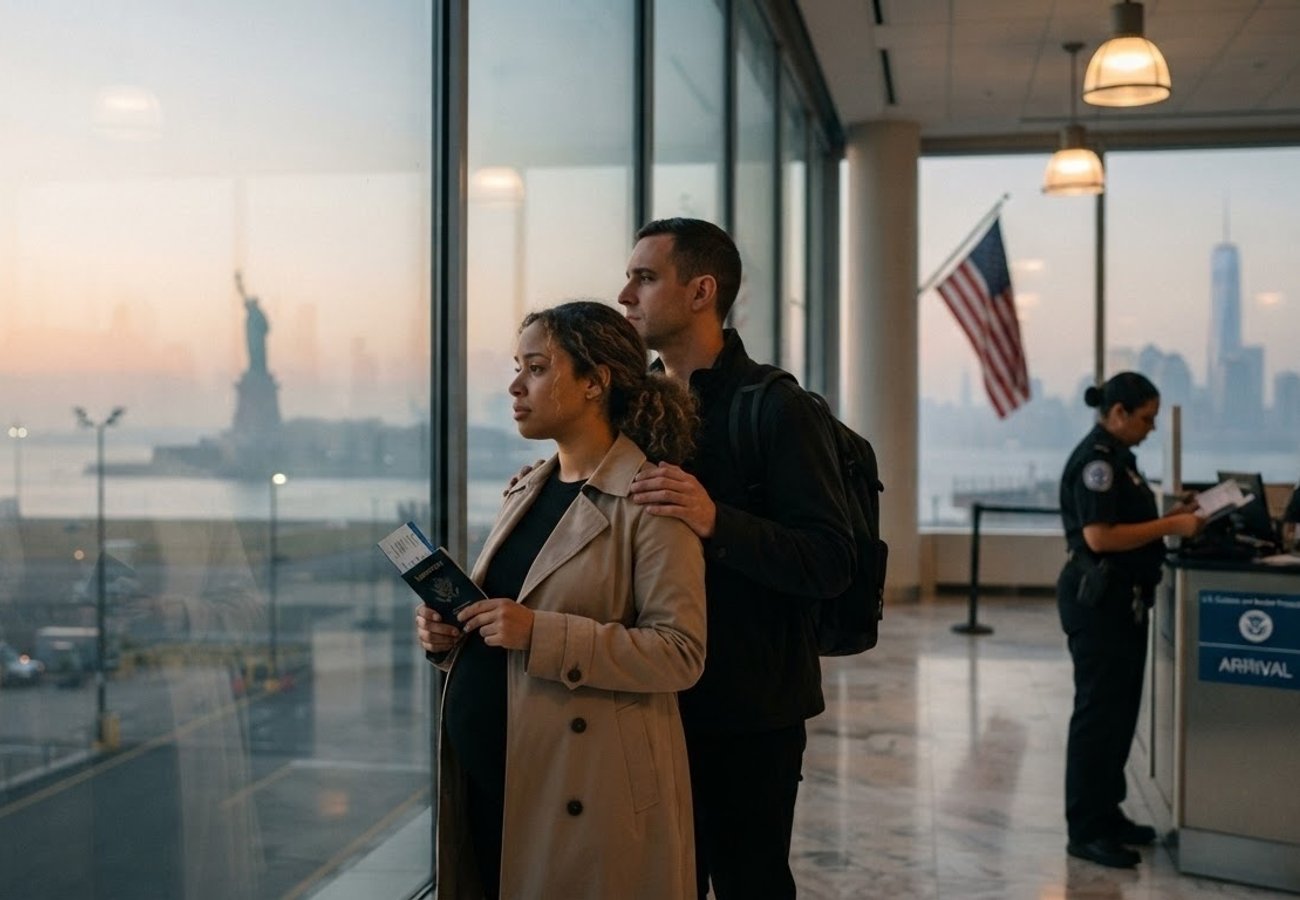
Image generated by AI
The long-standing principle of jus soli is under intense scrutiny as new executive actions spark a constitutional crisis over who qualifies for US citizenship at birth. This shift is creating immediate anxiety for international families and pregnant visitors navigating US border controls in 2026.
The United States, a global leader in tourism, is currently the center of a heated legal battle regarding birthright citizenship. Recent executive actions signed by President Donald Trump have reignited a debate that connects high-level constitutional law directly to the experience of international travelers at ports of entry.
While the 14th Amendment has historically guaranteed citizenship to nearly everyone born on US soil, the current administration is attempting to redefine these boundaries. This has left millions of prospective visitors questioning whether their visa status or pregnancy could lead to increased scrutiny or denied entry.
The Constitutional Conflict Over Jus Soli
Birthright citizenship is rooted in the Citizenship Clause of the 14th Amendment, adopted following the American Civil War. For over a century, this has been interpreted as a broad guarantee of citizenship for those born within US territory.
A landmark 1898 Supreme Court ruling, United States v. Wong Kim Ark, solidified this right, confirming that children born in the US to foreign parents are citizens. However, the Trump administration argues that the executive branch should possess the authority to limit this recognition.
The current administration's objective is to curb "birth tourism"—the practice of traveling to the US specifically to give birth so the child can acquire US citizenship.
Targeted Restrictions in Executive Actions
The 2026 executive actions specifically direct federal agencies to limit citizenship recognition for children born to parents who fall into the following categories:
- Individuals who are not US citizens.
- Individuals who are not lawful permanent residents (Green Card holders).
- Visitors present in the US temporarily under specific visa categories.
Supporters of these measures argue that they close loopholes and prevent the misuse of immigration systems. Conversely, legal opponents maintain that citizenship is a constitutional right that cannot be altered by a presidential order without a formal amendment or act of Congress.
Direct Implications for International Travelers
For the vast majority of tourists, daily travel procedures remain unchanged. However, the policy shift has introduced a layer of unpredictability for specific demographics.
Heightened Scrutiny for Pregnant Visitors
Pregnant travelers are facing the most direct impact. US Customs and Border Protection (CBP) officers have increased focus on determining whether a visitor's primary intent is tourism or birth tourism.
Because a visa is a request for entry rather than a guarantee of admission, CBP officers at airports and land borders maintain final authority. If an officer believes a traveler's stated purpose does not align with their visa category, they may face rigorous questioning or be denied entry.
Impact on Visa Processing
There is growing concern regarding whether tourist visa applications will face additional scrutiny during the interview process. Travelers are encouraged to provide precise, documented information regarding their travel intentions to avoid discrepancies that could trigger red flags.
Economic and Tourism Consequences
The US tourism economy relies on a steady flow of visitors from key markets, including India, Canada, Mexico, China, and Europe. Immigration uncertainty typically correlates with a dip in travel confidence.
When entry rules become unpredictable, families and high-net-worth travelers often delay bookings or pivot to alternative destinations. Tourism boards emphasize that clear, predictable entry procedures are essential for maintaining the US's status as a top global destination.
Navigating US Entry in 2026
To mitigate risks associated with the current legal climate, international visitors should adhere to a strict preparation protocol:
- Consult Official Channels: Rely exclusively on the US Department of State for visa information and US Customs and Border Protection for entry guidance.
- Verify Documentation: Ensure all travel documents, length-of-stay proofs, and return tickets are current and accurate.
- Seek Legal Counsel: Families with complex circumstances—specifically those traveling while pregnant—should consult immigration attorneys to understand how current executive actions may affect their specific case.
- Avoid Unverified Claims: Ignore unofficial online forums regarding "guaranteed" entry, as legal interpretations of the 14th Amendment are currently evolving in the courts.
Future Legal Outlook
The resolution of this conflict rests with the judicial system. The core legal question is whether the President can unilaterally redefine citizenship or if such a change requires a constitutional amendment.
Until the courts provide a definitive ruling, the environment for international travel to the US will remain characterized by heightened administrative discretion at the border.
The intersection of constitutional law and border policy continues to reshape the landscape of American international travel.
Related Travel Guides
Disclaimer
This article is for informational and educational purposes only. It does not constitute legal, financial, or professional advice. While we strive to provide accurate and up-to-date information, travel policies, regulations, and conditions change rapidly. Always verify information with official sources before making travel decisions. Nomad Lawyer makes no representations about the accuracy, reliability, completeness, or suitability of the information provided. Readers should consult qualified professionals for advice specific to their circumstances. The views expressed in this article are those of the author and do not necessarily reflect the views of Nomad Lawyer.
Raushan Kumar
Founder & Lead Developer
Full-stack developer with 11+ years of experience and a passionate traveller. Raushan built Nomad Lawyer from the ground up with a vision to create the best travel and law experience on the web.
Learn more about our team →