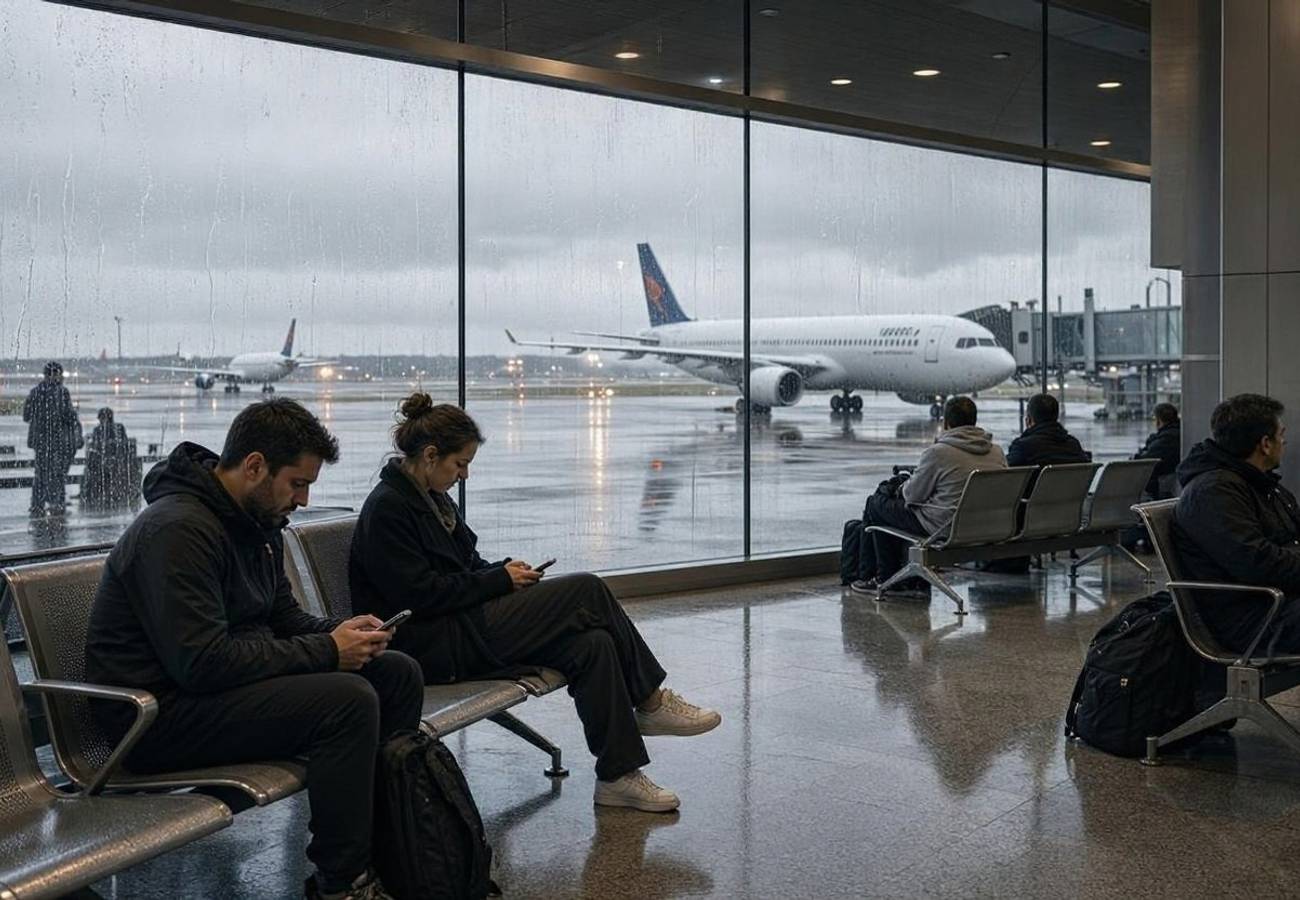
Manila Airport Disruption: 300+ Flights Impacted by 49th ASEAN Summit Security in 2026

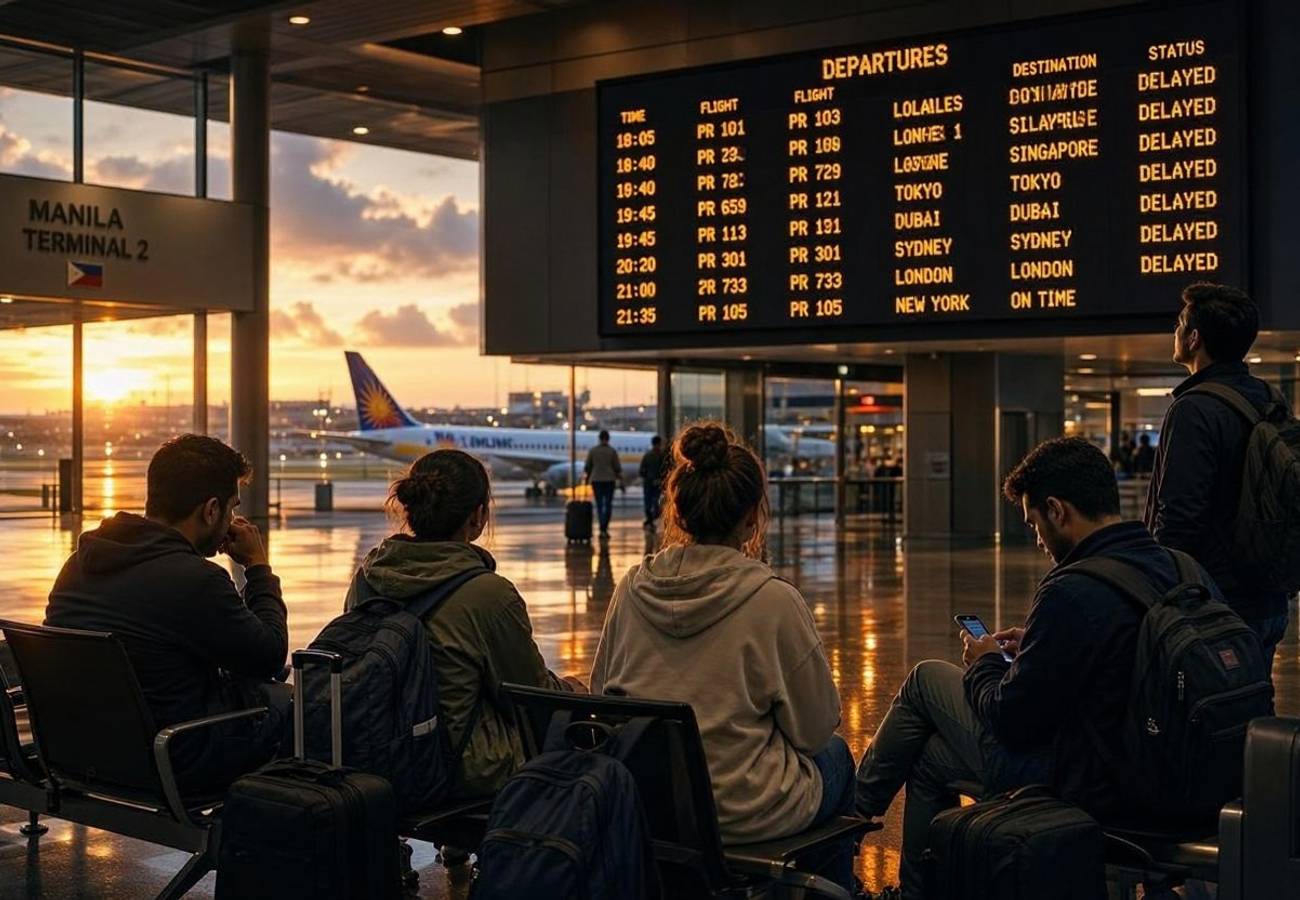
Image generated by AI
[Manila, November 16, 2026] — More than 300 domestic and international flights are facing cancellations or schedule modifications at Ninoy Aquino International Airport (NAIA) due to heightened security protocols for the 49th ASEAN Summit.
The disruptions, spanning from November 13 to November 18, are the direct result of security planning implemented by the Philippine government to facilitate the summit. While the Philippine Department of Transportation has confirmed the volume of affected flights, officials emphasize that not all scheduled services are cancelled, and the disruptions are localized to the Metro Manila area.
Security Measures Triggering Flight Chaos
The immediate cause of the aviation instability is the hosting of the 49th ASEAN Summit from November 16 to 18, 2026. To ensure the safety of visiting heads of state, the Philippine government has established strict security zones and traffic management plans across the capital.
These measures include the creation of reserved lanes for official diplomatic convoys and the implementation of temporary traffic halts during the movement of world leaders. While major arteries remain open, these intermittent closures have created a bottleneck effect for passengers attempting to reach the airport terminals.
Aviation Impact and Affected Carriers
The disruptions are concentrated at Ninoy Aquino International Airport, impacting both long-haul international arrivals and regional domestic hops. The following airlines are primarily affected by the current schedule volatility:
| Affected Airline | Impact Type | Primary Hub | Status |
|---|---|---|---|
| Philippine Airlines | Cancellations & Rescheduling | NAIA | Active Disruptions |
| Cebu Pacific | Cancellations & Rescheduling | NAIA | Active Disruptions |
| AirAsia Philippines | Cancellations & Rescheduling | NAIA | Active Disruptions |
It is important to note that the "300 flights" figure represents a combination of total cancellations and time-shifts; it does not indicate that 300 separate flights have been scrubbed from the board.
What This Means for Travelers
For passengers currently booking or traveling through Manila, the corporate announcements translate into three primary operational risks:
- The "Last Mile" Delay: Even if your flight remains "On Time" on the Ninoy Aquino International Airport display board, your transit to the terminal may be significantly delayed. Security checkpoints and convoy-related road closures mean standard commute times are no longer reliable.
- Rebooking Rights: Under current guidelines from the Department of Transportation, passengers affected by summit-related changes may be eligible for free rebooking, full refunds, or travel funds. These options vary by carrier and the original fare class purchased.
- Legal Restrictions: Foreign nationals are reminded that a 2015 immigration order prohibits tourists from participating in political activities or rallies. Being caught in a crowd for photography or curiosity could lead to legal complications.
Regional Context: Asia's Divergent Travel Alerts
While Manila faces summit-related logistics issues, other Asian hubs are reporting different risk profiles. Travelers on multi-city itineraries should distinguish between security-driven disruptions and political unrest.
In Nepal, recent advisories have actually been downgraded for two flood-affected regions, though warnings remain regarding roadblocks around Kathmandu. In contrast, Bangladesh and Sri Lanka continue to warn of potential volatility during political rallies, which can lead to short-notice airport security intensifications. Meanwhile, South Korea remains under "normal safety precautions," despite general advice to avoid large public demonstrations.
Logistics and Insurance Recovery
Travelers facing delays should immediately review their insurance policies. Many standard policies exclude coverage for "civil unrest" or "known events." Because the ASEAN Summit was a scheduled event, some insurers may deny claims for hotel costs or missed connections if the booking was made after the summit dates were announced.
To maintain flexibility, passengers are advised to keep digital and physical copies of all bookings and emergency contacts, as mobile connectivity can become unstable during high-security events.
FAQ: Manila Travel Disruptions 2026
Are all flights into Manila cancelled? No. Only a portion of the 300+ affected flights are cancelled; many are simply rescheduled. Check your specific flight status via the airline app or official airport website.
How much extra time should I allow to reach NAIA? Due to reserved convoy lanes and temporary traffic stops, travelers should allow at least 2-3 additional hours beyond their usual commute time to ensure they reach the terminal.
Can I get a refund for a cancelled summit flight? The Department of Transportation indicates that free rebooking, refunds, or travel funds are available depending on the airline's specific policy and your ticket type.
Is it safe to visit Manila during the summit? Yes, the city remains open. However, travelers should avoid security zones and political gatherings to avoid transit delays or legal issues.
Stay vigilant, check your flight status every four hours, and avoid the convoy routes.
Related Travel Guides
This article is for informational purposes. Flight routes, passenger regulations, visa rules, and transit advisories are subject to change by airlines and aviation authorities. Readers are advised to verify schedules and travel documentation with relevant carriers and border agencies before departure.
Related Stories
Singapore and Manila Flights Face Disruptions as Philippine Airlines Revises November Schedules for ASEAN Summit
Manila Flight Cancellations and Schedule Shake-Up: 49th ASEAN Summit Travel Guide and Philippine Airlines Reroutes